FIELD NOTES BLOG
The Ocean Just Hit Its Hottest Temperature on Record
In August, global ocean surface temperatures reached their highest temperature ever recorded. On Saturday, August 22, the average sea surface temperature reached 21.1°C (70°F), according to the European Union’s Copernicus Climate Change Service, surpassing the previous record of 21.09°C that was set in March of 2024. The Copernicus record extends back to 1979, and the normal baseline for the global average sea surface temperature is traditionally around 16°C to 20°C (60°F to 68°F).
What makes this record especially unusual, and concerning, is when it happened. Since the majority of the Southern Hemisphere is covered by ocean, global sea surface temperatures typically reach their annual peak at the end of the Southern Hemisphere’s summer in March and April. This year, however, the record was set in August, which is at the end of the Northern Hemisphere’s summer. It’s safe to speculate that this will probably not be the last time this record is broken, as temperatures are predicted to continue to rise as this year's super El Niño develops in the tropical Pacific.
This is not normal. The ocean is not simply getting a little warmer, it is absorbing an exorbitant amount of the excess heat trapped by greenhouse gases. More than 90% of the excess heat in Earth’s climate system is absorbed by the ocean, and it’s impacts affect everyone, and everything, on this planet.
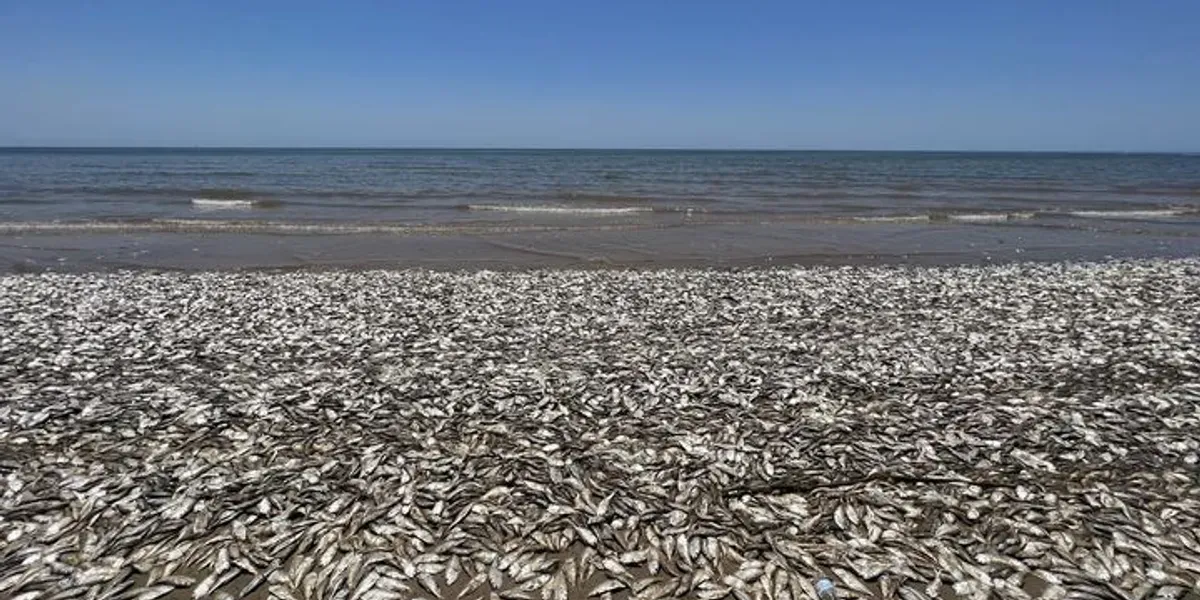
That extra heat is already transforming marine ecosystems. Marine heatwaves, which are periods of unusually warm ocean temperatures, have more than doubled in frequency since the 1980s and are becoming both longer and more intense. These events can cause mass mortality in corals, kelp, seagrasses, fish and other marine life. They can also push species toward cooler waters, disrupting food webs and reshaping entire ecosystems.
Ocean warming also affects currents and weather. The Atlantic Meridional Overturning Circulation (AMOC) depends partly on differences in seawater temperature and salinity. As the climate warms, melting ice adds freshwater to the ocean, which can reduce the density of surface water and weaken, and potentially shut down, this critical circulation system. To learn more, read our AMOC blog.
Warmer oceans also fuel extreme weather. Hurricanes and other tropical cyclones draw energy from warm ocean water, while warmer water increases evaporation and adds moisture to the atmosphere, which leads to heavier, more intense rainfall. Ocean warming also causes seawater to expand, contributing to sea-level rise and worsening coastal flooding and storm surge.
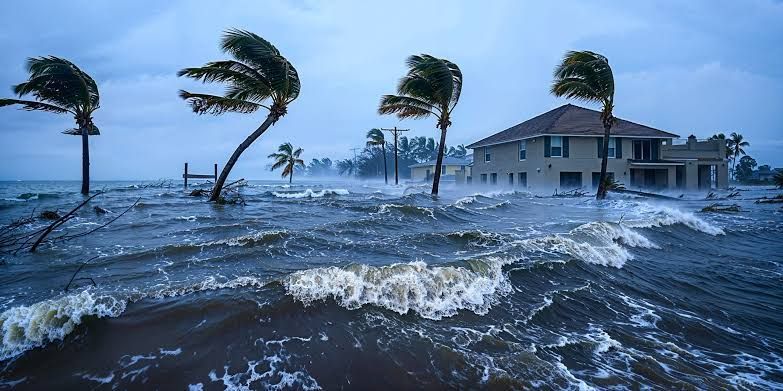
This isn’t where the problems stop. Changes in marine ecosystems and fish populations threaten the global economy and food security, and especially communities whose livelihoods depend on the ocean. Even though we may not see the ocean here in Illinois, we are still deeply impacted by it. Oceans affect global climate patterns, including the ones we see here in the Midwest. Things like severe stroms, heavy rainfall, and an unprecedented increase in tornadoes are all fueled by a warmer ocean.
Our average surface sea level reaching a new high is more than a broken record. It is yet another blaring warning that our planet needs action, and it needs it now. Protecting our oceans means addressing the root cause of warming by rapidly reducing greenhouse gas emissions, while giving ecosystems and communities the tools they need to adapt.
Sources:
RECENT ARTICLES