Field Notes Blog
Welcome to our Field Notes Blog! Here you will find local environmental and natural science news for our northern Illinois region and beyond.
Field Notes Blog
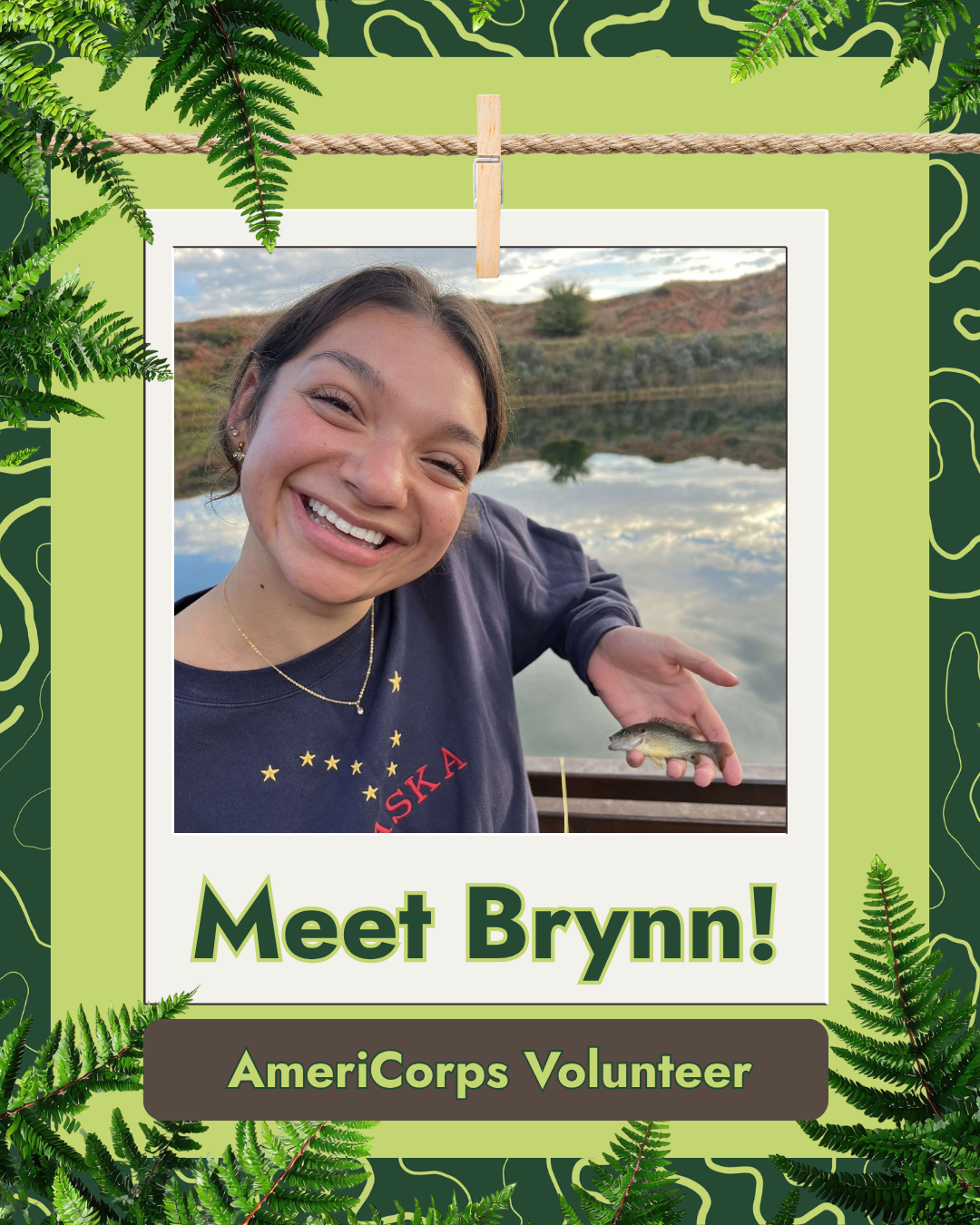
Introducing Brynn!
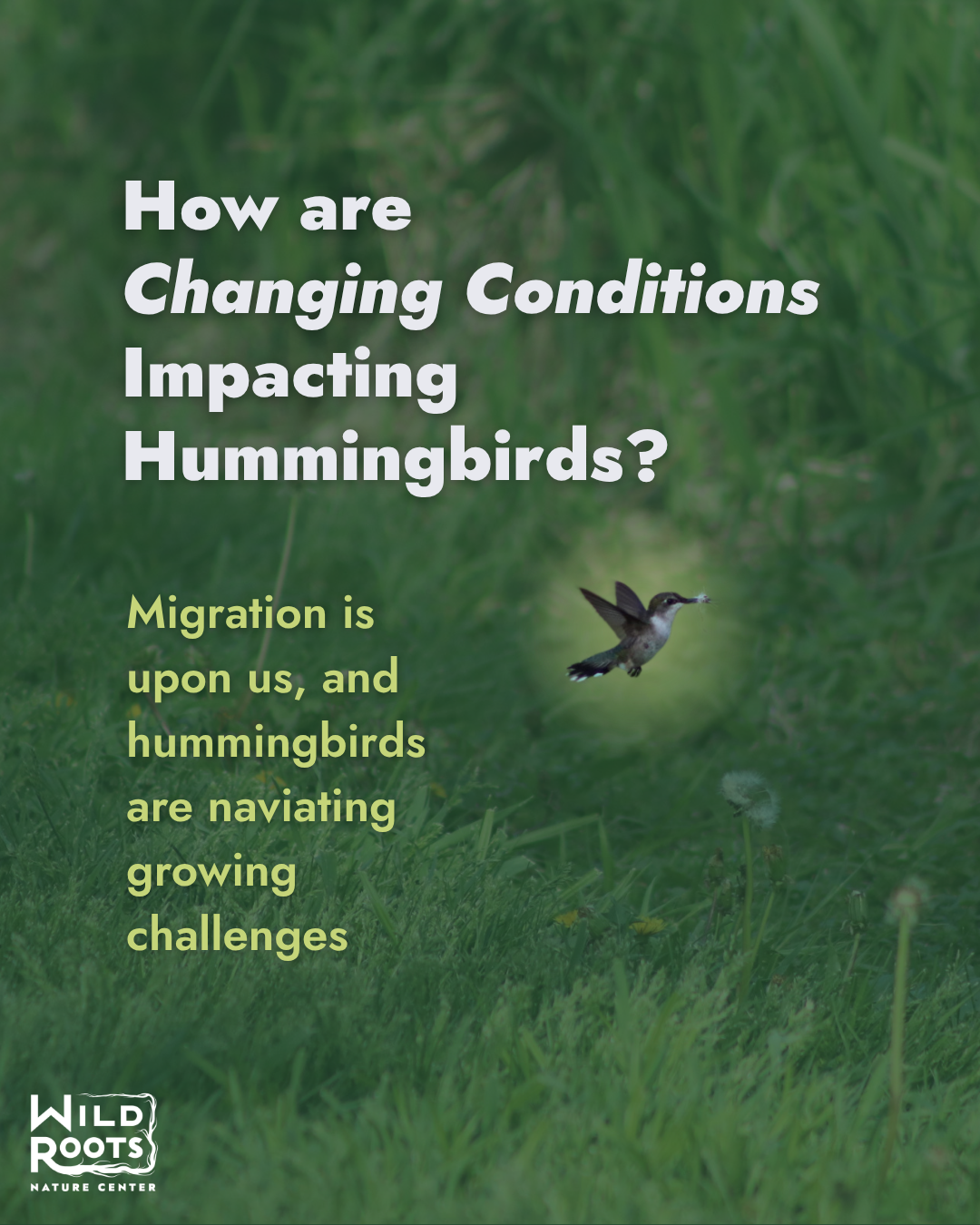
With fall’s cool air upon us, and the shorter days following the Autumn equinox on September 22nd, migration has been set into motion. Migration is the cyclical phenomenon where animals move over large distances, driven by environmental changes such as length of day and temperature. Meet the Ruby-throated Hummingbird Ruby-throated hummingbirds are our resident hummingbird species in the Great Lakes region, and throughout the Eastern United States. They are metallic green, with males sporting the namesake bright ruby throat. Adults measure only 3 to 4 inches long, and weigh 2-6 grams - that is less than a quarter! Ruby-throated hummingbirds breed in the forests and fields of eastern North America during spring and summer, and migrate south to tropical forests and scrublands to spend the fall and winter. Hummingbirds rely on nectar from flowering plants as their primary food source, and this develops a close relationship between the animal and the plant. Hovering, or the ultra-fast flying they are capable of, is an essential feeding behavior that is very energetically expensive to maintain, which is why it is so important that hummingbirds have adequate food sources to fuel themselves. Hummingbirds need to eat 5-6 times per hour to fuel their fast metabolism. Threats to Hummingbirds Flower Blooming Periods Imagine that you show up to your favorite restaurant just as they close the kitchen - even though the internet said they would be open and you have been there dozens of times before at that exact time - this is how a hummingbird feels. Plants are blooming at earlier times each year because of changing climate trends, causing concern that hummingbird arrival may become mismatched with the blooms they depend on so heavily. This is especially pronounced at higher latitudes, or closer to the poles, and could even create limits to migration and contract ranges if nesting success is impacted. This matters because hummingbirds also have important jobs in ecosystems. Because hummingbirds get the other non-nectar portion of their diet from insects, they play a role in balancing pest populations. Humans also depend on pollinators, like hummingbirds, to pollinate our food crops! Hummingbird Adaptations To combat the impacts of a changing world, some animals move physical locations to go somewhere else more suitable. Higher altitudes typically have lower temperatures, so moving up in elevation can counteract localized warming, but this is not a catch-all solution. Scientists with the National Science Foundation reported that hummingbirds that relocated to high altitudes had a significant decrease in metabolic rate, suggesting that low air pressure and oxygen availability reduces hovering performance in Anna’s hummingbirds, and even pushes them into nightly hibernation. Facing these physiological challenges only becomes more costly for low-elevation hummingbirds that are driven to find new food sources. Another study from The Auk assessed the migration of ruby-throated hummingbirds and found that the birds are moving roughly 2 weeks earlier than historical records show. The scientists found correlation between earlier arrivals to breeding grounds, and warmer winter and spring temperatures in North America, which is a trend that experts expect to continue. If they continue to leave early, they will arrive at different times than the flowers they feed on. How can I help hummingbirds? Scientists are still learning how hummingbirds are adapting, but there are lots of ways you can support these important pollinators amidst the challenges they are facing. The best place to start is your backyard. You can… Record data for community science projects like BudBurst to share flowering plant data with scientists Plant native flowering plants, like those found in this guide from the US Department of Agriculture suggests Supplement nectar resources in your backyard with birdfeeders that are monitored/cleaned regularly Next time you see a hummingbird, consider the distance it’s travelled for you to see it, and the amazing life that supported that journey! Sources Courter, Jason R., et al. “Assessing migration of ruby-throated hummingbirds ( Archilochus colubris ) at broad spatial and temporal scales.” The Auk , vol. 130, no. 1, Jan. 2013, pp. 107–117, https://doi.org/10.1525/auk.2012.12058. McKinney, Amy M., et al. “Asynchronous changes in phenology of migrating broad‐tailed hummingbirds and their early‐season nectar resources.” Ecology , vol. 93, no. 9, Sept. 2012, pp. 1987–1993, https://doi.org/10.1890/12-0255.1. Spence, Austin R., et al. “Anna’s hummingbird ( Calypte anna ) physiological response to novel thermal and hypoxic conditions at high elevations.” Journal of Experimental Biology , vol. 225, no. 10, 15 May 2022, https://doi.org/10.1242/jeb.243294. Austin R. Spence, Hannah LeWinter, Morgan W. Tingley; Anna's hummingbird (Calypte anna) physiological response to novel thermal and hypoxic conditions at high elevations. J Exp Biol 15 May 2022; 225 (10): jeb243294. McKinney, A.M., CaraDonna, P.J., Inouye, D.W., Barr, B., Bertelsen, C.D. and Waser, N.M. (2012), Asynchronous changes in phenology of migrating Broad-tailed Hummingbirds and their early-season nectar resources. Ecology, 93: 1987-1993. Courter, J.R., Johnson, R.J., Bridges, W.C., Hubbard, K.G., " Assessing Migration of Ruby-Throated Hummingbirds (Archilochus colubris) at Broad Spatial and Temporal Scales ," The Auk, 130(1), 107-117, (1 January 2013) University of Maine Ruby-Throated Hummingbird Fact Sheet https://www.allaboutbirds.org/guide/Ruby-throated_Hummingbird/lifehistory This effect is pronounced at lower latitiudes (below 41 degrees?). Warmer winter and spring temperatures in North American breeding grounds were correlated with earlier arrivals at lower latitudes in our recent period. USDA Eastern US Hummingbird Flyer
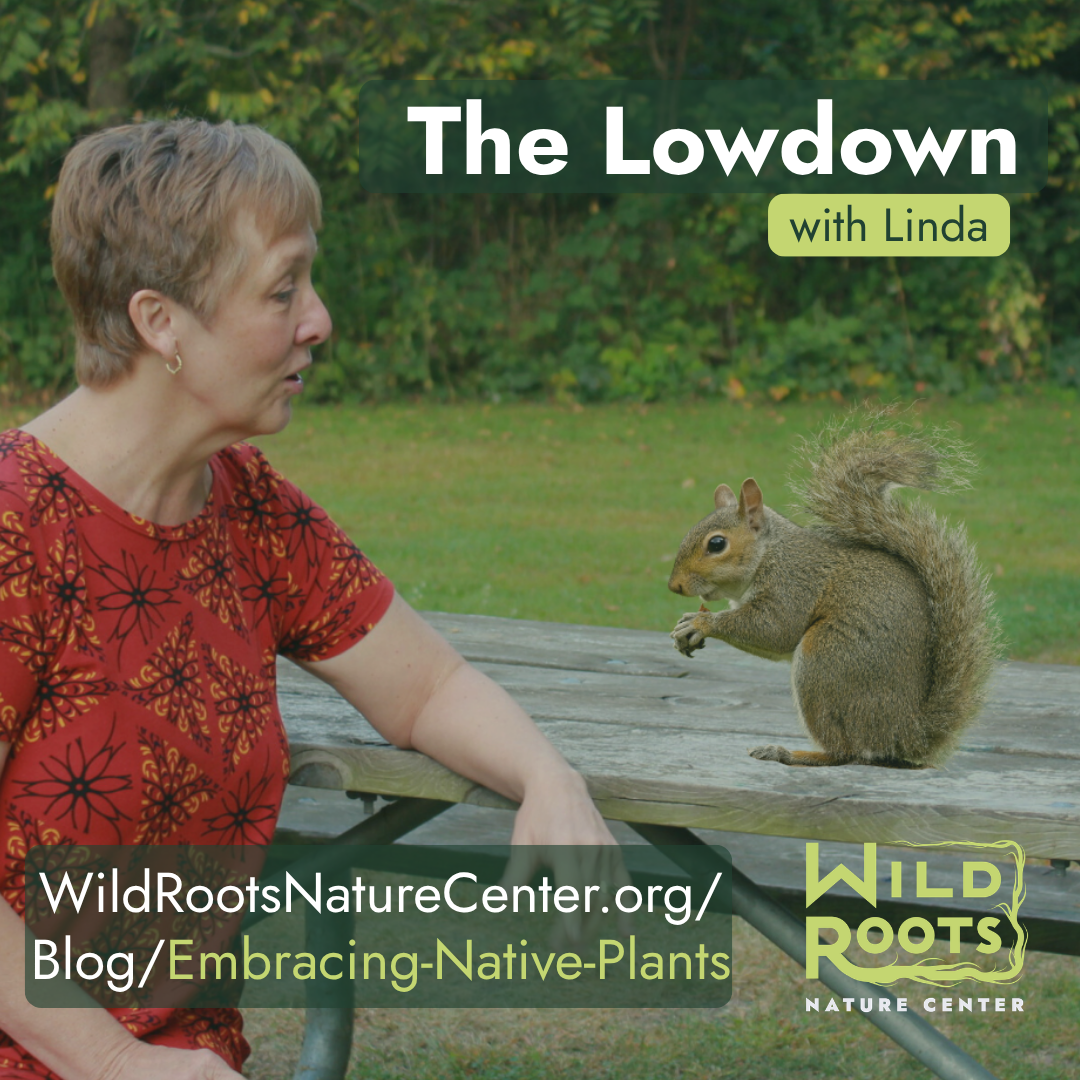
Embracing Native Plants
In August, global ocean surface temperatures reached their highest temperature ever recorded. On Saturday, August 22, the average sea surface temperature reached 21.1°C (70°F) , according to the European Union’s Copernicus Climate Change Service, surpassing the previous record of 21.09°C that was set in March of 2024. The Copernicus record extends back to 1979, and the normal baseline for the global average sea surface temperature is traditionally around 16°C to 20°C (60°F to 68°F).
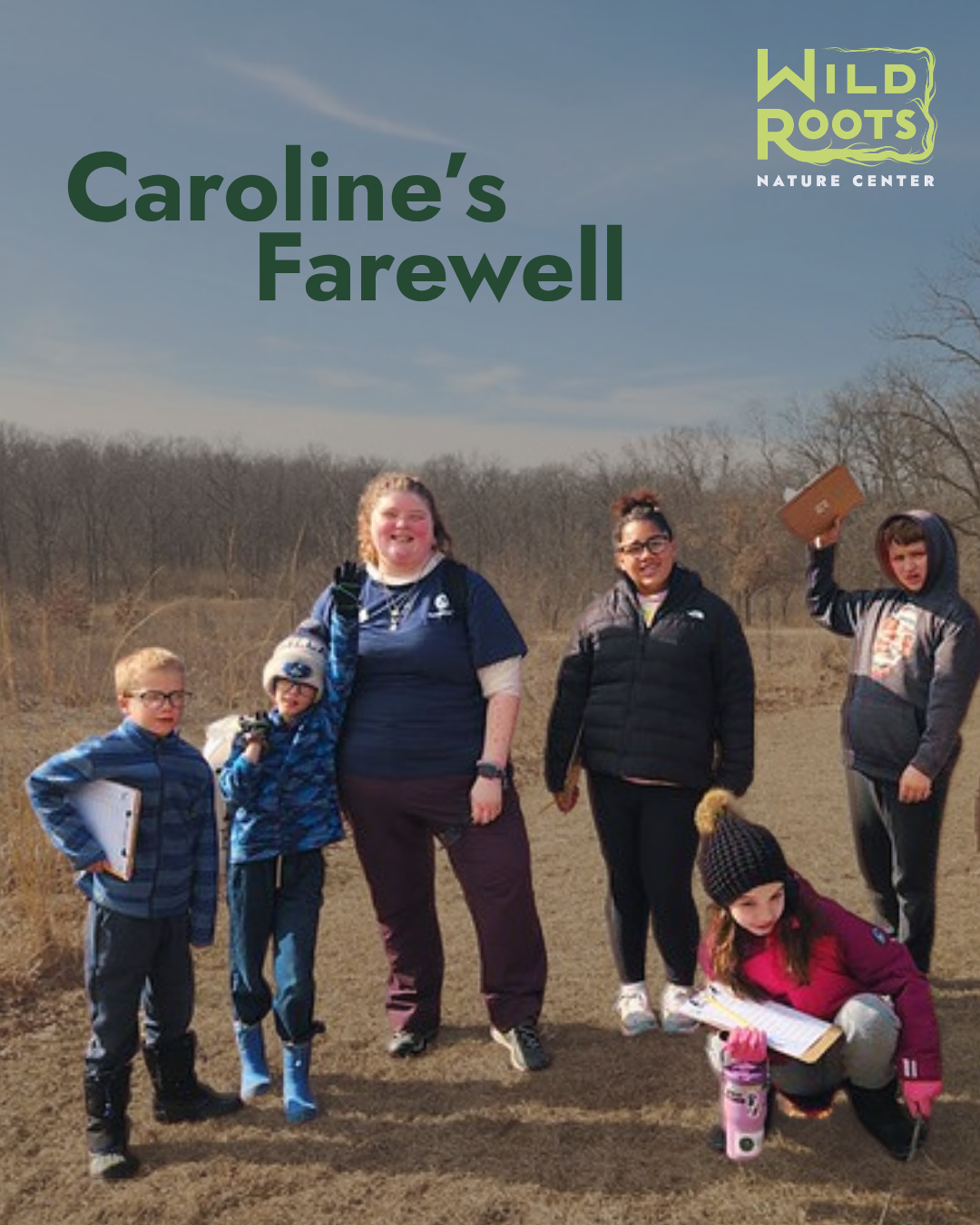
It is hard to believe that it has already been a year since I came to Rockford and started at Wild Roots Nature Center. It’s even harder to believe that my time as an AmeriCorps member here is ending.
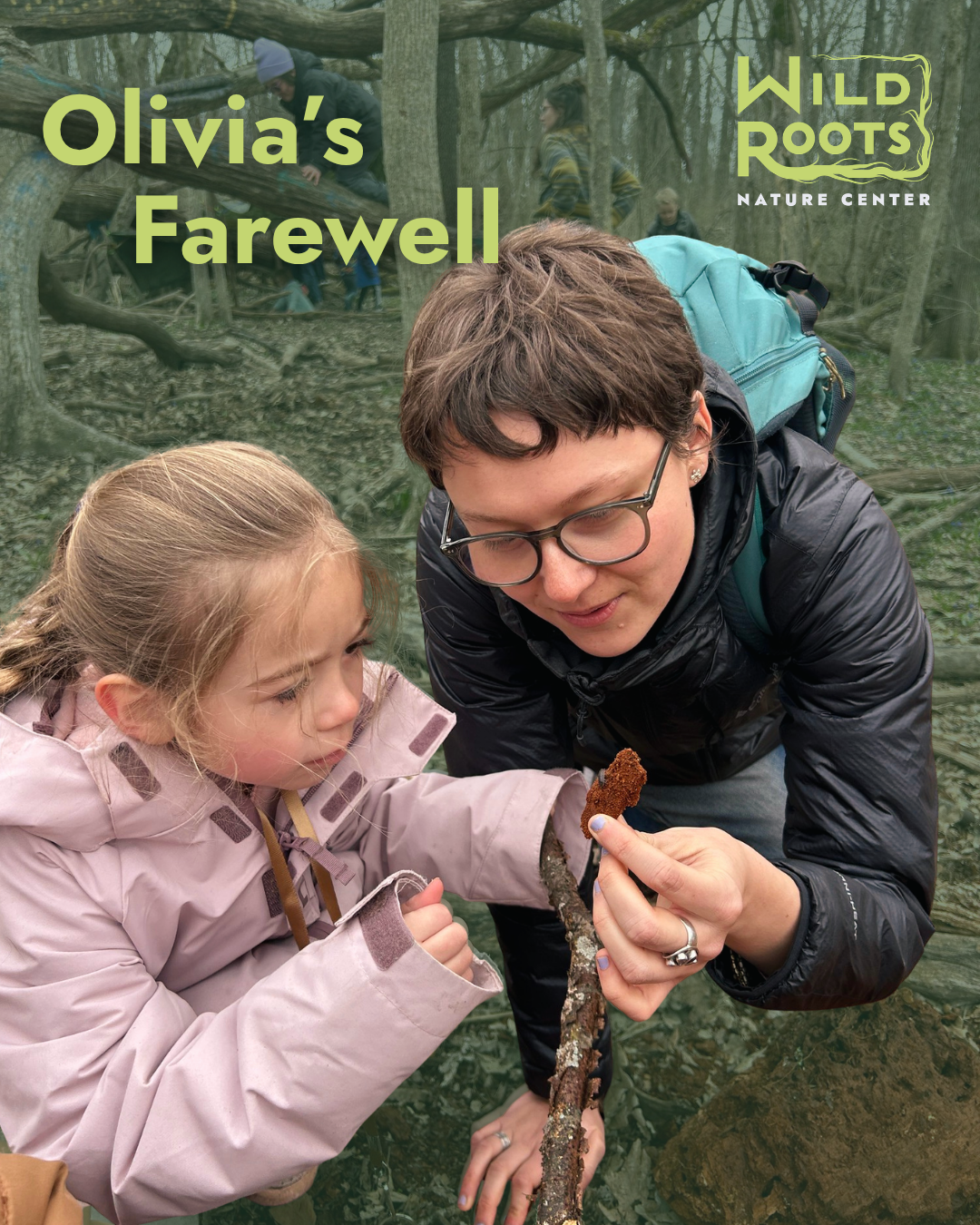
As the goldenrod has begun to bloom over the past week, the prairie has started to look closer to how it did when I first started my AmeriCorps term here last fall. I have loved spending so much time on this land for the past year, a year which has been hallmarked by the breathtaking colors, sounds, and smells that the forest and prairie have taken on as the seasons turned. Being a witness to this nearly everyday has changed me for the better, and I will forever be grateful to have gotten to know this place and its people.
Remember how excited you were when you got to go on a school field trip? Whether it was to a zoo, a play, or a forest preserve, you were excited! A day out of school; something new to look at; and the chance to sit by your best friend on the bus.
The Peseids, Light Pollution, and How Viewing May be Affected.
Over the last week, much of the Midwest experienced the worst air quality it has seen all year, and in some states, in recorded history. Smoke from wildfires far north in Canada and Northern Minnesota blanketed the great lake states, leaving the air thick, dangerous, and smelling like a campfire. Air Quality Index’s (AQI’s) soared over 900 in parts of Minnesota . At times, health experts estimated that breathing the smoky air was comparable to smoking half a pack of cigarettes over the course of a day. How can a fire so far away affect the air we breathe here in Rockford?
Corn does what?
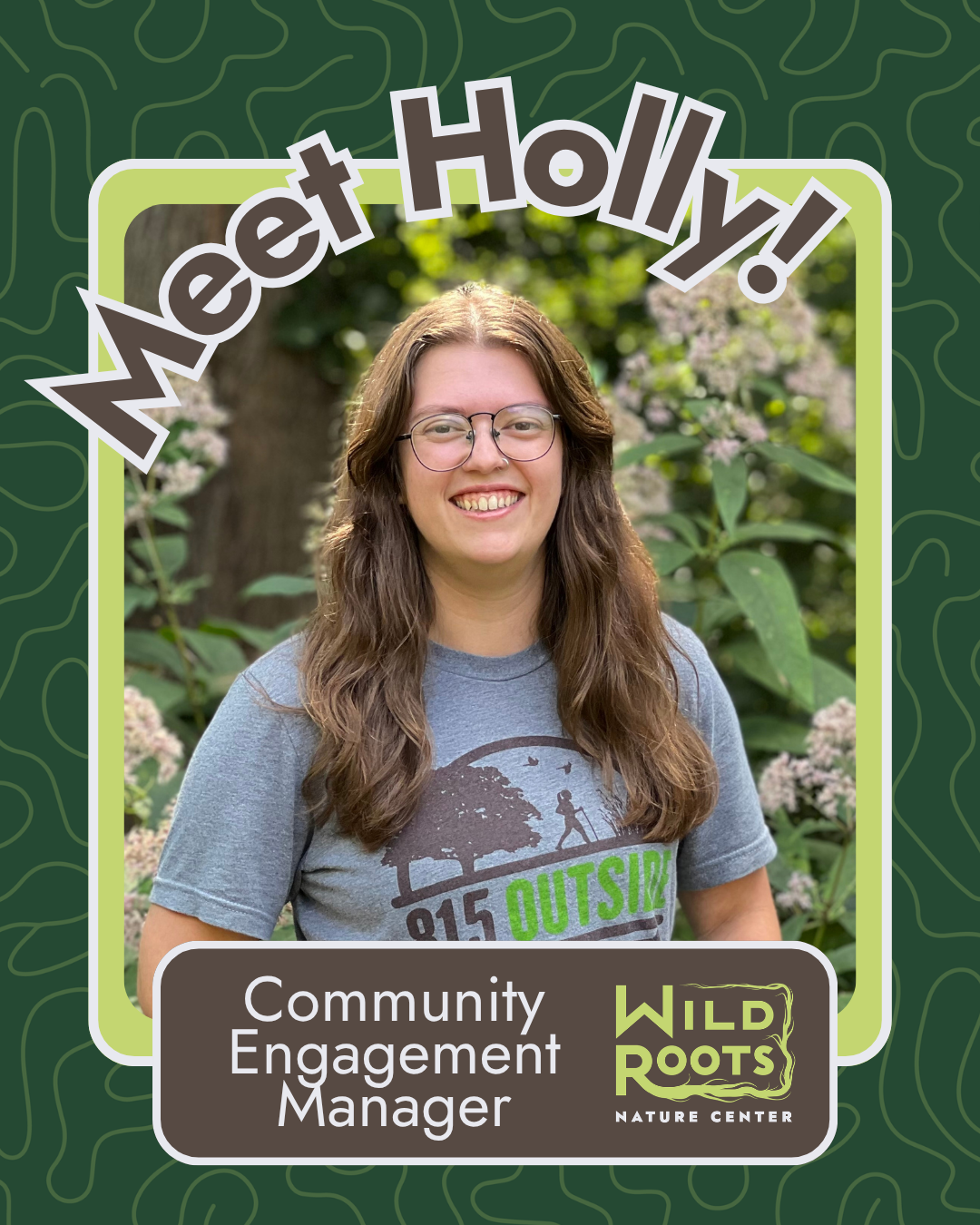
While many of you may already know me, allow me to introduce myself! I’m Holly and I’m the new community engagement manager here at Wild Roots Nature Center . While I am new to this role, I am not new to Wild Roots. I got my start at Wild Roots way back in 2019 as an environmental education AmeriCorps Volunteer. During my time, I was able to help connect people to nature and foster stewardship of our lands at all age levels. Even when COVID-19 hit, that didn’t stop us from planning for the future and coming up with ideas for how to engage people in our natural world. From there, I completed two more terms of service with AmeriCorps, one in Florida and one back here at Wild Roots with 815 Outside. (You’ll start to notice a pattern here.) As I finished my undergraduate degree in environmental studies and my master’s degree in higher education and student affairs, I remained a volunteer with Wild Roots, joining in on the fun of Science Saturdays, signature events like Luminaria, and canoe convoys. I simply never left this community. My most recent role as assistant director of campus sustainability at Northern Illinois University has prepared me for my return to Wild Roots. I’ve learned so much over the years about connecting with people of all different backgrounds, bridging the gap between nature and community. I look forward to continuing these conversations as the community engagement manager at Wild Roots Nature Center! Other fun facts: When I’m not in nature, you can find me among a circle of friends, crafting and laughing, making stained glass art, and immersing myself in a good book or tv show. I’m always happy to be a listening ear and I am fiercely loyal. Plus, I’ll never say no to a new adventure!

If there’s one thing you should know about me, it’s that I genuinely love people, organized chaos and finding joy in the little things. So, when the opportunity came to join the team at Wild Roots, it felt like everything came together in the best way. Professionally, I’ve spent more years than I’d like to admit in finance, bookkeeping and office management. I actually enjoy spreadsheets, balancing budgets, and making sure all of the behind-the-scenes pieces fit together (yes…I’m one of those people!). But my energetic and bubbly personality doesn’t always fit the type for an accounting aficionado. Before building my career in finance, I earned a degree in Elementary Education. Looking back, it makes perfect sense because teaching and finance have one thing in common – you need patience, flexibility, quick on your feet, and a good sense of humor! I absolutely love the fact that Wild Roots is so committed to outdoor education, and it is one of the biggest reasons I wanted to root myself here as well. Perfect blend of both of my worlds. Outside of work, I’m a proud mom to three wonderful (and very energetic!) boys. They keep me on my toes, whether we’re at a ball field, exploring a new park, or simply enjoying time together. Being their mom has taught me that the best adventures don’t have to be big – they’re usually found in the simple moments, especially when you’re outside exploring together! That’s one of the reasons Wild Roots already feels like the perfect place. I believe nature has an incredible way of bringing people together, slowing us down, and reminding us to appreciate the world around us. Knowing that I get to support an organization that helps families, students and our community experience that every day is something I am truly excited about. I’m incredibly grateful to be here and can’t wait to be part of everything that makes this place so special. Here’s to new beginnings, new connections, and plenty of time spent enjoying the beauty of nature together!