FIELD NOTES BLOG
The Science of Rewilding: Severson Dells Joins the Global Rewilding Alliance
New Title
At Severson Dells Nature Center, we have always been deeply committed to nature conservation. From our educational programs to our Conservation Crew restoration days, our mission is to connect people to nature. Now, we are proud to announce a new step in that journey: Severson Dells Nature Center has officially joined the Global Rewilding Alliance.
But what exactly is "rewilding," and how does it align with our plans for Elliot Golf Course?
What Is Rewilding?
Rewilding is a conservation strategy aimed at restoring natural ecosystems to their wild states. The science behind rewilding focuses on using holistic solutions to remove barriers and reintroduce native species, restoring ecological processes, and allowing nature to reclaim its course. Rewilding supports the mass recovery of ecosystems and the life-supporting functions they provide.
Rewilding vs. Restoration
Rewilding, broadly defined as facilitating the development of self-sustaining, self-organizing and resilient ecosystems shaped by natural processes, differs from classical restoration in a few ways:
- rewilding aims for minimal ongoing management in the long term;
- it focuses on present and future ecosystem functioning and resilience, allowing the ecosystem to continually adapt and self-organize in response to environmental change
The Science Behind Rewilding
The core scientific principle behind rewilding is the restoration of ecosystems by reintroducing diverse native species and enabling natural processes, such as plant succession, and water cycles, to function as they once did. By doing so, rewilding addresses the biodiversity crisis while also offering a nature-based solution to climate change.
Rewilding and Climate Change
Beyond biodiversity, rewilding offers climate benefits. Restored ecosystems—especially forests, wetlands, and grasslands—act as carbon sinks, absorbing significant amounts of carbon dioxide from the atmosphere. Furthermore, resilient ecosystems are better equipped to withstand the impacts of climate change, such as extreme weather events, droughts, and floods. Rewilding can also restore degraded landscapes that have lost their ecological functionality, turning barren lands into thriving ecosystems that provide clean air, water, and habitat for countless species, including humans.
Severson Dells Nature Center and the Global Rewilding Alliance
By joining the Global Rewilding Alliance, Severson Dells Nature Center is connecting with a global network of organizations committed to rewilding projects. This partnership allows us to collaborate on best practices, share scientific data, and contribute to global initiatives that are restoring ecosystems worldwide.
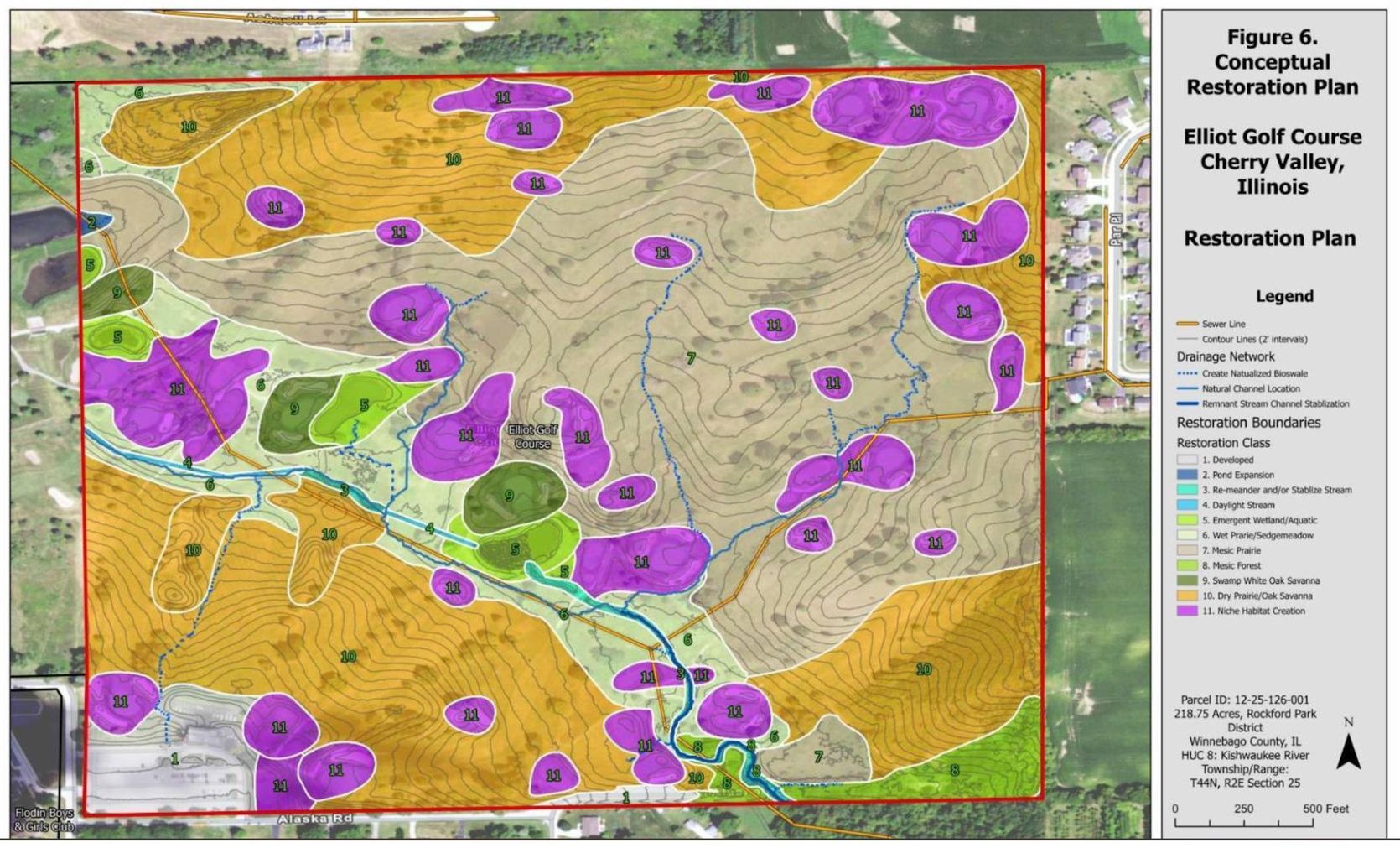
For us, this step is more than a symbolic gesture; it represents a concrete commitment to rewilding efforts as we restore the Elliot property. Through the rewilding of native prairie, oak savanna and wetland ecosystems, the removal of invasive species, and the promotion of biodiversity, we aim to ensure that the landscapes at Elliot property thrive in perpetuity.
Our Rewilding Plans
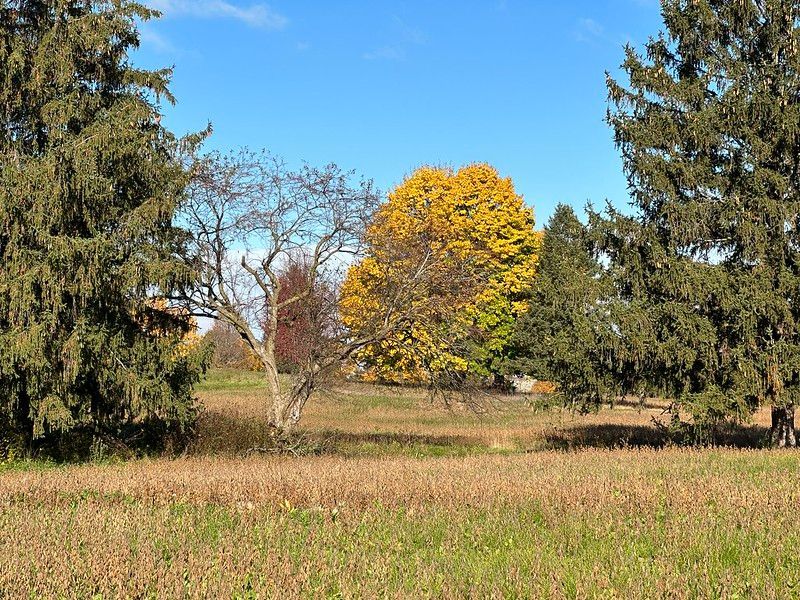
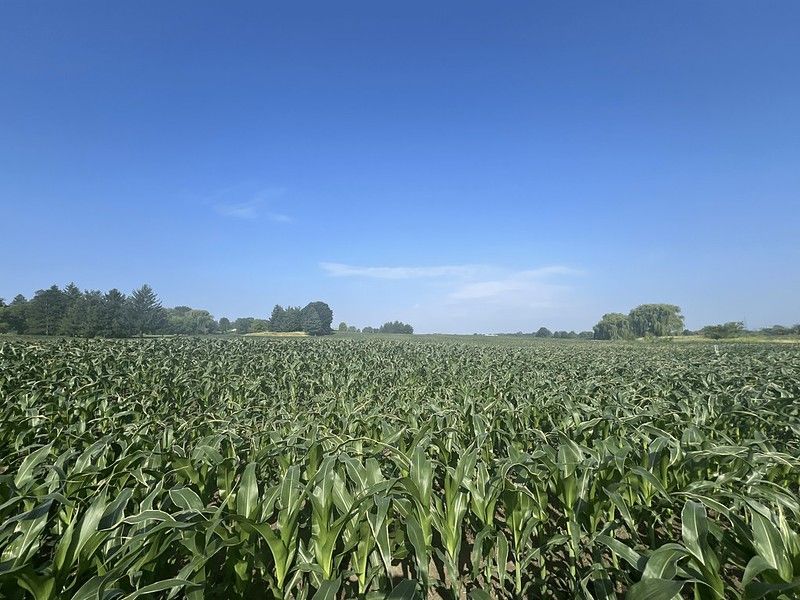
Severson Dells, rewilding plans are already underway. Before we purchased Elliot Golf Course from the Rockford Park District, we worked with them to establish an agriculture lease on the property. The use of conventional agriculture on the property is the most efficient way to remove the turf grass and flush the weed seed bank that has accumulated over time. The process will allow us to begin seeding the native prairie in clean soil and reduce the need to fight turf grass and invasive weeds long-term.
Joining the Global Rewilding Alliance will help us learn from other organizations' efforts and contribute our lessons learned as we go through the process. Some exciting projects include:
- Native Prairies: By restoring parts of the property into wet (mesic) prairie and dry prairie, we are able to provide high quality habitat for pollinators and ground nesting birds. We are especially excited to restore the old golf course sand traps into sandhill prairie patches.
- Restoring Oak Savannas: Once abundant across the Midwest, oak savannas are now one of the most endangered ecosystems in North America. We are working to restore these habitats, benefiting countless species, from migratory birds to native wildflowers.
- Waterway Rewilding: Our work in riparian restoration will daylight the creek to improve water quality and reintroduce native plant species along riverbanks, benefiting aquatic life, improving flood resilience and regional stormwater management. We are looking forward to seeing the diversity of waterfowl this restoration will support. Sandhill cranes have already been observed on the property and we are hopeful that they will be more regular visitors and in greater numbers. If we’re lucky, maybe Whooping cranes will follow their lead.
What Rewilding Means for Our Community
Our rewilding efforts aren’t just about restoring the landscape—they’re also about reconnecting our community with nature. We believe that by helping ecosystems recover, we are also helping people rediscover the joy and wonder of wild places. Severson Dells staff look forward to developing education programs and volunteer opportunities specific to the work happening at Elliot to involve the public in rewilding, fostering a sense of ownership and stewardship.
We also understand that rewilding involves a shift in thinking. It’s about allowing nature to take the lead, trusting the resilience of ecosystems to heal when given the opportunity. It requires patience, long-term vision, and a willingness to embrace a level of uncertainty, as the outcomes of rewilding are not always immediately apparent but profoundly transformative over time.
Looking Ahead
Joining the Global Rewilding Alliance is a great opportunity for Severson Dells Nature Center to be a part of international conservation efforts and a professional learning community, so we can be utilizing current best practices. As we look ahead, we are excited to deepen our involvement in global rewilding initiatives while making a local impact. Together with our community, we are committed to creating a future where nature thrives.
We invite you to join us in this journey. Whether through participating in our restoration efforts when we get started, attending educational programs, or donating to support the restoration, you can be a part of the rewilding movement here in our corner of the world.
Rewilding isn’t just about saving nature—it’s about saving ourselves, by restoring the wild, resilient ecosystems that make life on Earth possible. Together with the Global Rewilding Alliance and a broad range of supporters, we will make this vision a reality.

RECENT ARTICLES