
FIELD NOTES BLOG
2024 In The Sky
The New Year brings new opportunities to view astronomical events. From once in a lifetime comets, to dazzling meteor showers, and a total solar eclipse, you will not want to miss these astronomical events of 2024. Whether you're a seasoned stargazer, or you’re hoping to view your very first meteor shower, here is a glimpse of what you can look forward to viewing this year:
Meteor Showers/Comets:
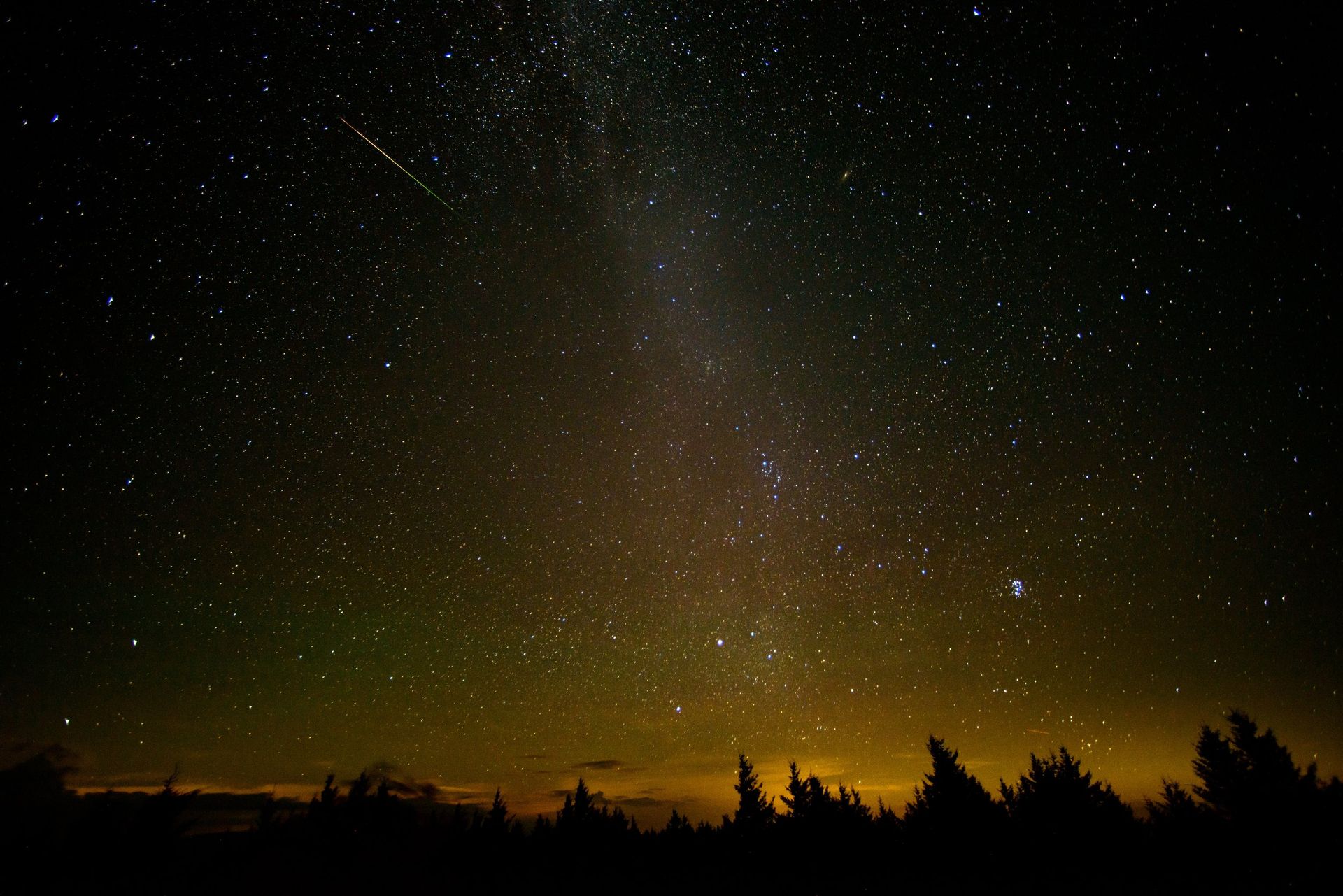
photo of the persieds shot by nasa on flickr
Jan. 3-4: Quadrantid meteor shower
Quadrantids are known for their short, intense peak, dazzling the skis with up to 40 meteors per hour at its peak. Meteors will radiate from the constellation Bootes, but can appear anywhere in the sky. They are best seen in the Northern Hemisphere.
April 12, 2024: 'Devil comet' crosses the sky
While the total solar eclipse will no doubt be in the the headlines this week of April, a second, even rarer event will occur at the same time. A large comet commonly called the "devil comet" will make its closest pass by Earth in 70 years. The comet, 12P/Pons-Brooks, got its nickname because of two ice and gas formations that mimic the shape of horns. The last time 12P/Pons-Brooks was visible to us was in 1954. To increase the chances of seeing the devil comet, gaze on the part of the sky where Jupiter appears.
April 21-22: Lyrid meteor shower
The Lyrids are usually a moderate meteor shower, producing up to 20 meteors per hour at it’s peak, best viewed from the Northern Hemisphere. Meteors will radiate from the constellation Lyra, but can appear anywhere in the sky. The full moon will block out all but the brightest meteors this year.
May 6-7: Eta Aquariid meteor shower
The Eta Aquariids are best seen from the Southern Hemisphere and can be prolific, producing fast and bright meteors. The meteors will peak at 60 meteors per hour in the Southern Hemisphere, and up to 30 miles per hour in the Northern Hemisphere. The nearly new moon means dark skies for what should be an excellent show this year. Best viewing will be from a dark location after midnight. Meteors will radiate from the constellation Aquarius, but can appear anywhere in the sky
July 30-31: Delta Aquariid meteor shower
The Delta Aquariids can be seen best from the Southern Hemisphere, peaking at 20 meteors per hour. Their fast, faint meteors radiate from the constellation Aquarius.
Aug. 12-13: Perseid meteor shower
My personal favorite meteor shower, the Perseids are an annual shower that produces up to 100 meteors per hour at its peak. They are known for their bright meteors and fireballs, which are larger explosions of light and color that can persist longer than an average meteor streak. This shower can be seen in the Northern Hemisphere and best viewing will be from a dark location after midnight. Meteors will radiate from the constellation Perseus, but can appear anywhere in the sky.
Oct. 7: Draconids meteor shower
The Draconids are a minor meteor shower producing about 10 meteors per hour that can be seen in the Northern Hemisphere. The Draconids are an unusual shower in that the best viewing is in the early evening instead of early morning like most other showers. Meteors will radiate from the constellation Draco, but can appear anywhere in the sky.
Oct. 12-13: A newly discovered comet makes its closest approach to Earth
First detected by Chinese astronomers in January 2023, Comet Tsuchinshan-ATLAS comes within 44 million miles of Earth just a couple weeks after a close encounter with the sun. If the comet survives it’s proximity to the sun, scientists expect an impressive sight .
Oct. 21-22: Orionid meteor shower
The Orionids are best viewed from the Northern Hemisphere and are known for their fast-moving meteors associated with Halley's Comet. The shower will peak at 20 meteors per hour. Best viewing will be from a dark location after midnight. Meteors will radiate from the constellation Orion, but can appear anywhere in the sky
Nov. 4-5: Taurid meteor shower
The Taurids are known for their long duration and relatively low meteor rate, producing 5-10 meteors per hour at its peak. They are visible in the Southern and Northern hemispheres. Best viewing will be just after midnight from a dark location far away from city lights. Meteors will radiate from the constellation Taurus, but can appear anywhere in the sky.
Nov. 17-18: Leonid meteor shower
The Leonids are unique in that it has a cyclonic peak about every 33 years where hundreds of meteors per hour can be seen, last occurring in 2001. During an average year, the Leonids produce up to 15 meteors per hour at its peak. Best viewing will be from a dark location after midnight. Meteors will radiate from the constellation Leo, but can appear anywhere in the sky.
Dec. 13-14: Geminid meteor shower
The Geminids are one of the most reliable and active meteor showers of the year, producing up to 120 meteors an hour. The Geminid meteor shower is most prominent in the Northern Hemisphere, but can be seen in the Southern Hemisphere. Best viewing will be from a dark location after midnight. Meteors will radiate from the constellation Gemini, but can appear anywhere in the sky.
Dec. 21-22: Ursid meteor shower
The Ursids typically produce 5-10 meteors an hour originating from the constellation Ursa Minor (the Little Dipper). The Ursid meteor shower is visible in the Northern Hemisphere, and best viewing is after midnight.
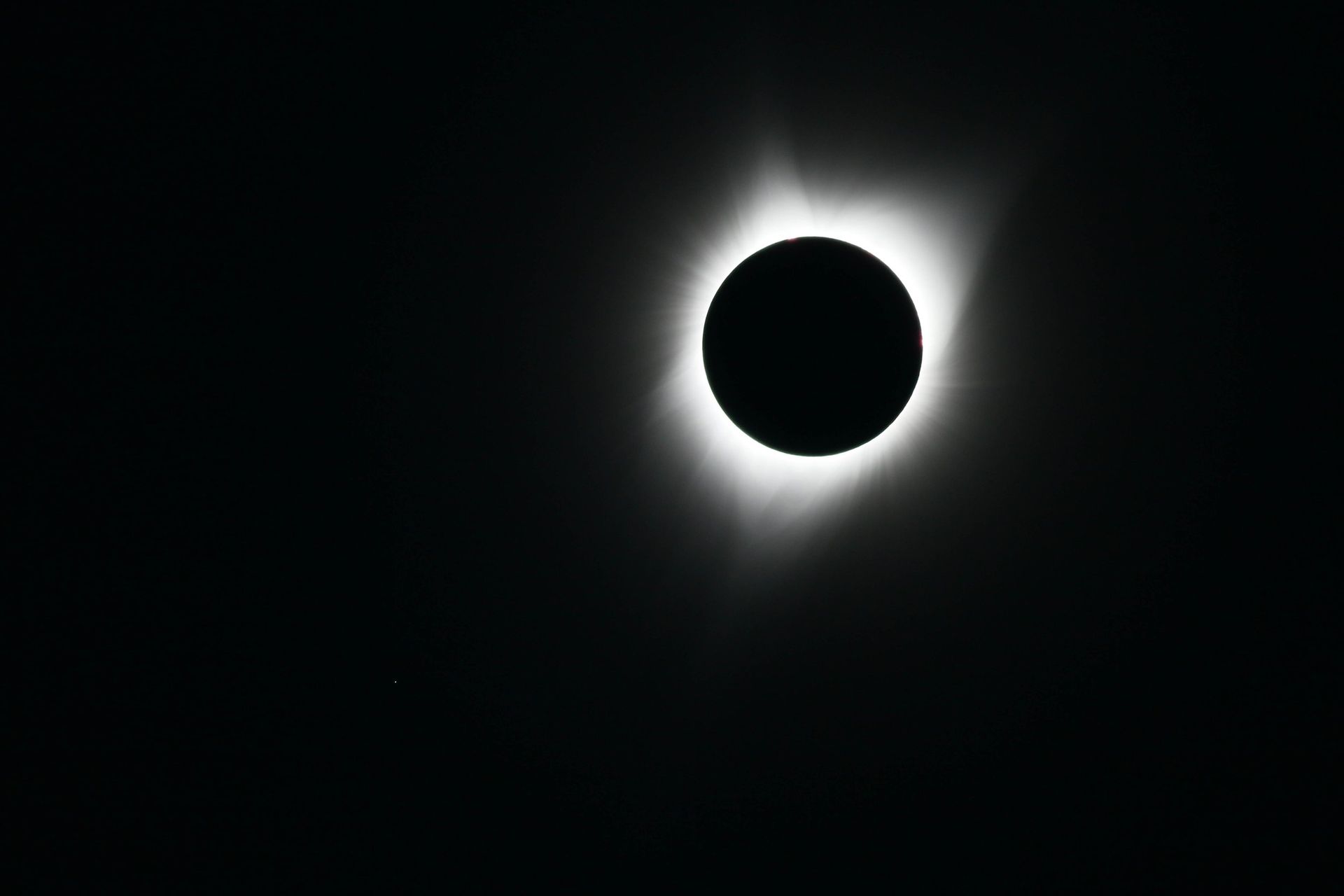
photo of the 2017 total solar eclipse shot by skip russel on flickr
Eclipses:
March 25: Penumbral lunar eclipse
A penumbral lunar eclipse, or partial eclipse, occurs when the Moon passes through the Earth's partial shadow, or penumbra. During this type of eclipse the Moon will darken slightly but not completely. This eclipse will be visible from the Americas, western Europe and western Africa.
April 8: Total solar eclipse
Arguably the most anticipated meteorological event of the year is the total solar eclipse happening this April. The last total solar eclipse visible in the continental United States occurred in 2017 and the next one will not take place until 2045. The path of totality will begin in the Pacific Ocean and move across parts of Mexico and the eastern United States and Nova Scotia. The total eclipse will be visible in parts of Texas, Arkansas, Missouri, Illinois, Indiana, Kentucky, Ohio, Pennsylvania, New York, Vermont, New Hampshire, and Maine.
Sept. 17: Penumbral lunar eclipse
This lunar eclipse will be visible from the Americas, Europe and Africa.
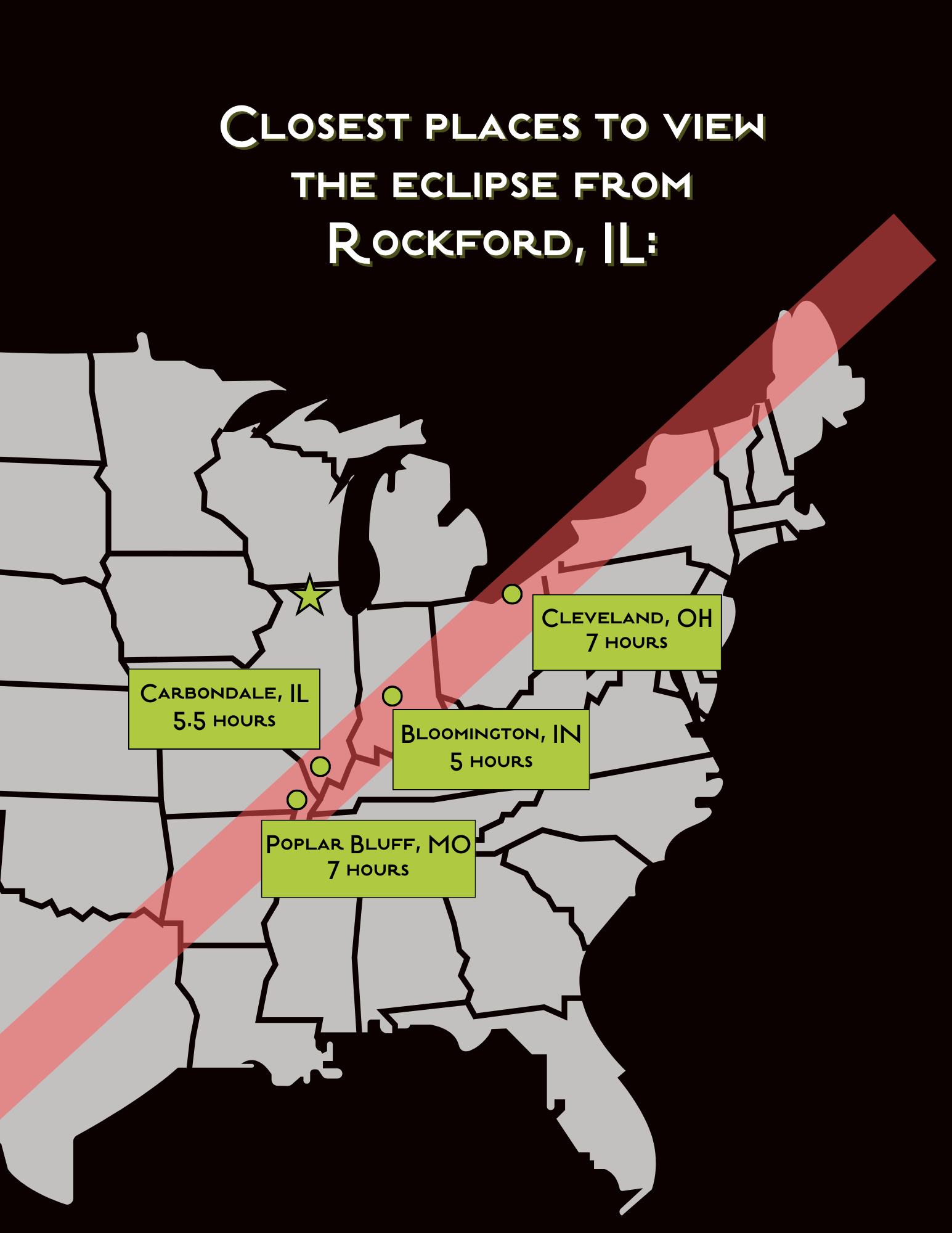
where to view the total solar eclipse on april 8th in the united states

RECENT ARTICLES