FIELD NOTES BLOG

Third Places: Bringing Back Social Connection
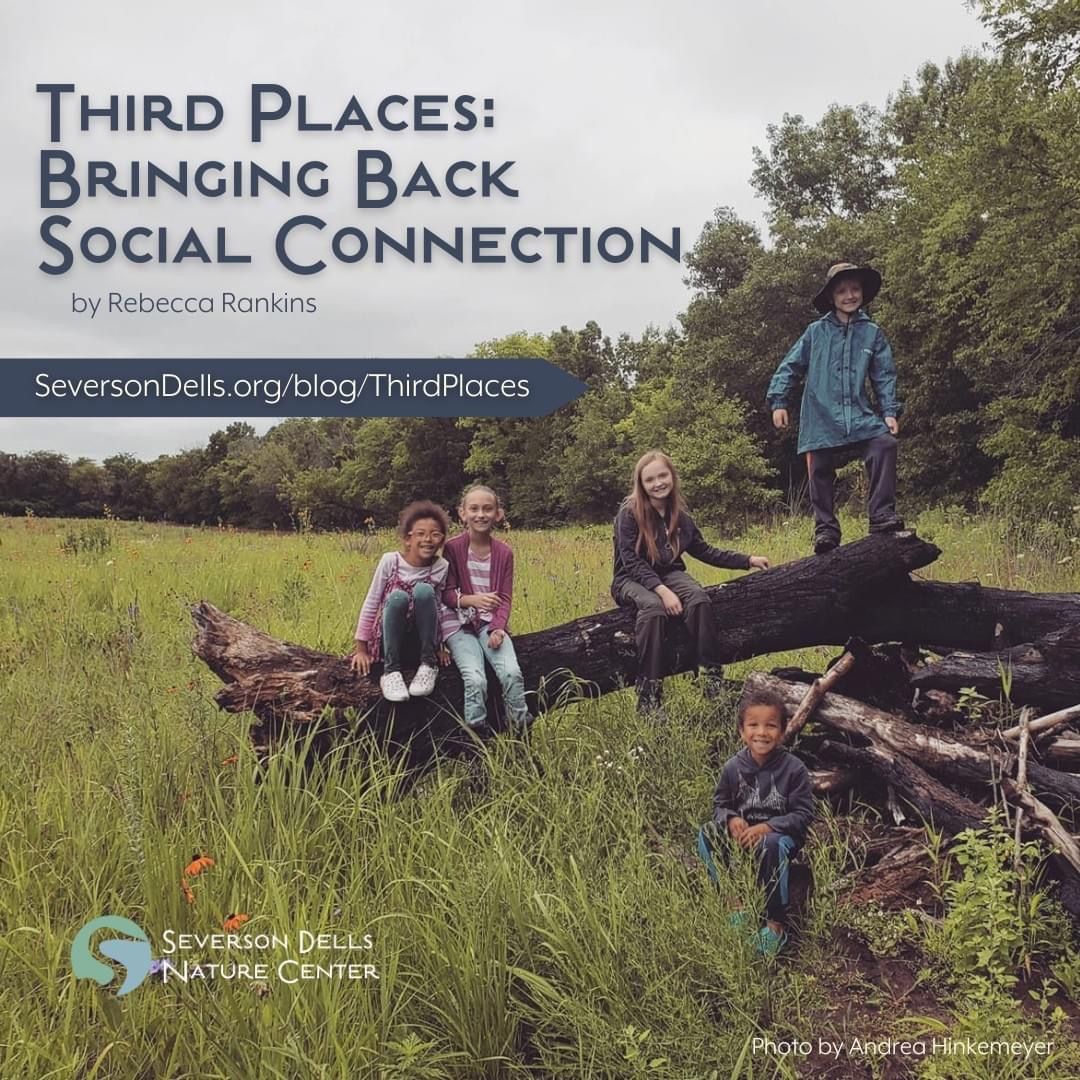
Rebecca Rankins
January 18, 2024


It is inherently human to socialize. Really, it’s inherent to many animals to socialize. However, over the last few years, humans have become increasingly isolated in America. Some say this is due to the rise in online communities; others believe that this is due to the shift in American work weeks. Either way, there is an increase in “loneliness.”
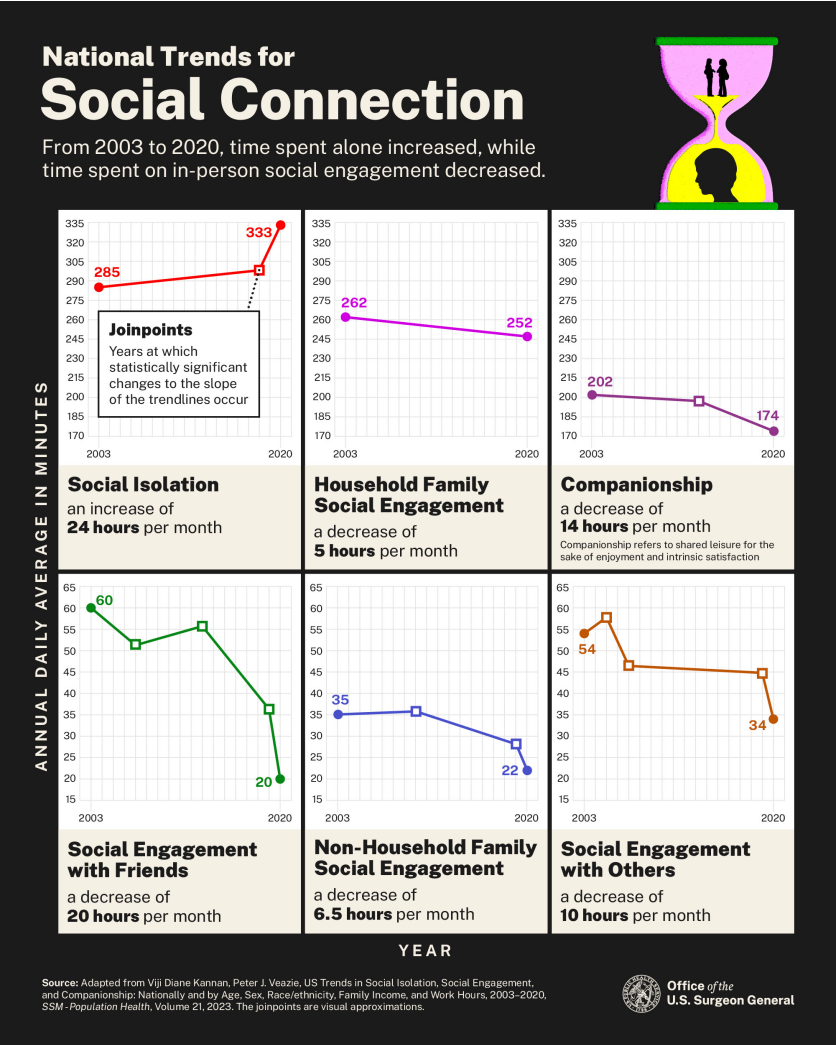

In fact, the US Surgeon General released a report in 2023 on  Our Epidemic of Loneliness and Isolation   detailing the decrease in social connection and the impact this plays on health, well-being, and community resilience. The last 20 years have seen a significant decrease in social connection (see above graphic). 

Further, the report goes on to detail the benefits of social connection, such as higher levels of social connection correlating to better physical health when assessing cardiovascular health, rates of diabetes, cognitive function, and depression & anxiety. When we have social connection, we tend to be less stressed, find more meaning or purpose, are more likely to be more physically active, all of which contribute to better physical health. 

So how do we regain our social connection?  Third Places.


Most of us have a ‘first place’ in our homes, and a ‘second place’ in our work, but what about outside of that? Ray Oldenburg coined the term ‘third place’ to describe the place where we build community. Third places are where we build social connection, and in turn improve our health and the vitality of our community. 


With the rise of isolation, it may seem like our eagerness to seek out third places has decreased, and this may be true. A third place might’ve been a local grocery store or hardware store down the street owned by our neighbors. We were able to stop in the aisles to get all of the town gossip and connect with our community members. However, now we have big box stores that have everything we need in one place and are usually owned and operated by strangers to us. Or, we can order anything we need with a click on our phone. We lose that social connection.

 

Americans are also spending more time in their ‘second places’: work, which leaves less time for their ‘third places’. Americans who are employed full time work an average of  8.61 hours   a day and commute an average of  55.2 minutes   a day. The American standard work week is  assumed  to be 40 hours, which is  comparable to many similar countries   . However, in the United States, there is  no statutory limit   on the amount of overtime hours you’re allowed to work, nor any  federal requirement   for paid vacation leave. Compare that to France who offer  36 total paid days   between statutory paid days and public holidays, the United Kingdom with  28 days   , and Germany with  29 days   . Between the amount of hours worked by Americans, the steep amount of commuting, the lack of limit on overtime, and no federal requirement for paid leave, the amount of time dedicated to a third place is drastically decreasing. It’s no wonder Americans are being plagued by loneliness. 


How do we fix this? Apart from some grand culture shift into refocusing on third places in America, a great place to start is to consider how third places can be integrated into things you’re already doing. I know we may be a bit biased here, but here are some examples on how to integrate outdoor spaces, parks, and preserves back into your lives as a third place: 
 

  1. Attend an evening event
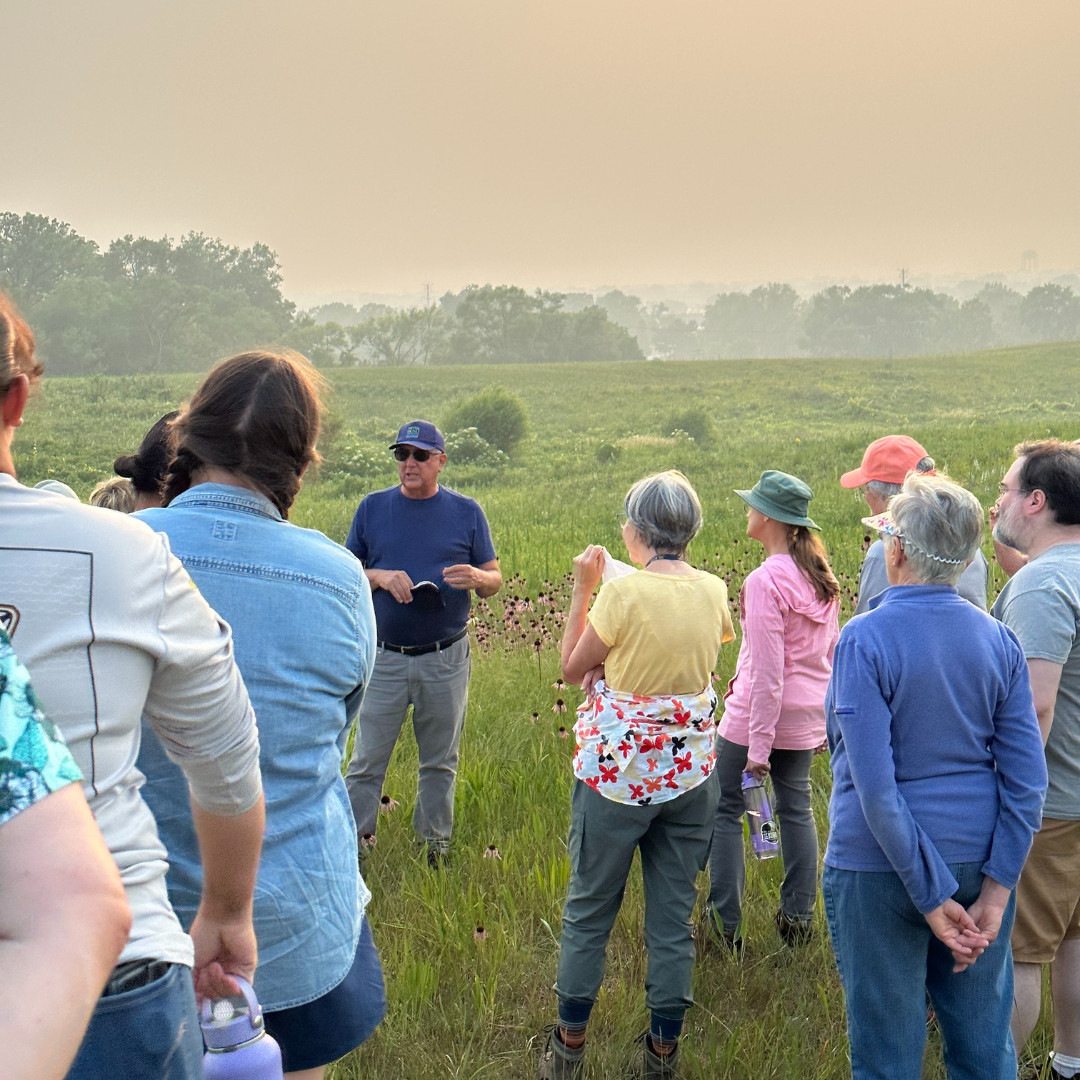
  2. Most events hosted at Severson Dells Nature Center are held after 6pm. We’re just a few minutes off the highway. Stop over on your nightly commute home to join a group for a Full Moon Hike. Or, join us in town this spring at Lucha Cantina for our Snackin’ on Science events. Either way, you’ll get an opportunity to engage with your community and build up your third place.
  3. Make family time, community time
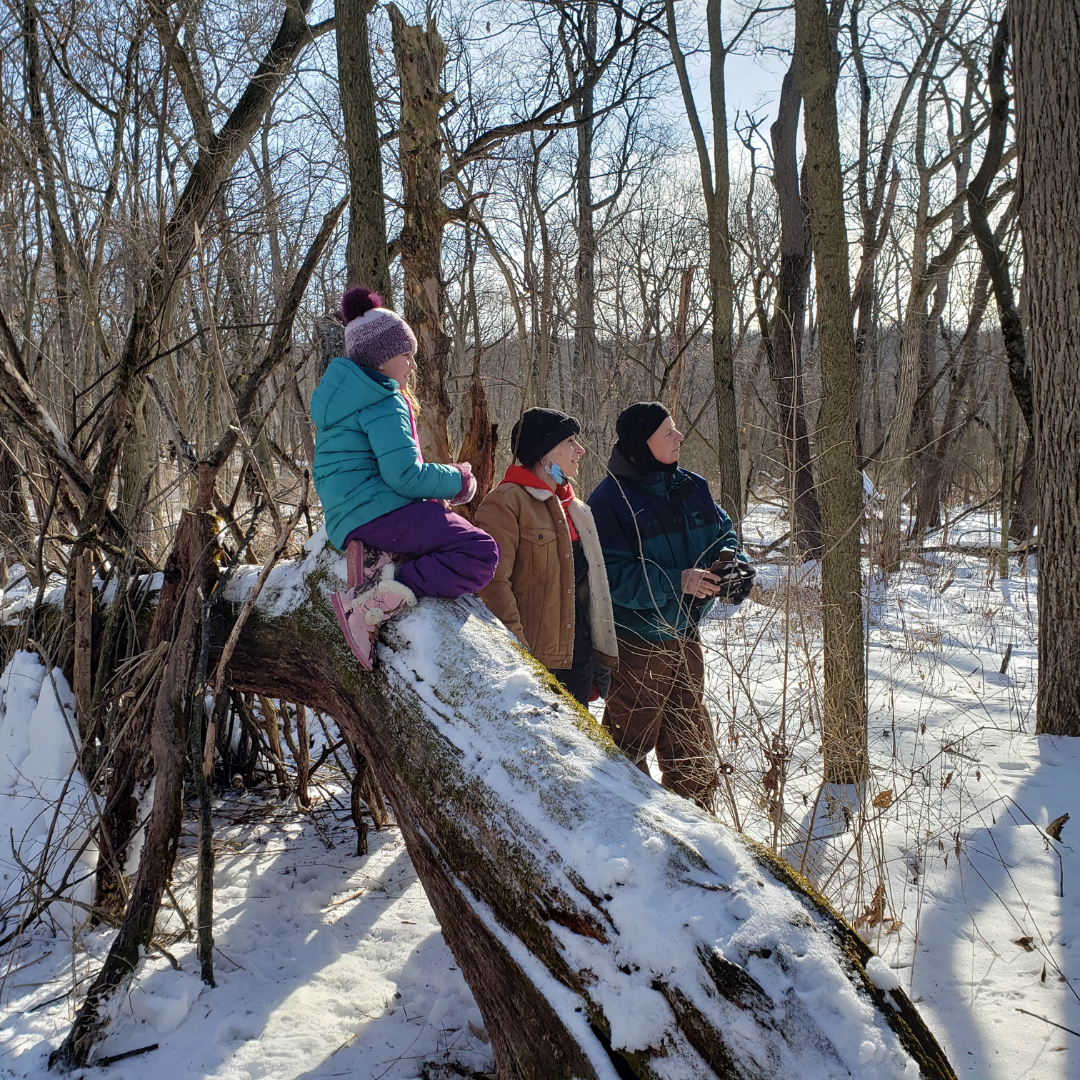
  4. Spending quality time with your family is essential for a healthy balance within your first place. Who’s to say you can’t spend family time in the community? Take your family for a walk along a trail or go bird-watching. Or, bring your family to weekend events in the community, such as Science Saturdays, Family Shelter Building, Family Tracking, or many more weekend programs. 
  5. Advocate for nature in your community
  6. Local parks within walking distance of your first or second places help to build a third place. A common space where communities can come together to relax and build camaraderie contribute to the vitality of those communities. Unfortunately, this is not common in much of the United States. Advocating to our local representatives to invest more in green spaces instead of new ‘second places’ such as factories or office buildings, will make a difference in helping address our society’s lack of accessible third places. 
  7. Help us help you
  8. We’re working on bringing more opportunities to our community offering a third place. This includes more programming, both here at Severson Dells and a little closer to the city center. We welcome any feedback on programs we should integrate into our schedules or new opportunities we should explore! Plus, we have our own little community of our own: Friends of Severson Dells, which is a membership program for those who view Severson as their ‘third place.’ Learn more about memberships here. 
 

For the health of our community and ourselves, third places need to make a return back into American society. A great place to start is spaces like Severson Dells. 

 

RECENT ARTICLES
By Brynn Vega • October 6, 2026
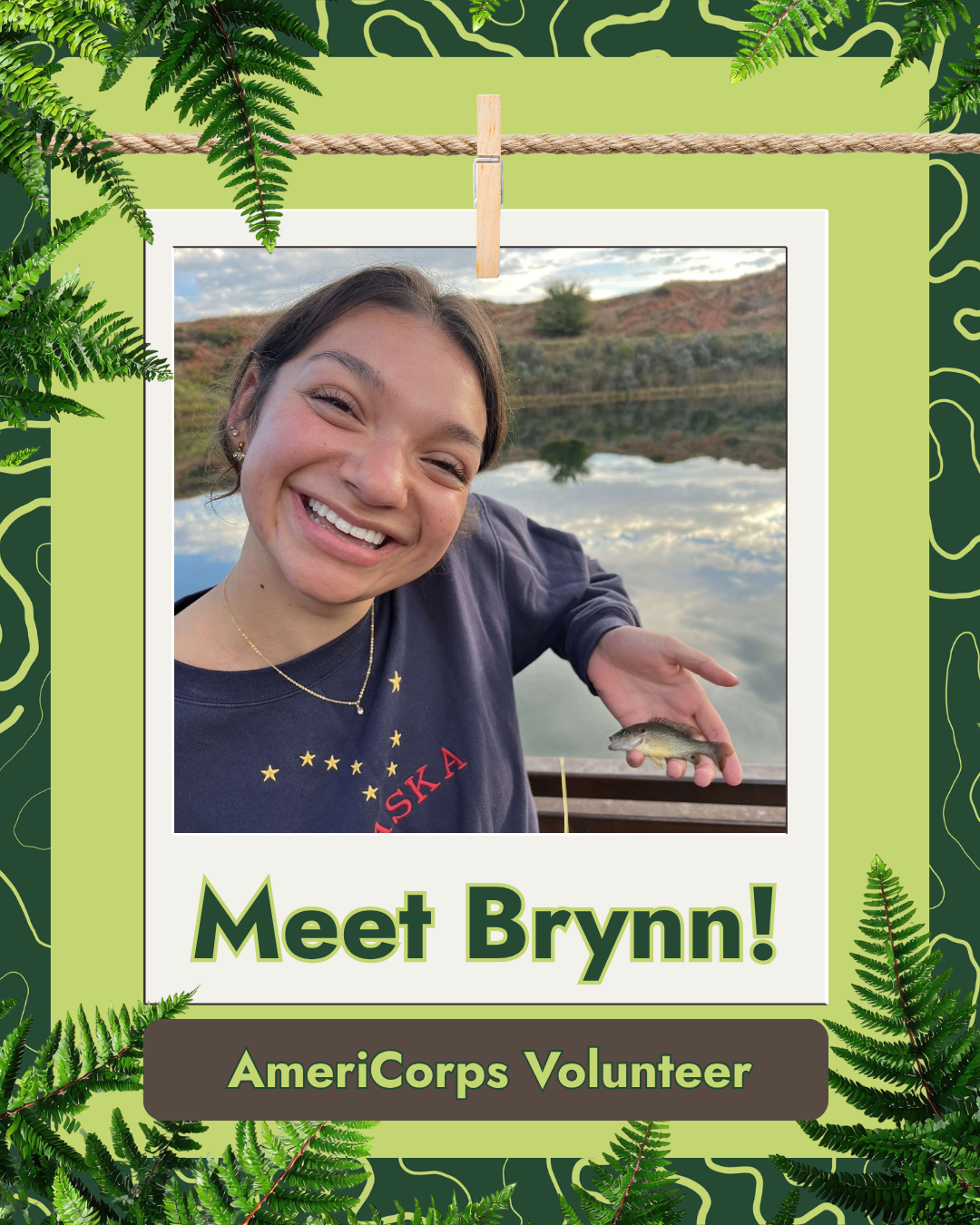
Introducing Brynn!
By Lauren Bonavia • September 24, 2026
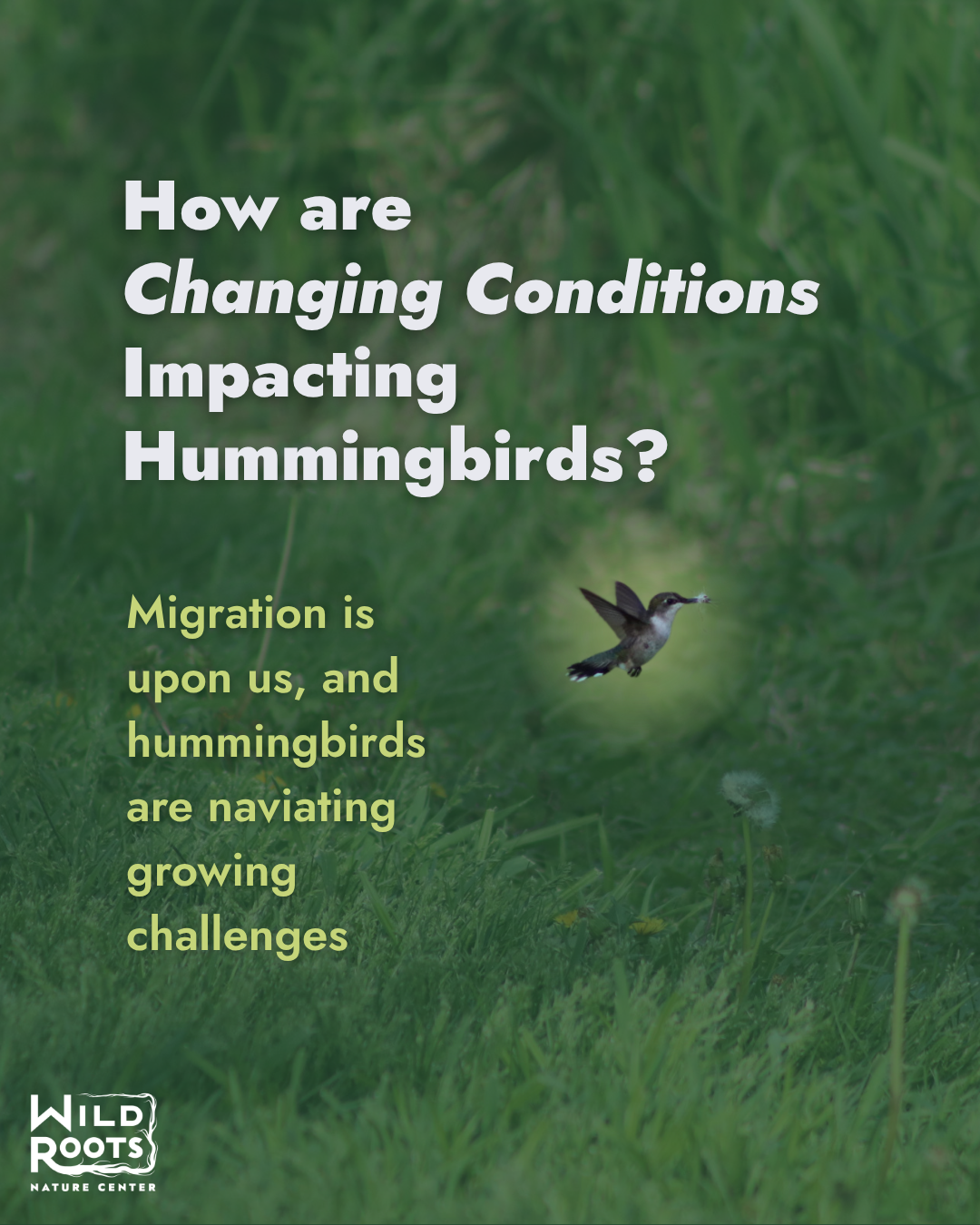
With fall’s cool air upon us, and the shorter days following the Autumn equinox on September 22nd, migration has been set into motion. Migration is the cyclical phenomenon where animals move over large distances, driven by environmental changes such as length of day and temperature. Meet the Ruby-throated Hummingbird Ruby-throated hummingbirds are our resident hummingbird species in the Great Lakes region, and throughout the Eastern United States. They are metallic green, with males sporting the namesake bright ruby throat. Adults measure only 3 to 4 inches long, and weigh 2-6 grams - that is less than a quarter! Ruby-throated hummingbirds breed in the forests and fields of eastern North America during spring and summer, and migrate south to tropical forests and scrublands to spend the fall and winter. Hummingbirds rely on nectar from flowering plants as their primary food source, and this develops a close relationship between the animal and the plant. Hovering, or the ultra-fast flying they are capable of, is an essential feeding behavior that is very energetically expensive to maintain, which is why it is so important that hummingbirds have adequate food sources to fuel themselves. Hummingbirds need to eat 5-6 times per hour to fuel their fast metabolism. Threats to Hummingbirds Flower Blooming Periods Imagine that you show up to your favorite restaurant just as they close the kitchen - even though the internet said they would be open and you have been there dozens of times before at that exact time - this is how a hummingbird feels. Plants are blooming at earlier times each year because of changing climate trends, causing concern that hummingbird arrival may become mismatched with the blooms they depend on so heavily. This is especially pronounced at higher latitudes, or closer to the poles, and could even create limits to migration and contract ranges if nesting success is impacted. This matters because hummingbirds also have important jobs in ecosystems. Because hummingbirds get the other non-nectar portion of their diet from insects, they play a role in balancing pest populations. Humans also depend on pollinators, like hummingbirds, to pollinate our food crops! Hummingbird Adaptations To combat the impacts of a changing world, some animals move physical locations to go somewhere else more suitable. Higher altitudes typically have lower temperatures, so moving up in elevation can counteract localized warming, but this is not a catch-all solution. Scientists with the National Science Foundation reported that hummingbirds that relocated to high altitudes had a significant decrease in metabolic rate, suggesting that low air pressure and oxygen availability reduces hovering performance in Anna’s hummingbirds, and even pushes them into nightly hibernation. Facing these physiological challenges only becomes more costly for low-elevation hummingbirds that are driven to find new food sources. Another study from The Auk assessed the migration of ruby-throated hummingbirds and found that the birds are moving roughly 2 weeks earlier than historical records show. The scientists found correlation between earlier arrivals to breeding grounds, and warmer winter and spring temperatures in North America, which is a trend that experts expect to continue. If they continue to leave early, they will arrive at different times than the flowers they feed on. How can I help hummingbirds? Scientists are still learning how hummingbirds are adapting, but there are lots of ways you can support these important pollinators amidst the challenges they are facing. The best place to start is your backyard. You can… Record data for community science projects like BudBurst to share flowering plant data with scientists Plant native flowering plants, like those found in this guide from the US Department of Agriculture suggests Supplement nectar resources in your backyard with birdfeeders that are monitored/cleaned regularly Next time you see a hummingbird, consider the distance it’s travelled for you to see it, and the amazing life that supported that journey!  Sources Courter, Jason R., et al. “Assessing migration of ruby-throated hummingbirds ( Archilochus colubris ) at broad spatial and temporal scales.” The Auk , vol. 130, no. 1, Jan. 2013, pp. 107–117, https://doi.org/10.1525/auk.2012.12058. McKinney, Amy M., et al. “Asynchronous changes in phenology of migrating broad‐tailed hummingbirds and their early‐season nectar resources.” Ecology , vol. 93, no. 9, Sept. 2012, pp. 1987–1993, https://doi.org/10.1890/12-0255.1. Spence, Austin R., et al. “Anna’s hummingbird ( Calypte anna ) physiological response to novel thermal and hypoxic conditions at high elevations.” Journal of Experimental Biology , vol. 225, no. 10, 15 May 2022, https://doi.org/10.1242/jeb.243294. Austin R. Spence, Hannah LeWinter, Morgan W. Tingley; Anna's hummingbird (Calypte anna) physiological response to novel thermal and hypoxic conditions at high elevations. J Exp Biol 15 May 2022; 225 (10): jeb243294. McKinney, A.M., CaraDonna, P.J., Inouye, D.W., Barr, B., Bertelsen, C.D. and Waser, N.M. (2012), Asynchronous changes in phenology of migrating Broad-tailed Hummingbirds and their early-season nectar resources. Ecology, 93: 1987-1993. Courter, J.R., Johnson, R.J., Bridges, W.C., Hubbard, K.G., " Assessing Migration of Ruby-Throated Hummingbirds (Archilochus colubris) at Broad Spatial and Temporal Scales ," The Auk, 130(1), 107-117, (1 January 2013) University of Maine Ruby-Throated Hummingbird Fact Sheet https://www.allaboutbirds.org/guide/Ruby-throated_Hummingbird/lifehistory This effect is pronounced at lower latitiudes (below 41 degrees?). Warmer winter and spring temperatures in North American breeding grounds were correlated with earlier arrivals at lower latitudes in our recent period. USDA Eastern US Hummingbird Flyer
By Linda Sandquist • September 17, 2026
Embracing Native Plants