FIELD NOTES BLOG

Making it Easier to Volunteer

Andrea Wallace Noble
April 9, 2026

Removing obstacles to connect you to causes you care about!
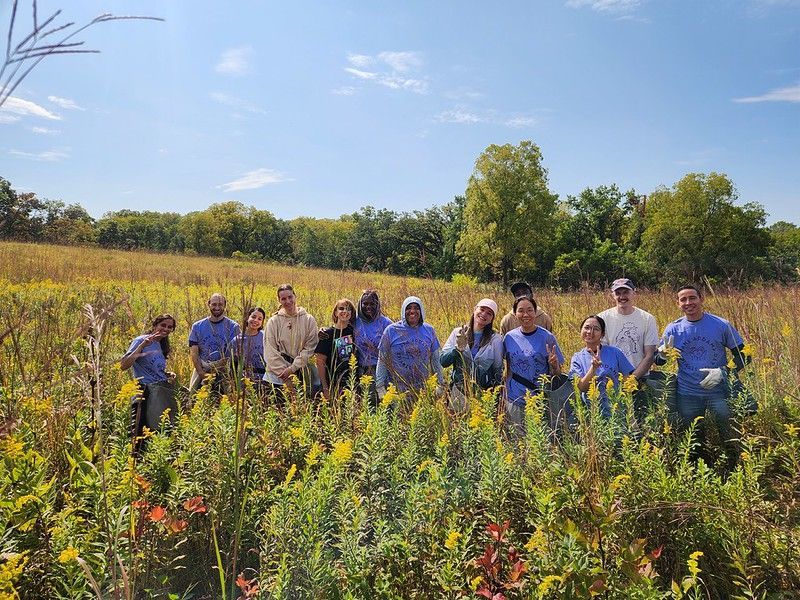
If you found this blog post, it’s very likely that you care about the natural and human community around you. I don’t have to convince you that volunteering is important because it provides an average value of $34 an hour of services to an organization,statistically leads to a longer life, and increases outcomes like a sense of purpose and connection. You likely appreciate these benefits and want to support causes you care about through volunteering, but have some obstacles that keep you from service. In this blog, I’m going to explore common obstacles potential volunteers face and ways Severson Dells can make volunteering easier for you! 
I don’t want to make a big commitment.

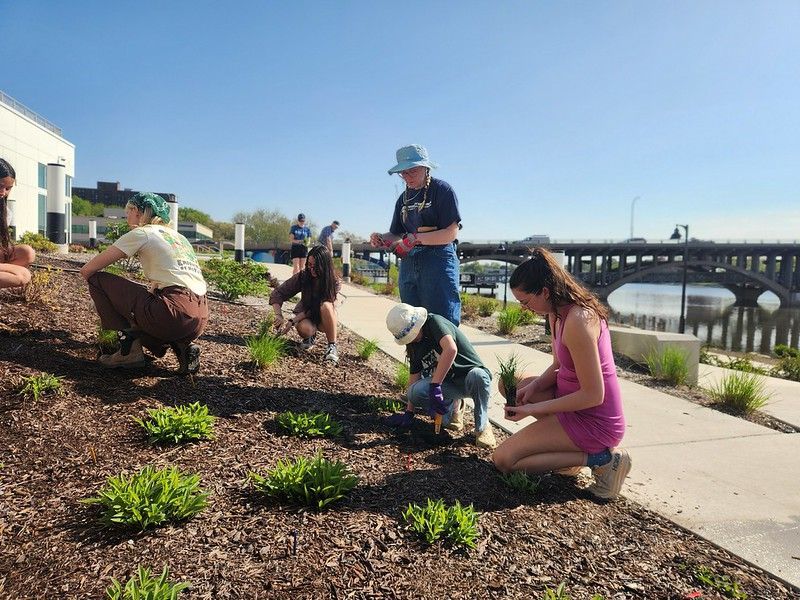
More than ever, people are leading busy lives. Keeping up with jobs, friends, family, and daily tasks is enough to fill anyone’s plate! We understand that it can be hard to commit to a recurring or standing volunteer opportunity. That’s why all of our volunteer opportunities have no minimum requirement and allow you to select shifts that work for your schedule, including weekends! Some opportunities are as short as an hour. 


If signing up for shifts still sounds daunting, we have an option for you that requires no registration! You might be interested in our drop-in Restoration Workdays, where folks can show up to Severson Dells at 9:00 am on the second Saturday of each month and help us restore our native habitat through invasive species removal or native seed collection. While prior registration helps us communicate with you to prepare for the workday (or let you know about weather-related cancellations), registration is not required. You can evaluate your capacity that day and join us if you are able!
It is hard to find childcare for my kids

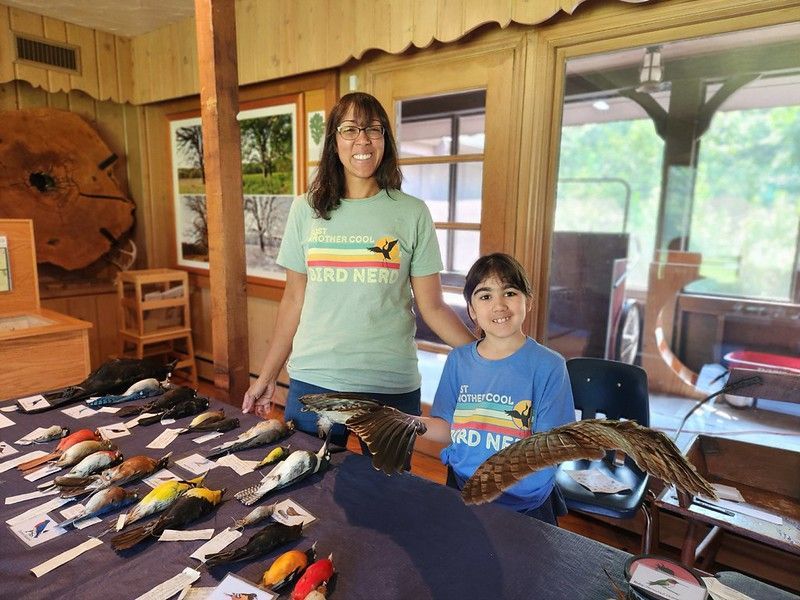
As a parent or caregiver, it can be difficult to carve out time for yourself. When you do get some precious moments of alone time, you deserve to use it for rest and relaxation! Instead of waiting for rare moments when you can volunteer alone, we invite you to consider volunteering with your children! 


 Severson Dells offers multiple volunteer opportunities that work well with families. Volunteering together helps instill values of service and community care for your children, provided intergenerational learning opportunities, and is a fun & free way to spend meaningful time together! Here are the age ranges we recommend for volunteering together as a family

  • Community Science: any age.
  • Restoration Workdays: Elementary age and up, able to follow safety instructions and use hand tools with adult supervision.
  • Science Saturday: Elementary age and up, able to follow activity instructions and maintain interest in hosting activity station for a shift.
  • Front Desk: Upper Elementary and up, able to help guests and self-entertain between active service moments (usually volunteers will read, birdwatch, sketch, etc).


:We do welcome volunteers aged 16 and up to volunteer on their own for these service opportunities given their parent or legal guardian completes our volunteer waiver
I love Severson Dells, but it is so far away

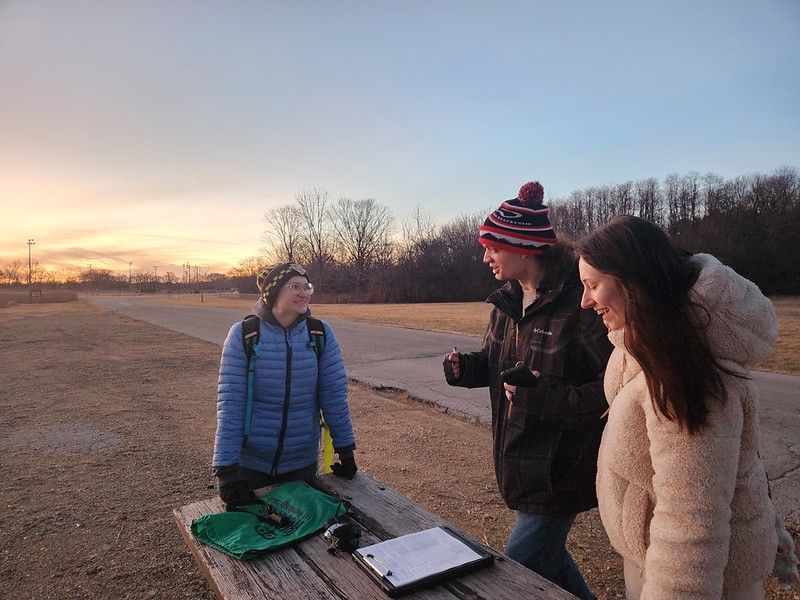
We recognize that our community is big and spans the region. Many of you like the idea of volunteering with us but have a hard time making the drive. Fear not, we have many remote volunteer opportunities through our Community Science program! Through our partnership with Rockford Park District, we have plant and wildlife monitoring opportunities spread throughout Winnebago County. You can pick a site that is close to where you live or work to visit and collect valuable information on local species! Our trainings for these programs are virtual, and we are happy to come to you for a field session to show you the protocol at your chosen monitoring location.

I like nature, but I am not very mobile or active

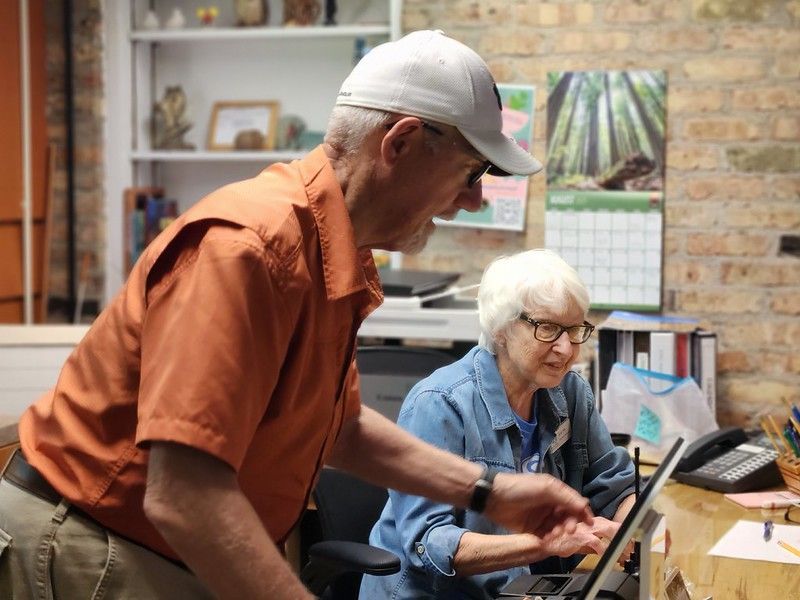
We welcome people with various support needs to volunteer, and recognize how important transparency is in determining whether a volunteer opportunity is a good fit. That’s why we outline some of the essential skills required for our various volunteer opportunities on our volunteer page. You’ll notice that many of our volunteer opportunities- like Front Desk and Science Saturday- don’t require any walking! Our building is wheelchair accessible and our team is always open to conversations about accommodations and accessibility.
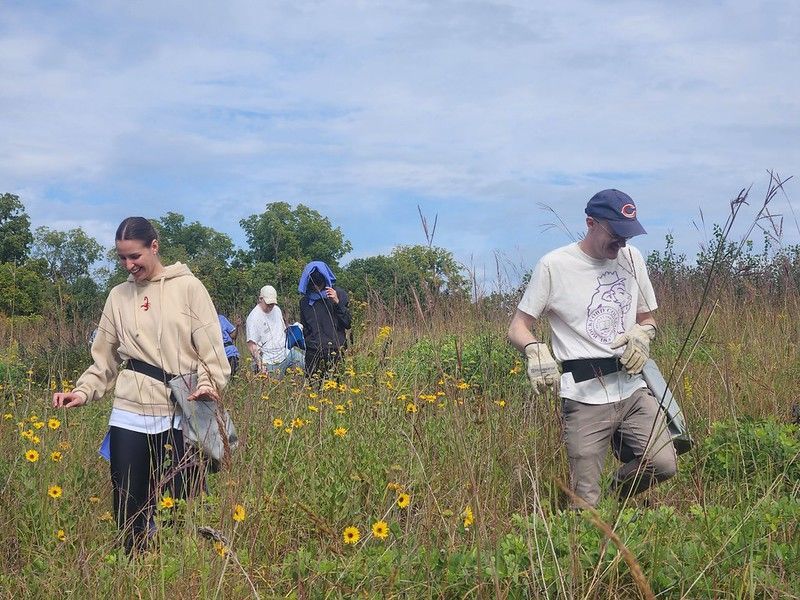

Ok, I think I want to start volunteering! What’s next?

I hope that this blog was able to acknowledge the real challenges potential volunteers face. We appreciate our volunteers deeply, and are always willing to work with volunteers to find opportunities that are a good fit for your interests, schedule, abilities, and preferences. If you are ready to jump in and try volunteering with us, I encourage you to explore our various volunteer opportunities over on our volunteering page: www.seversondells.org/volunteer . There, you can see our handy flow chart to help match you with a service opportunity and a button that will take you to our volunteer application. 


We’ll connect with anyone who fills out our volunteer application (or reaches out to me directly at
andrea@seversondells.org) to share next steps and get you started.


Thanks for your interest, and we look forward to having you on our team of change-makers and earth-savers!

RECENT ARTICLES
By Brynn Vega • October 6, 2026
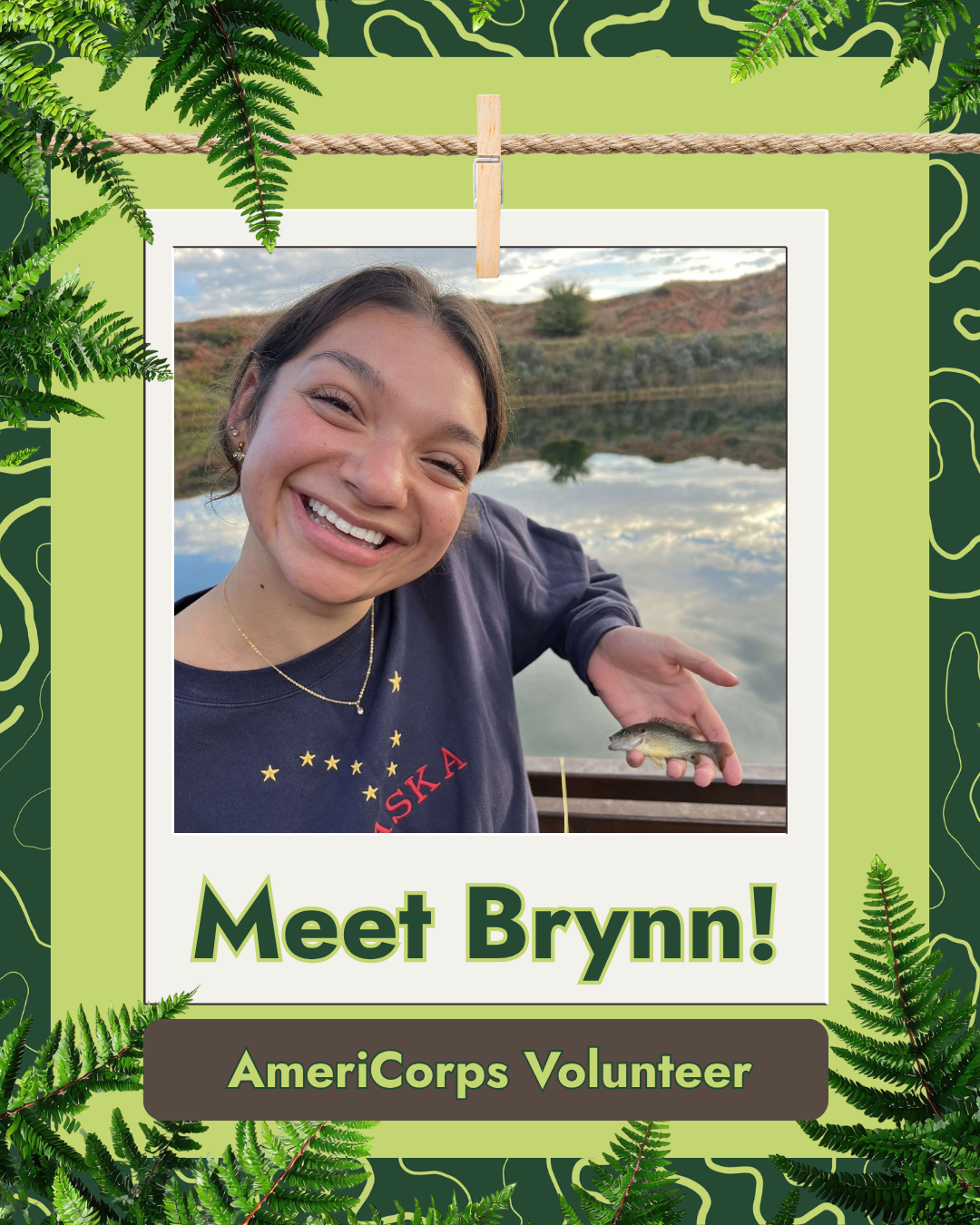
Introducing Brynn!
By Lauren Bonavia • September 24, 2026
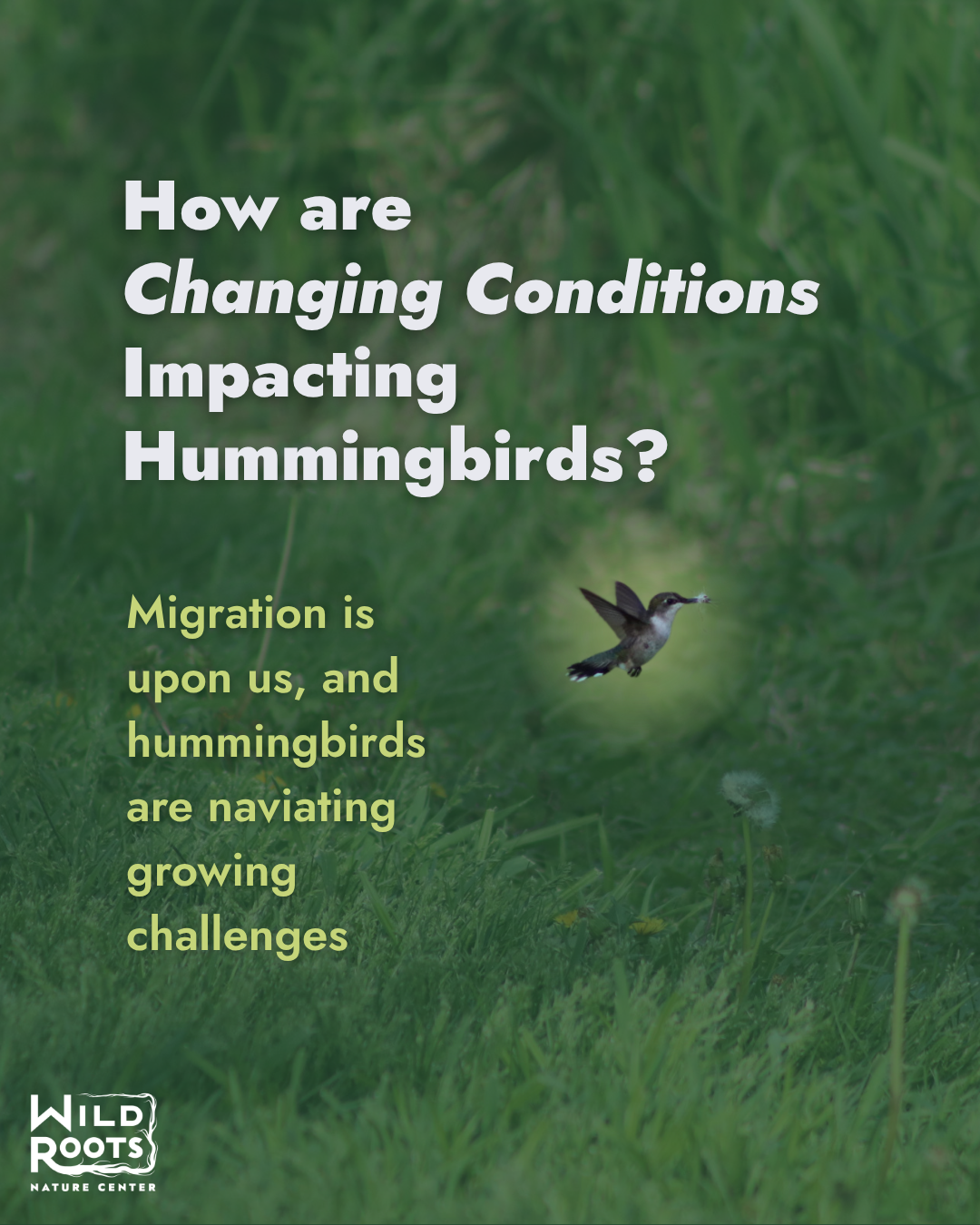
With fall’s cool air upon us, and the shorter days following the Autumn equinox on September 22nd, migration has been set into motion. Migration is the cyclical phenomenon where animals move over large distances, driven by environmental changes such as length of day and temperature. Meet the Ruby-throated Hummingbird Ruby-throated hummingbirds are our resident hummingbird species in the Great Lakes region, and throughout the Eastern United States. They are metallic green, with males sporting the namesake bright ruby throat. Adults measure only 3 to 4 inches long, and weigh 2-6 grams - that is less than a quarter! Ruby-throated hummingbirds breed in the forests and fields of eastern North America during spring and summer, and migrate south to tropical forests and scrublands to spend the fall and winter. Hummingbirds rely on nectar from flowering plants as their primary food source, and this develops a close relationship between the animal and the plant. Hovering, or the ultra-fast flying they are capable of, is an essential feeding behavior that is very energetically expensive to maintain, which is why it is so important that hummingbirds have adequate food sources to fuel themselves. Hummingbirds need to eat 5-6 times per hour to fuel their fast metabolism. Threats to Hummingbirds Flower Blooming Periods Imagine that you show up to your favorite restaurant just as they close the kitchen - even though the internet said they would be open and you have been there dozens of times before at that exact time - this is how a hummingbird feels. Plants are blooming at earlier times each year because of changing climate trends, causing concern that hummingbird arrival may become mismatched with the blooms they depend on so heavily. This is especially pronounced at higher latitudes, or closer to the poles, and could even create limits to migration and contract ranges if nesting success is impacted. This matters because hummingbirds also have important jobs in ecosystems. Because hummingbirds get the other non-nectar portion of their diet from insects, they play a role in balancing pest populations. Humans also depend on pollinators, like hummingbirds, to pollinate our food crops! Hummingbird Adaptations To combat the impacts of a changing world, some animals move physical locations to go somewhere else more suitable. Higher altitudes typically have lower temperatures, so moving up in elevation can counteract localized warming, but this is not a catch-all solution. Scientists with the National Science Foundation reported that hummingbirds that relocated to high altitudes had a significant decrease in metabolic rate, suggesting that low air pressure and oxygen availability reduces hovering performance in Anna’s hummingbirds, and even pushes them into nightly hibernation. Facing these physiological challenges only becomes more costly for low-elevation hummingbirds that are driven to find new food sources. Another study from The Auk assessed the migration of ruby-throated hummingbirds and found that the birds are moving roughly 2 weeks earlier than historical records show. The scientists found correlation between earlier arrivals to breeding grounds, and warmer winter and spring temperatures in North America, which is a trend that experts expect to continue. If they continue to leave early, they will arrive at different times than the flowers they feed on. How can I help hummingbirds? Scientists are still learning how hummingbirds are adapting, but there are lots of ways you can support these important pollinators amidst the challenges they are facing. The best place to start is your backyard. You can… Record data for community science projects like BudBurst to share flowering plant data with scientists Plant native flowering plants, like those found in this guide from the US Department of Agriculture suggests Supplement nectar resources in your backyard with birdfeeders that are monitored/cleaned regularly Next time you see a hummingbird, consider the distance it’s travelled for you to see it, and the amazing life that supported that journey!  Sources Courter, Jason R., et al. “Assessing migration of ruby-throated hummingbirds ( Archilochus colubris ) at broad spatial and temporal scales.” The Auk , vol. 130, no. 1, Jan. 2013, pp. 107–117, https://doi.org/10.1525/auk.2012.12058. McKinney, Amy M., et al. “Asynchronous changes in phenology of migrating broad‐tailed hummingbirds and their early‐season nectar resources.” Ecology , vol. 93, no. 9, Sept. 2012, pp. 1987–1993, https://doi.org/10.1890/12-0255.1. Spence, Austin R., et al. “Anna’s hummingbird ( Calypte anna ) physiological response to novel thermal and hypoxic conditions at high elevations.” Journal of Experimental Biology , vol. 225, no. 10, 15 May 2022, https://doi.org/10.1242/jeb.243294. Austin R. Spence, Hannah LeWinter, Morgan W. Tingley; Anna's hummingbird (Calypte anna) physiological response to novel thermal and hypoxic conditions at high elevations. J Exp Biol 15 May 2022; 225 (10): jeb243294. McKinney, A.M., CaraDonna, P.J., Inouye, D.W., Barr, B., Bertelsen, C.D. and Waser, N.M. (2012), Asynchronous changes in phenology of migrating Broad-tailed Hummingbirds and their early-season nectar resources. Ecology, 93: 1987-1993. Courter, J.R., Johnson, R.J., Bridges, W.C., Hubbard, K.G., " Assessing Migration of Ruby-Throated Hummingbirds (Archilochus colubris) at Broad Spatial and Temporal Scales ," The Auk, 130(1), 107-117, (1 January 2013) University of Maine Ruby-Throated Hummingbird Fact Sheet https://www.allaboutbirds.org/guide/Ruby-throated_Hummingbird/lifehistory This effect is pronounced at lower latitiudes (below 41 degrees?). Warmer winter and spring temperatures in North American breeding grounds were correlated with earlier arrivals at lower latitudes in our recent period. USDA Eastern US Hummingbird Flyer
By Linda Sandquist • September 17, 2026
Embracing Native Plants