FIELD NOTES BLOG
Protecting Illinois Wetlands and Why It Matters
If you haven’t yet seen the news, there are some very significant pending policy shifts regarding the protection of wetlands in Illinois and across the United States. These are changes we must understand together, because they affect the limited fragile wetlands that remain in Illinois.
The Federal Shift: Narrowing the Scope of the Clean Water Act
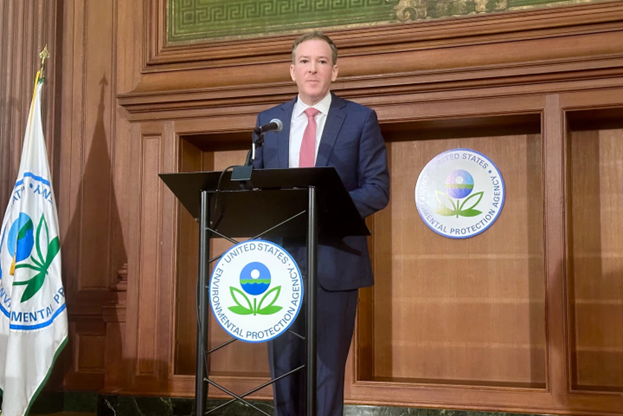
At the federal level, the Environmental Protection Agency (EPA) has proposed a new rule that would dramatically restrict what counts as a federally-protected “wetland” under the Clean Water Act.
Here are some of the key elements:
- The new definition of “Waters of the United States” (WOTUS) would confine protections to
relatively permanent bodies of water (rivers, lakes, oceans) and those wetlands with a
continuous surface connection to such waters. (Federal Register)
- Seasonal, intermittent, or groundwater-flow-connected wetlands would be excluded from federal oversight. (Restore America's Estuaries)
- The change builds on a 2023 Sackett v. EPA Supreme Court decision, which held that only wetlands with a continuous surface connection to navigable waters are covered. (Natural Resources Defense Council)
Environmental groups warn that the change could strip federal protections from
tens of millions of acres of wetlands nationwide, including many in the Midwest and Great Lakes region. (WWNO)
Why this matters for Illinois:
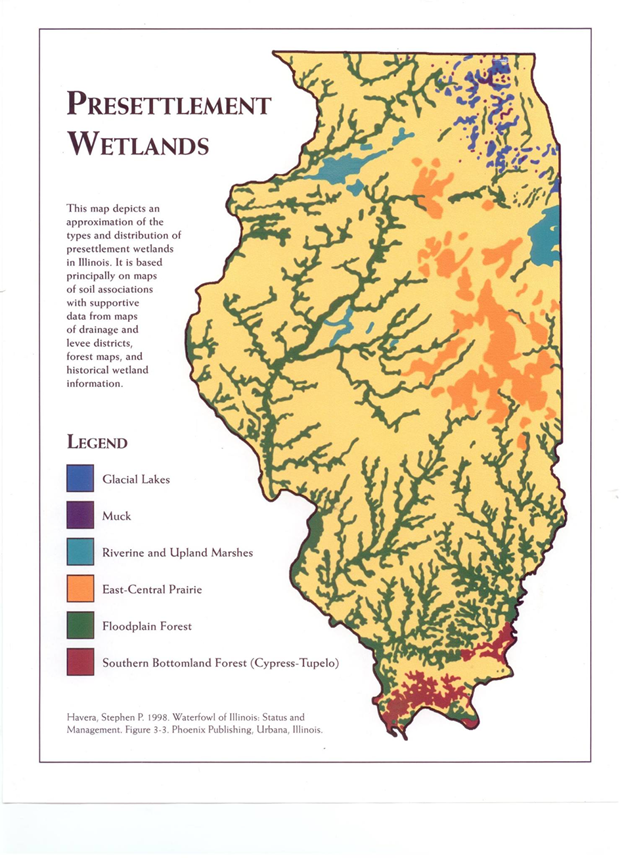
- Illinois has already lost an overwhelming share of its original wetlands — estimates show we’ve lost roughly
90 % of historic wetland acreage. (Illinois Environmental Council)
- With federal protection being narrowed, the remaining wetlands (many of which are small, seasonal, or connected via groundwater) face heightened risk of degradation, filling, or alteration.
- Wetlands serve vital roles: filtering water, slowing storm runoff, providing habitat, and buffering against flood and climate impacts. This is why Severson Dells is restoring the creek and wetland at the old Elliot Golf Course.
The Illinois Response: A Proposed State-Level Bill
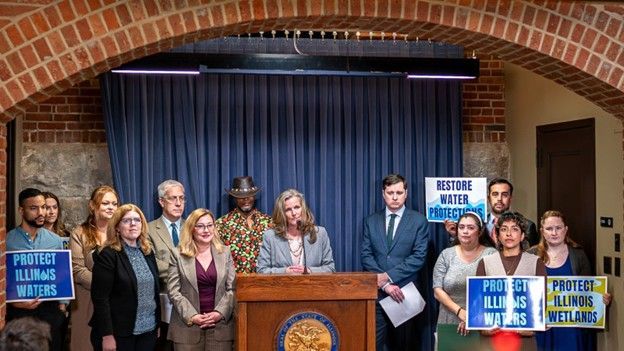
Recognizing the growing protection gap, conservation partners in Illinois are pushing a new state-legislation framework to fill in the gaps:
- The Wetlands and Small Stream Protection Act was introduced by Laura Ellman (Senator) & Anna Moeller (Representative) in 2024 as a direct response to the federal rollback. (Illinois Environmental Council)
- Its aim:
“to codify state-level wetlands protections and processes to safeguard these sensitive, but highly functioning ecosystems.” (Illinois Environmental Council)
- The proposed law would set state-standards for wetlands and small streams, especially those not covered by federal rule, and strengthen Illinois’ ability to regulate, restore, or offset impacts.
What this means for us and for future-looking conservation:
- By closing the regulatory gap within Illinois, the bill ensures that smaller wetlands, many of which lie in and around our forest-preserve systems and natural-area corridors, aren’t simply left vulnerable.
- It empowers local and state agencies, as well as land trusts, to take action even if the federal government steps back.
Why Illinois Must Act
As a community, here’s why protecting wetlands matters so deeply:
- Ecosystem services: Wetlands act as natural filters, removing pollutants and sediments before they reach rivers and lakes. That benefits water quality for all residents. (Environment America)
- Flood resilience and stormwater control: Especially in Illinois’ flat terrain, wetlands absorb and slow down high-water flows. When wetlands are lost or degraded, downstream communities face higher flood risk.
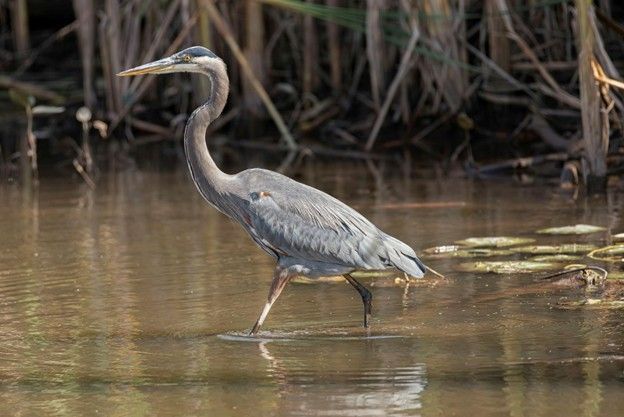
- Biodiversity and habitat: Many species we care about — amphibians, reptiles like the Blanding’s turtle, migratory birds — rely on wetlands. Protecting these places helps safeguard them. (Environment America)
- Climate adaptation: Intact wetland systems help landscapes adapt to shifting rainfall patterns, heavy storms, and seasonal extremes. Cutting protections now undermines that resilience.
What You Can Do
Here are some actions to take to protect wetlands:
- Reach out to your legislators: Encourage them to support the Wetlands and Small Stream Protection Act in Illinois-
HB3596/SB2401. A strong message shows elected officials this issue matters. Reach out to your legislators through the
Illinois Environmental Council
- Stay informed: The federal comment period is open for the new EPA rule redefining WOTUS. Consider submitting a comment on the
EPA’s website. The public comment period closes on January 5, 2026
- Educate others: Please share information about the EPA rule change and the pending Illinois legislation and help your community better understand how policy shifts will affect our local watersheds.
Looking Ahead
Wetlands aren’t “nice extras”, they’re foundational to healthy landscapes, resilient water systems, and robust wildlife communities. With federal protections narrowing and the responsibility increasingly shifting to states, it is important that Illinois have strong protections in place to protect the few remaining wetlands left across the state.
Our shared future in Illinois depends on the choices that are made now. If we allow this moment of regulatory transition to pass without asserting strong conservation leadership, we risk watching more wetlands disappear. But if we rise to the challenge, we can help ensure that Illinois’ remaining wetlands and the services they provide remain intact for decades to come.
Sources:
- apnews.com
- washingtonpost.com
- Natural Resources Defense Council
- Environmental Protection Agency
- Union of Concerned Scientists
- Illinois Environmental Council
- Federal Register
- University of Illinois
RECENT ARTICLES