FIELD NOTES BLOG
Wonders of the Midwest: 10 Nature Adventure Daytrips from Northern Illinois and Beyond
As a New Yorker who has had the opportunity to be in the Midwest for the first time since I moved here in October, there has been no shortage of environmental wonders to explore to my heart’s content. Here is my list of the wonders of the Midwest, which includes a few places I have visited and a few places I have yet to check out. All of these gardens and parks are within Rockford or a 3-hour drive of Rockford, perfect for a day trip!
1. Severson Dells Nature Center
Rockford, IL
Distance from Severson Dells: 0 miles, 0 minutes
My home base in the Midwest is Severson Dells Nature Center. This is the first natural wonder I encountered upon moving to the area, but it is also where I have learned much of my nature identification and educator skills, so it holds a special place at the top of this list.
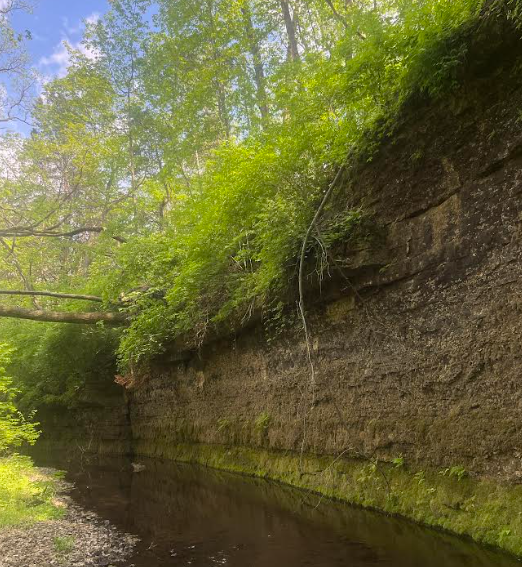
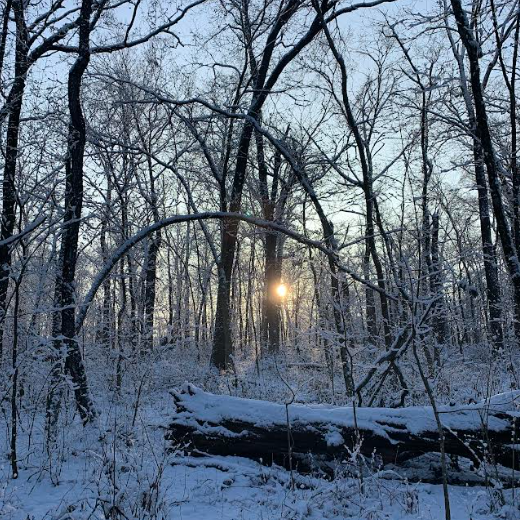
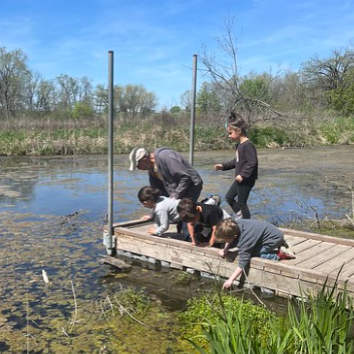
Severson Dells has hiking trails complete with forest, prairie, pond, and creek habitats that are teeming with plant and animal life, a visitor center, and the Grove Nature Playscape. However, our namesake and crown jewel of this location are the glacier-carved dells that can reach up to 30 feet high and contain ancient fossils. At the center of Severson Dell’s mission is connecting people with nature, so we offer a variety of school and public programs to foster this relationship, which you can check out on our events calendar.

2. Klehm Arboretum & Botanic Garden
Rockford, IL
Distance from Severson Dells: 6 miles, 10 minutes
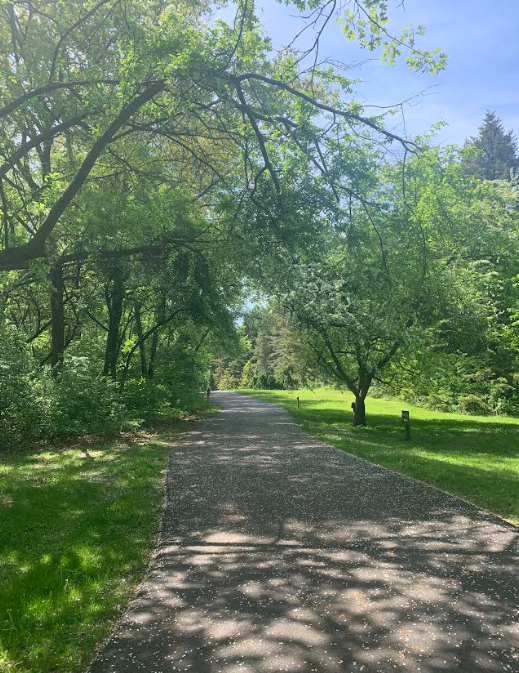
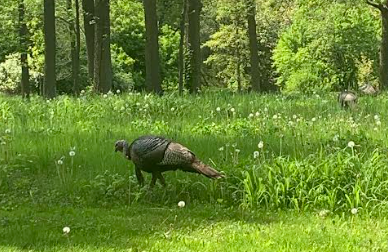
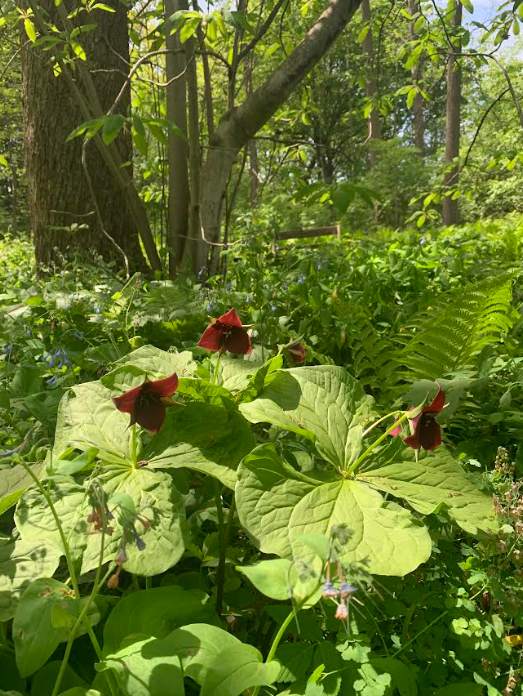
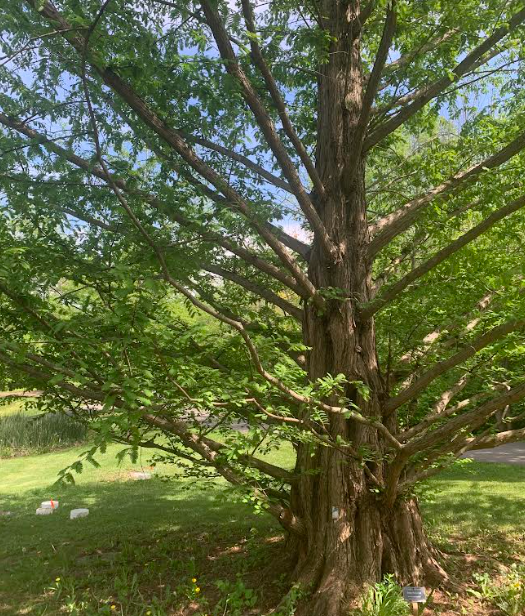
Klehm Arboretum’s 155 acres of gardens and woodlands include ~1.5 miles of walking trails and 3 miles of woodland trails. When I visited, I loved the canopy of mature trees, informative educational signage, an endangered adult American Chestnut Tree, and the wild turkeys I spotted.
3. Nicholas Conservatory and Gardens
Rockford, IL
Distance from Severson Dells: 10 miles, 20 minutes
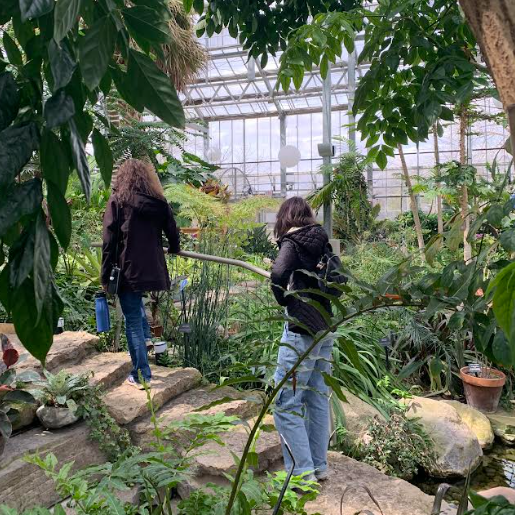
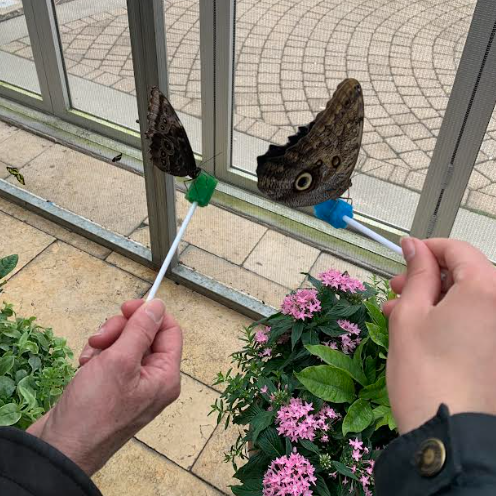
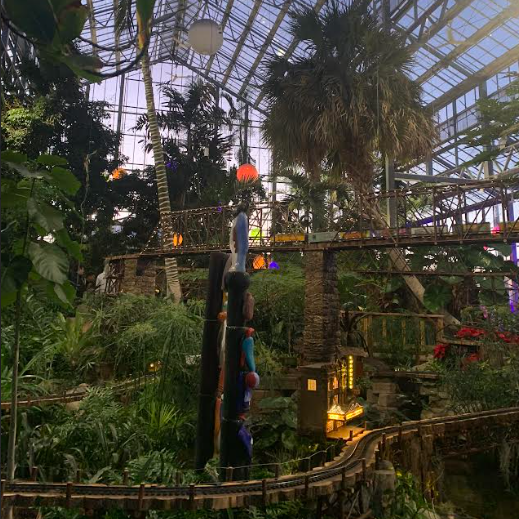
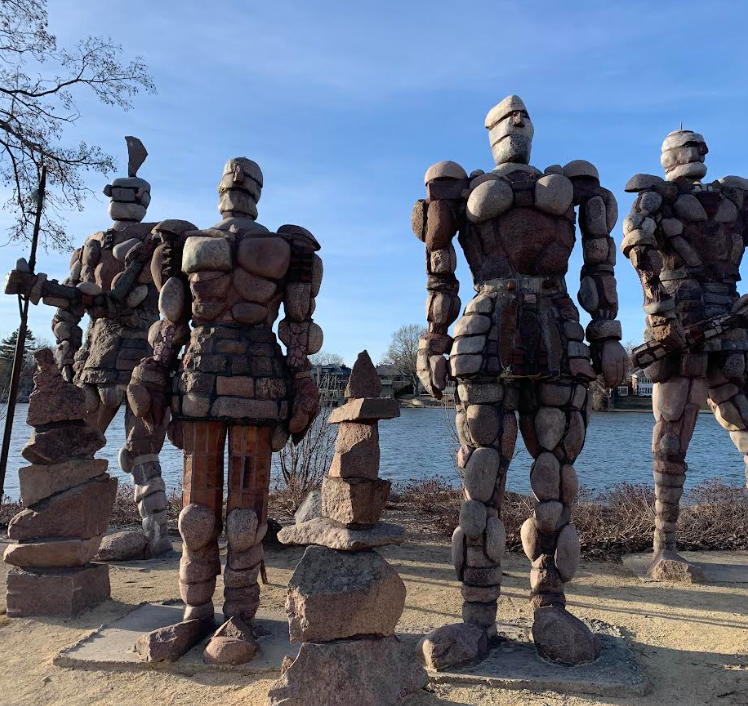
Check out this towering greenhouse filled with tropical plants year-round. The Nicholas Conservatory and Gardens also has fun seasonal attractions, from miniature trains zipping through the plants in the winter to butterfly encounters in the spring. If you step outside the conservatory, there is a lagoon, a rose garden, the 10-mile Rock River recreation path, and Sinnissippi Park across the street.
4. Anderson Japanese Gardens
Rockford, IL
Distance from Severson Dells: 10 miles, 20 minutes
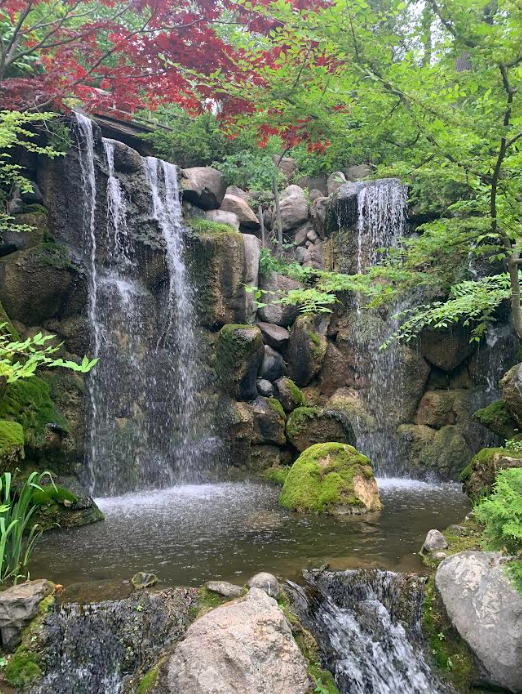
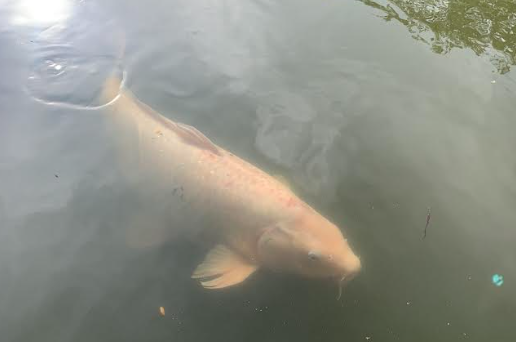
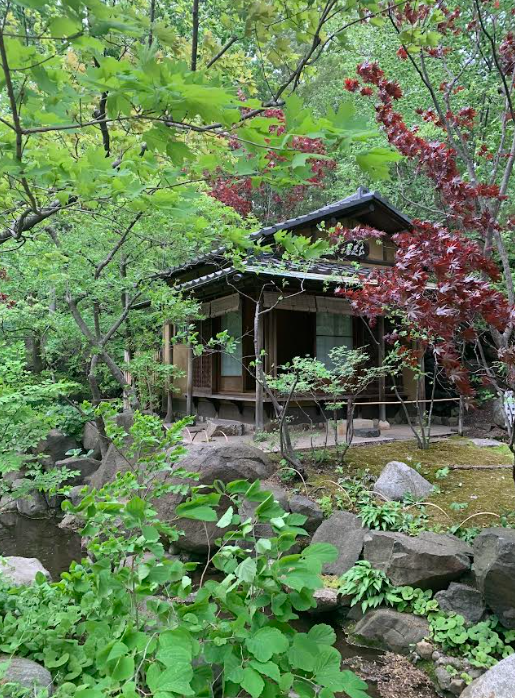
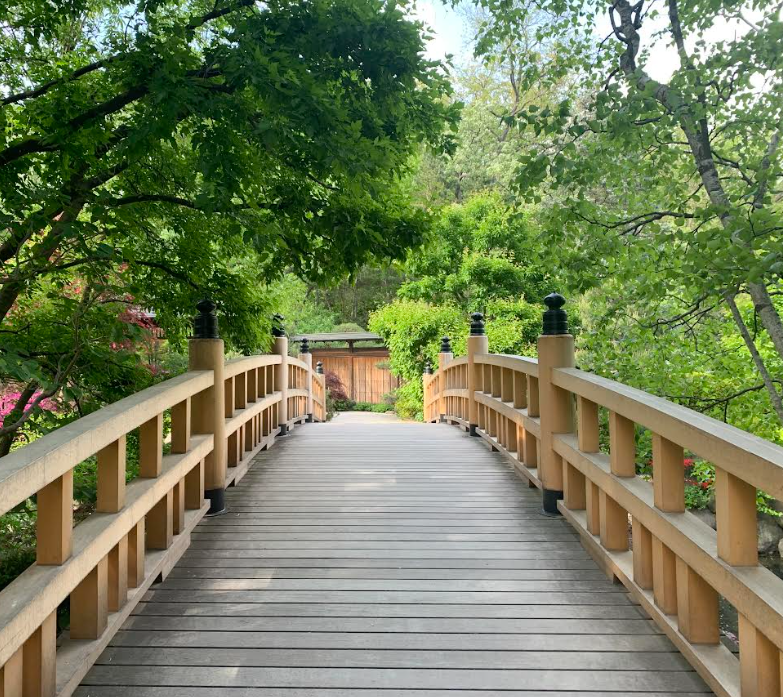
With winding walking paths, numerous water features, Anderson Japanese architecture, well-kept plants, and large koi fish in the ponds, everything Anderson Japanese Gardens has to offer emanates peace and tranquility.
5. Rock Cut State Park
Loves Park, IL
Distance from Severson Dells: 26 miles, 30 minutes
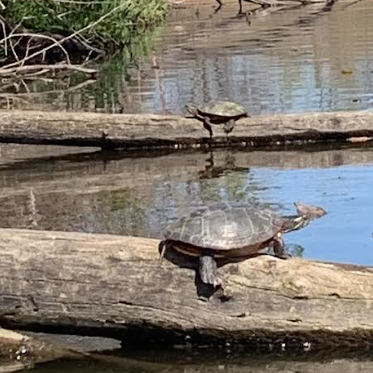
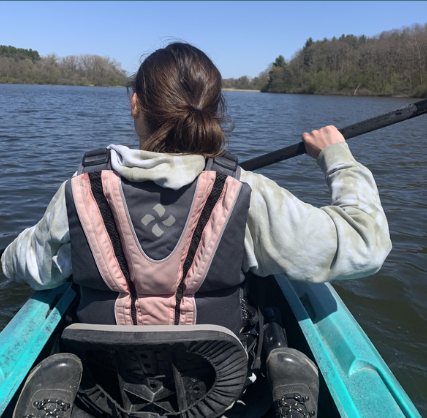
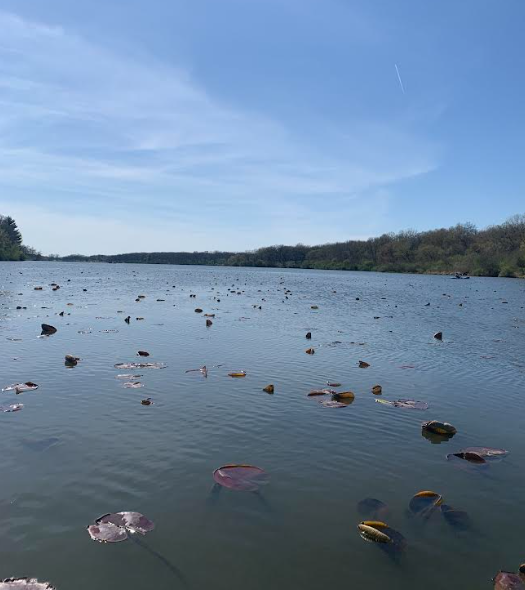
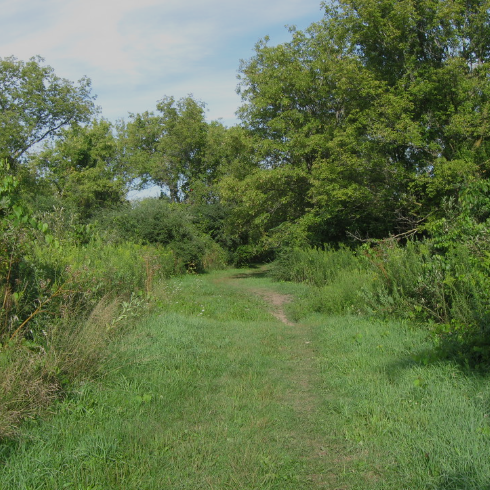
Rock Cut has 2 large lakes, the larger of the two is the 160-acre Pierce Lake and the smaller is the 50-acre Olson Lake. The lakes are open for winter ice skating and ice fishing as well as summer paddle sports, including kayaking, canoeing, and paddle boarding, all of which are available for rent at the park. Additionally, the park has campsites and miles of trails for mountain biking, hiking, and horseback riding. There is no shortage of activities to participate in at Rockcut State Park.
6. Starved Rock State Park
Oglesby, IL
Distance from Severson Dells: 78 miles, 1 hour and 15 minutes
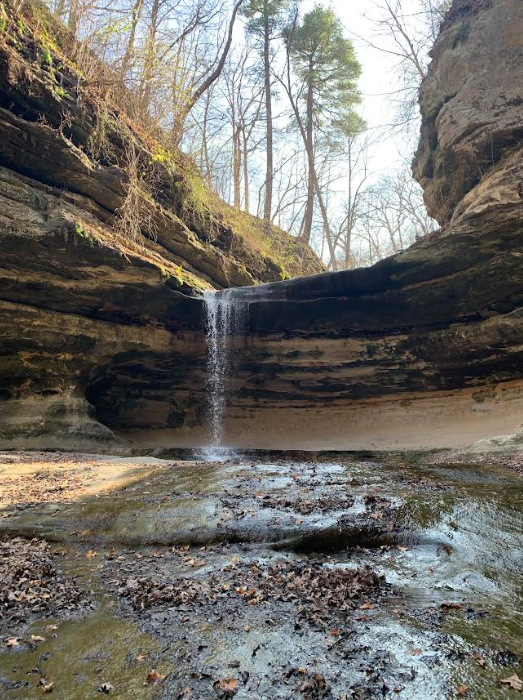
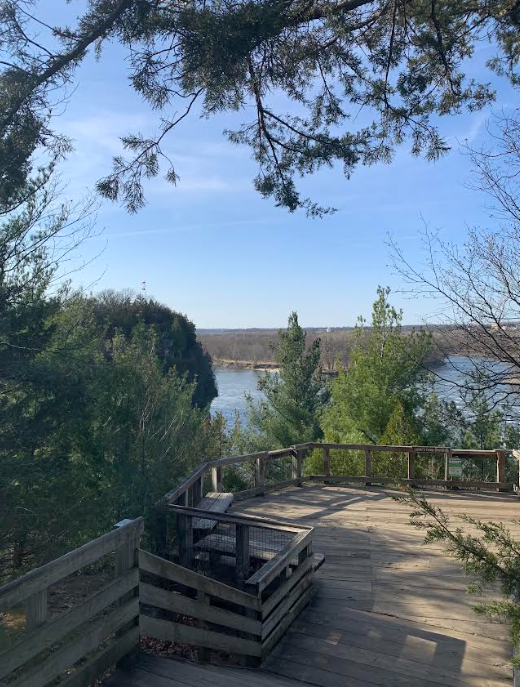
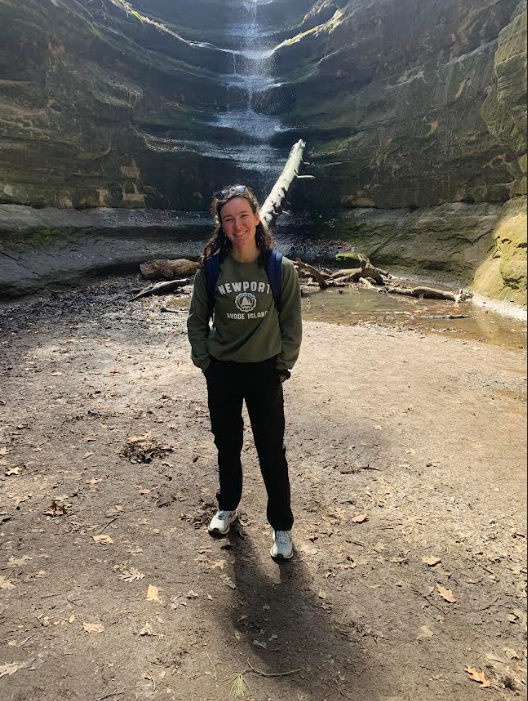
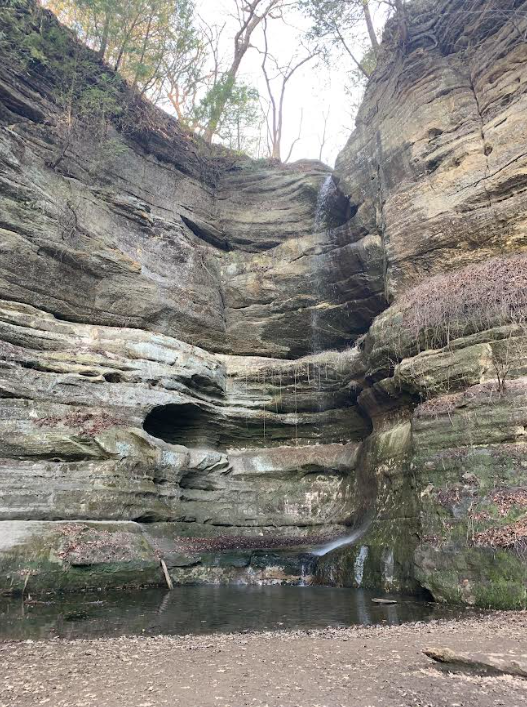
Starved Rock has 13 miles of hiking trails, campgrounds, and 18 sandstone canyons that have been shaped by glacial meltwater 14,000 years ago. When I visited Starved Rock, I had the opportunity to see some of the park’s rain-fed waterfalls, beautiful outlook points, and learn the difference between vultures and eagles soaring through the sky.
7. Midewin National Tallgrass Prairie
Wilmington, IL
Distance from Severson Dells: 126 miles, 2 hours
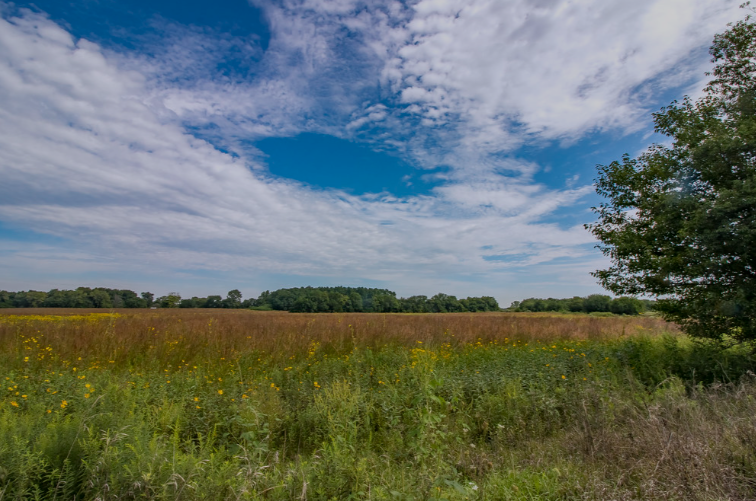
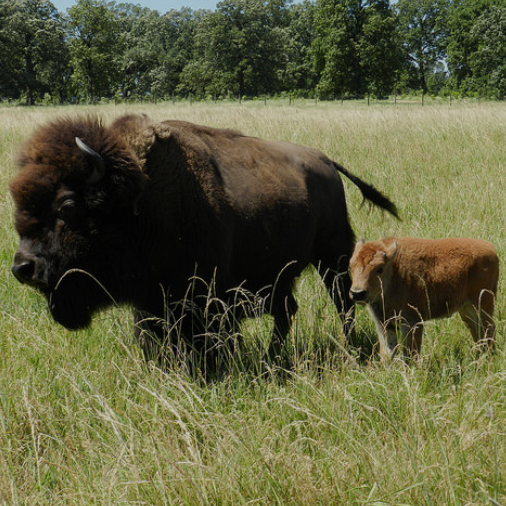
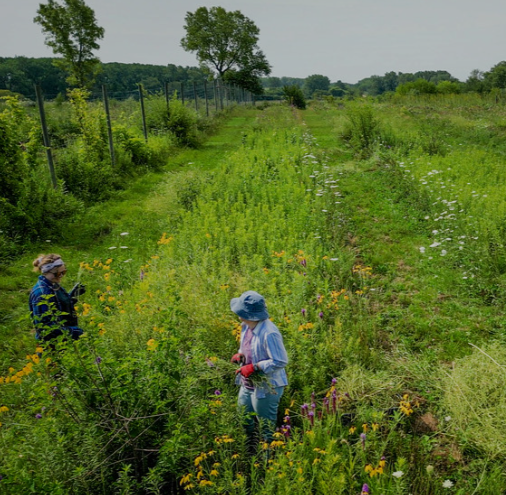
To take in the vast 20,000 acres of the largest protected area in the Chicago Wilderness, visit the Midewin National Tallgrass Prairie. This prairie has been meticulously restored, and what was once factory land is now home to a variety of native plant and animal species, including reintroduced bison! To experience this natural area for yourself, you can hike, bike, horseback ride, picnic, or camp.

8. Devil's Lake State Park
Baraboo, WI
Distance from Severson Dells: 130 miles, 2 hours
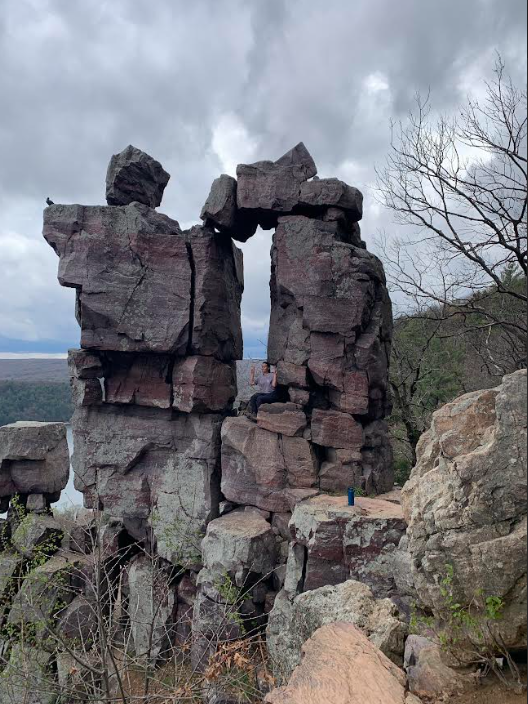
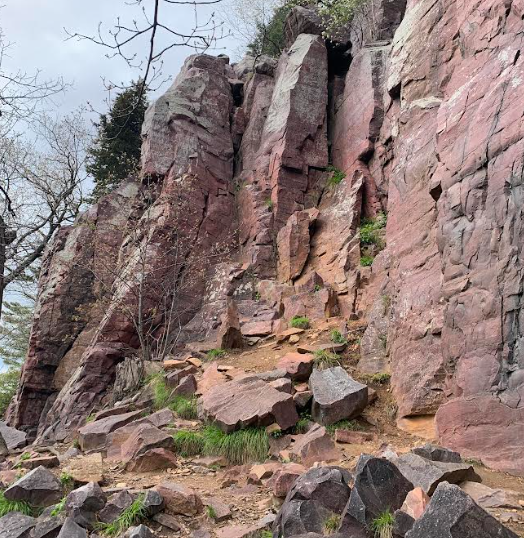
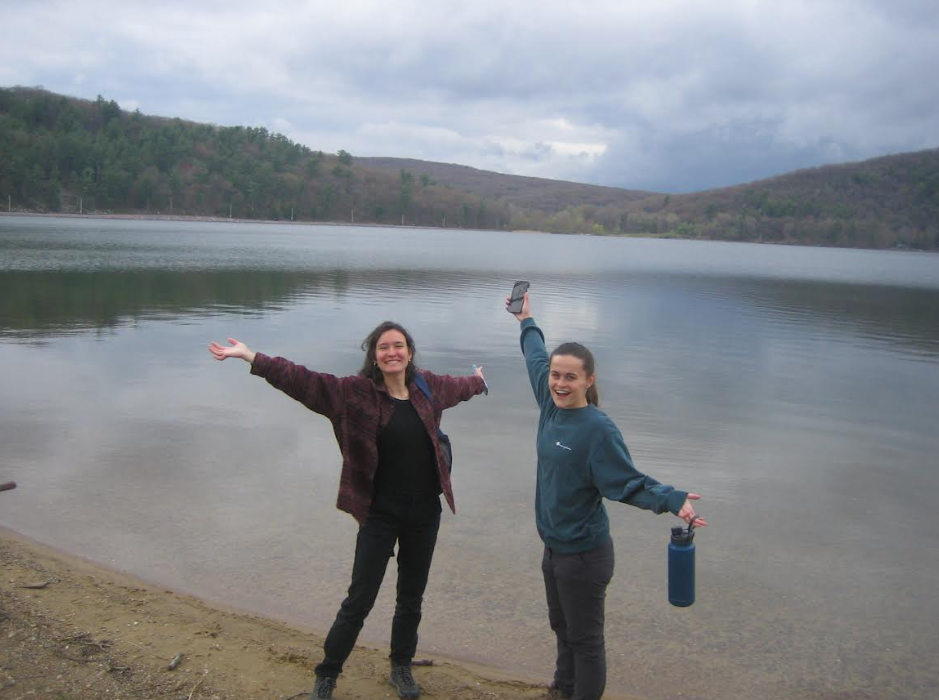
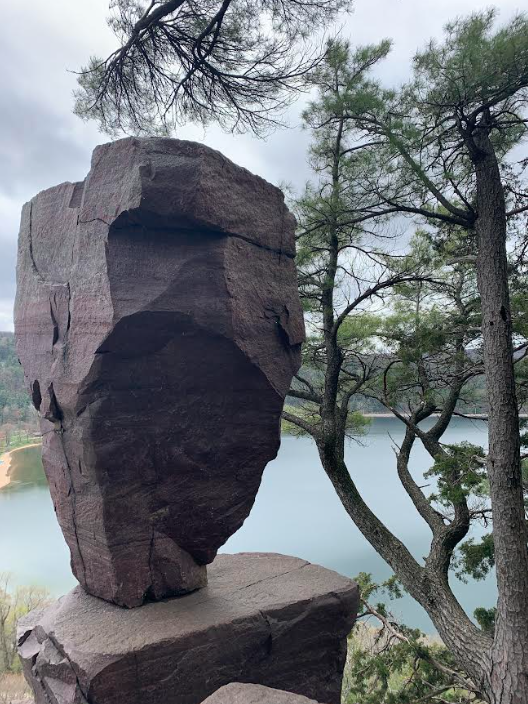
This state park has camping as well as flat and steep hiking to choose from. If you opt for the higher elevation hike, you can expect to scale the rock steps for the chance to see Balanced Rock and Devil’s Doorway rock formations. This is where my friends and I stopped for a snack while we watched turkey vultures in the sky, a woodchuck hiding in the rocks, and took in the view. The flat hike will take you around Devil’s Lake to see the pink and purple Baraboo Quartzite rock bluff edge and the lake from every angle. If you like the rock formations and water features Devil’s Lake State Park has to offer, be sure to explore more of the nearby Wisconsin Dells area.
9. Maquoketa Caves State Park
Maquoketa, IA
Distance from Severson Dells: 100 miles, 2 hours
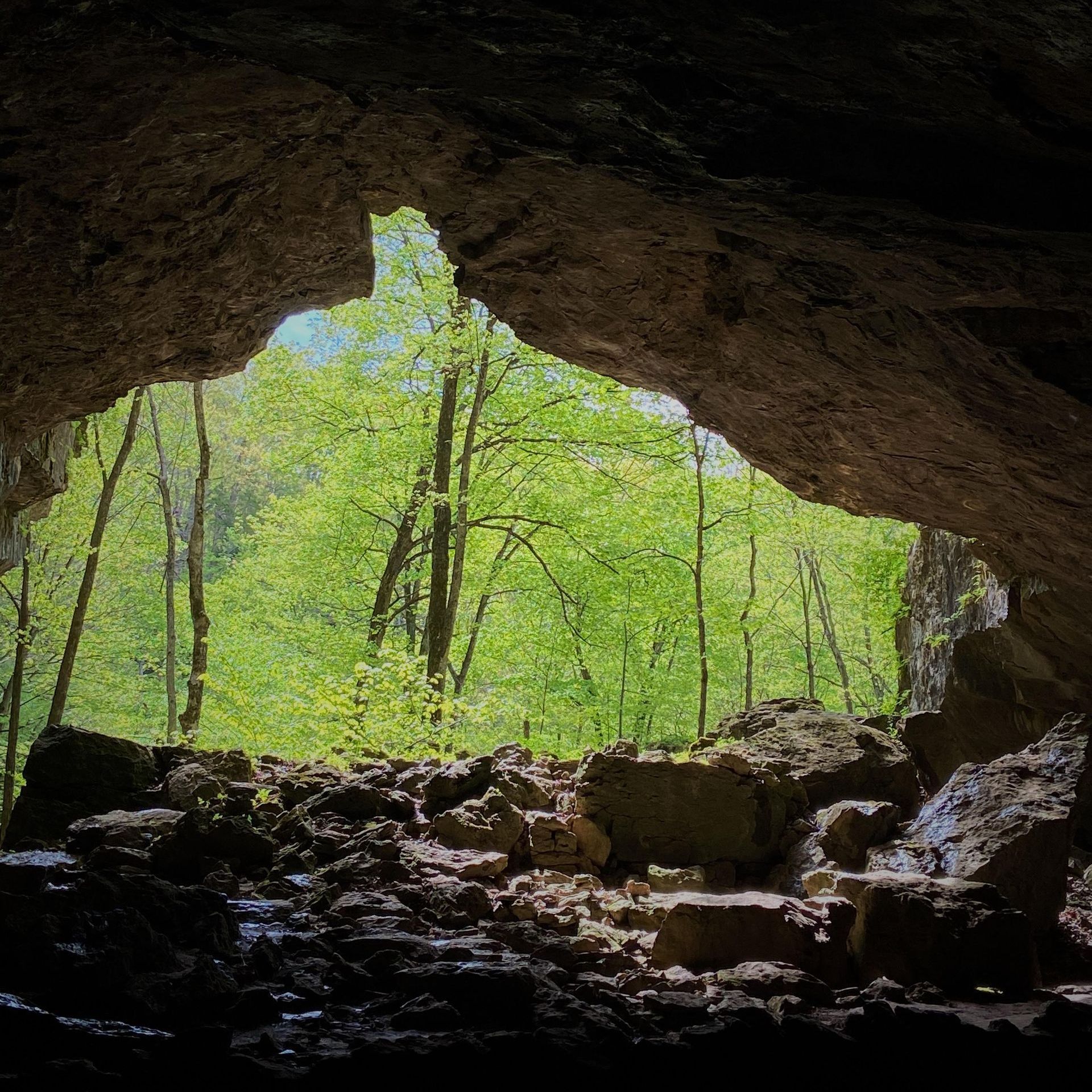
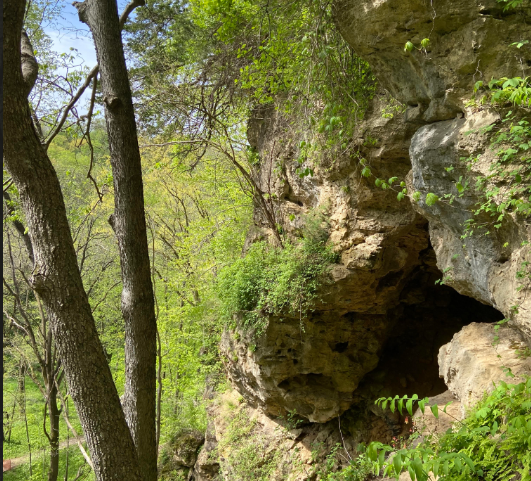
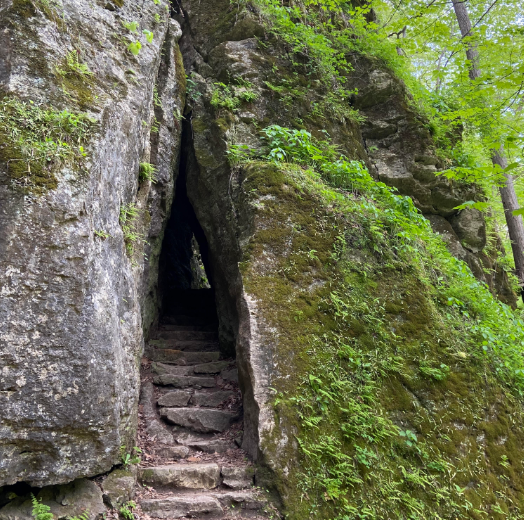
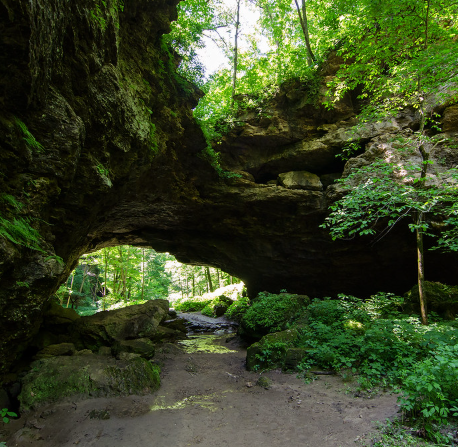
Maquoketa Caves State Park is truly a natural beauty with its 6 miles of hiking trails winding through geologic formations that include bluffs, the natural land bridge, a balanced rock, and 13 caves that you can explore on your own. The caves range in accessibility from walking through them to expert-level exploration by crawling in tight spaces. Be sure to grab your hiking boots, flashlight, and possibly some knee pads before embarking on this adventure, depending on your preferred level of accessibility. Check with park signage and guidelines on how you can prevent the spread of white-nosed-bat syndrome during your visit!
10. Indiana Dunes National Park
Porter, IN
Distance from Severson Dells: 140 miles, 3 hours
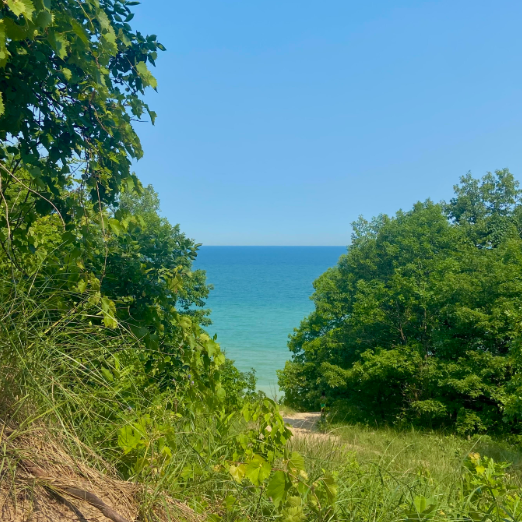
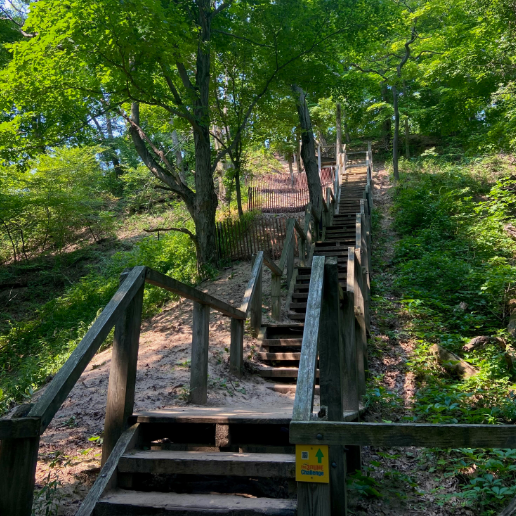
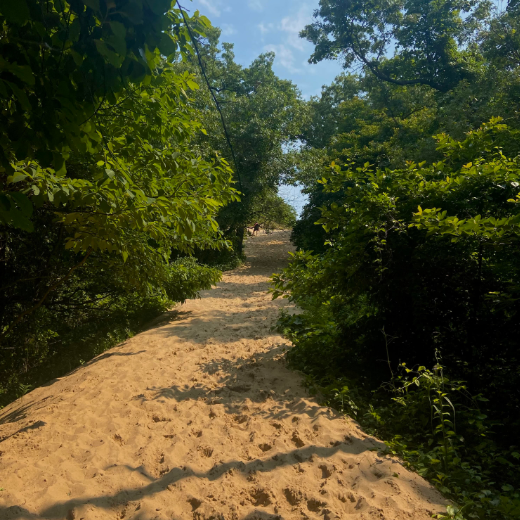
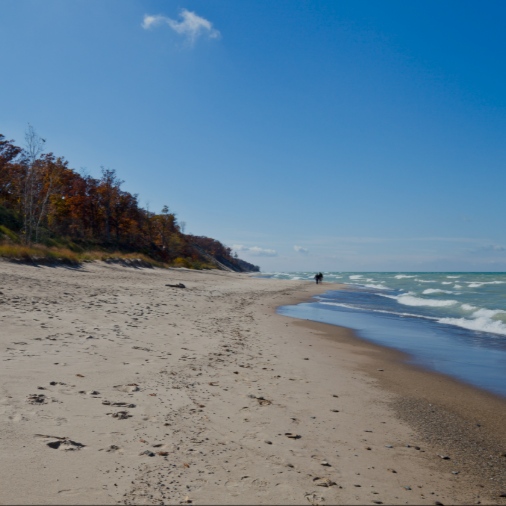
Visit Rockford’s closest national park to see a beautiful collage of sandy dunes, wetlands, prairies, and woodlands, all of which are heavily influenced by Lake Michigan. Speaking of Lake Michigan, Indiana Dunes National Park makes up 15 miles of the Indiana coast on the lakefront. To enjoy the various habitats and specialized bird and plant biodiversity in the area, you can walk some of the 50 miles of trails or camp to extend your exploration.
With a copious amount of places to explore and surprises to be discovered around every corner, it's no wonder these are considered the natural wonders of the Midwest. The weather is getting warmer, and the call to be outdoors is growing louder, so it is the perfect time to check out some of these locations. Where will you explore the natural world next?
Sources

RECENT ARTICLES