FIELD NOTES BLOG
All About Bugs!
When you think of summer in Illinois, you might picture swaying prairie grasses, tall oak trees, and, if you’re outside long enough, bugs. From the fireflies that light up July evenings to the pesky mosquitoes biting your ankles during a bonfire, insects are an inescapable part of our landscape. But they’re not just a buzzing background, bugs play essential roles in our ecosystems, gardens, and food systems. While some invasive insects threaten local biodiversity, most bugs are crucial contributors to a healthy environment. Insects are often overlooked– or worse, feared–but many are performing essential ecological services every day, and they deserve our thanks!
What Is a Bug?
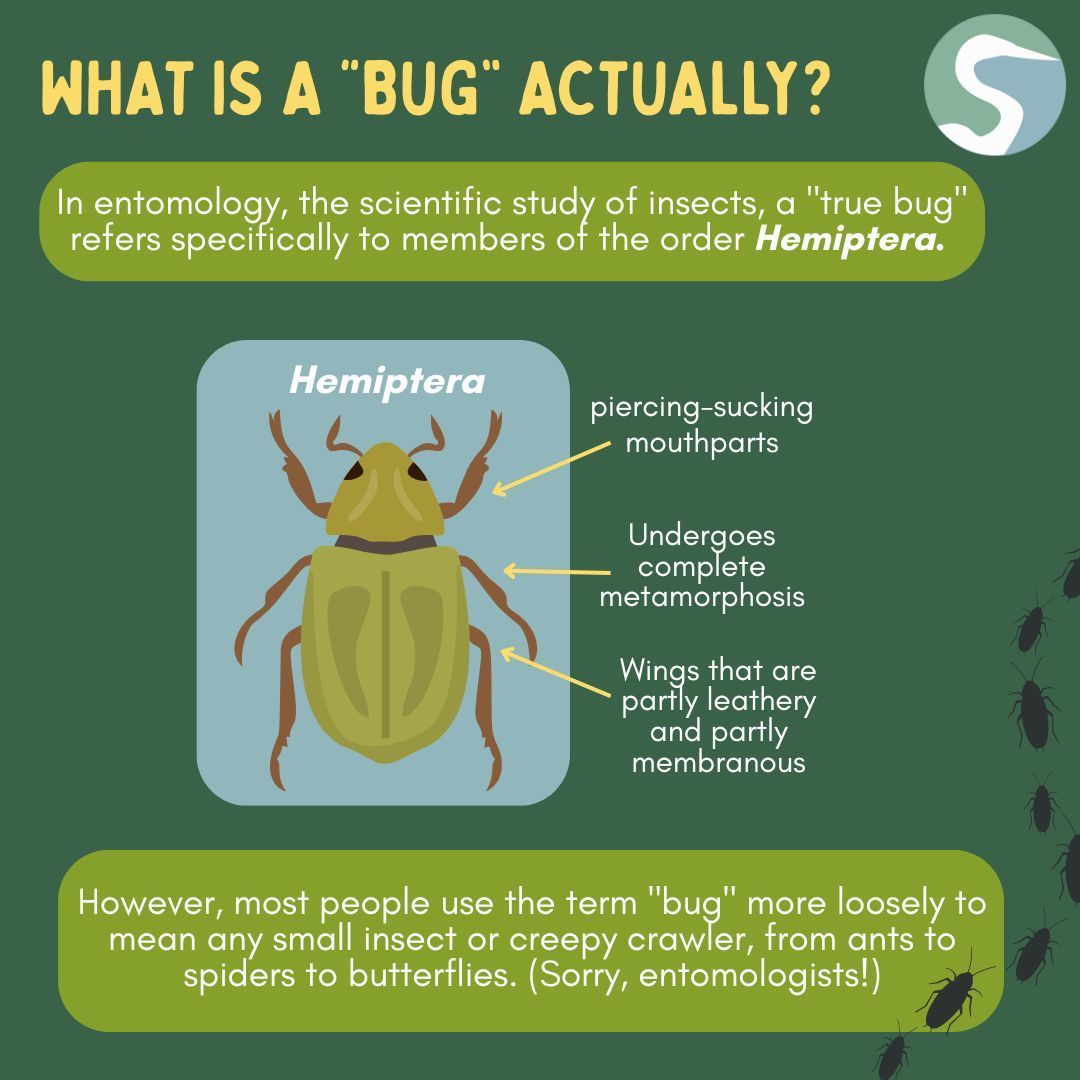
What a “bug” is depends on who’s asking. In entomology, the scientific study of insects, a "true bug" refers specifically to members of the order Hemiptera. These insects have specialized piercing-sucking mouthparts and undergo incomplete metamorphosis, meaning their young (called nymphs) look like smaller versions of adults and develop without a pupal stage. Examples include cicadas, aphids, and stink bugs.
However, most people use the term "bug" more loosely to mean any small insect or creepy crawler, from ants to spiders to butterflies. For the purpose of this blog, we’ll go with the colloquial and more casual definition of “bug” to include insects and even arachnids like spiders (sorry, entomologists!).
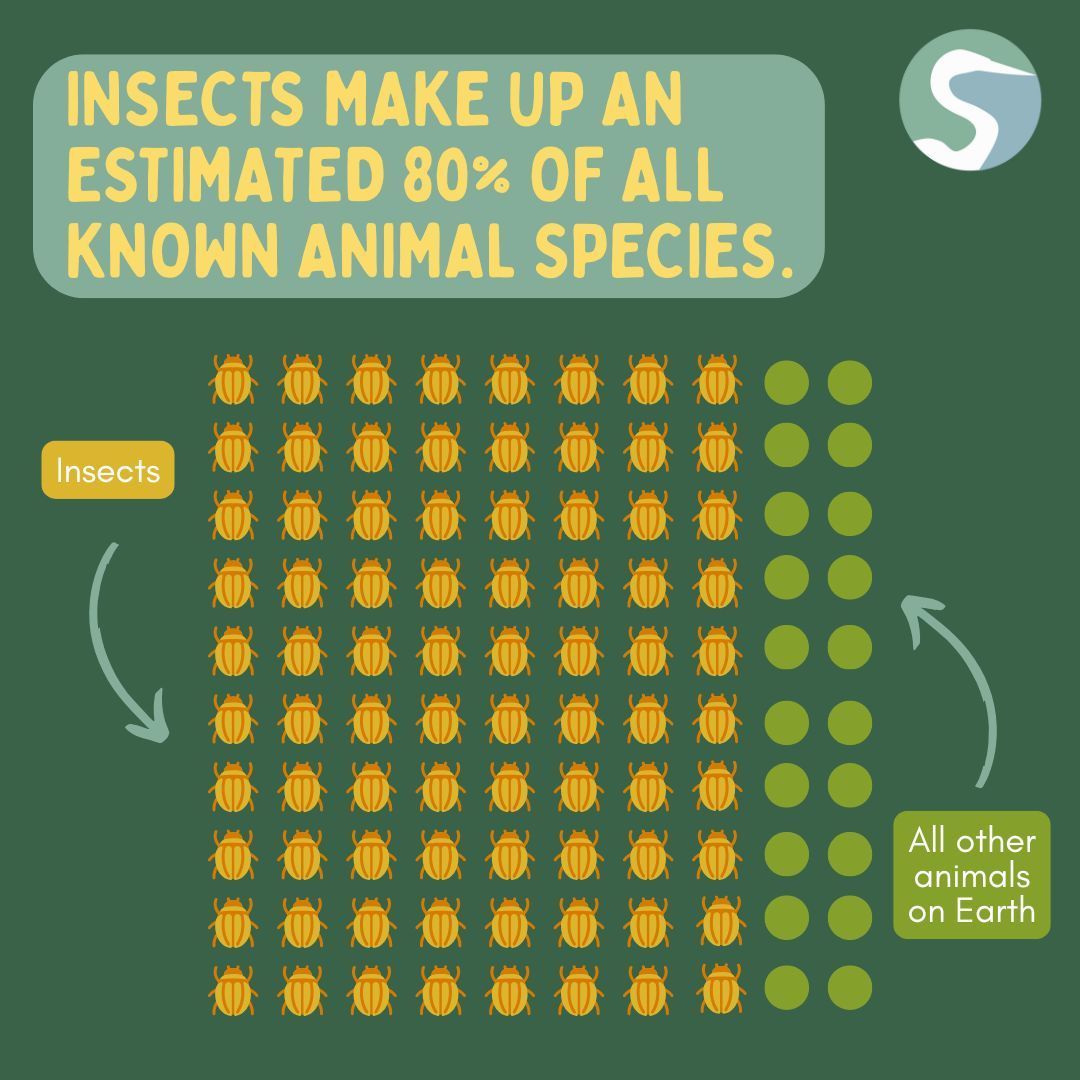
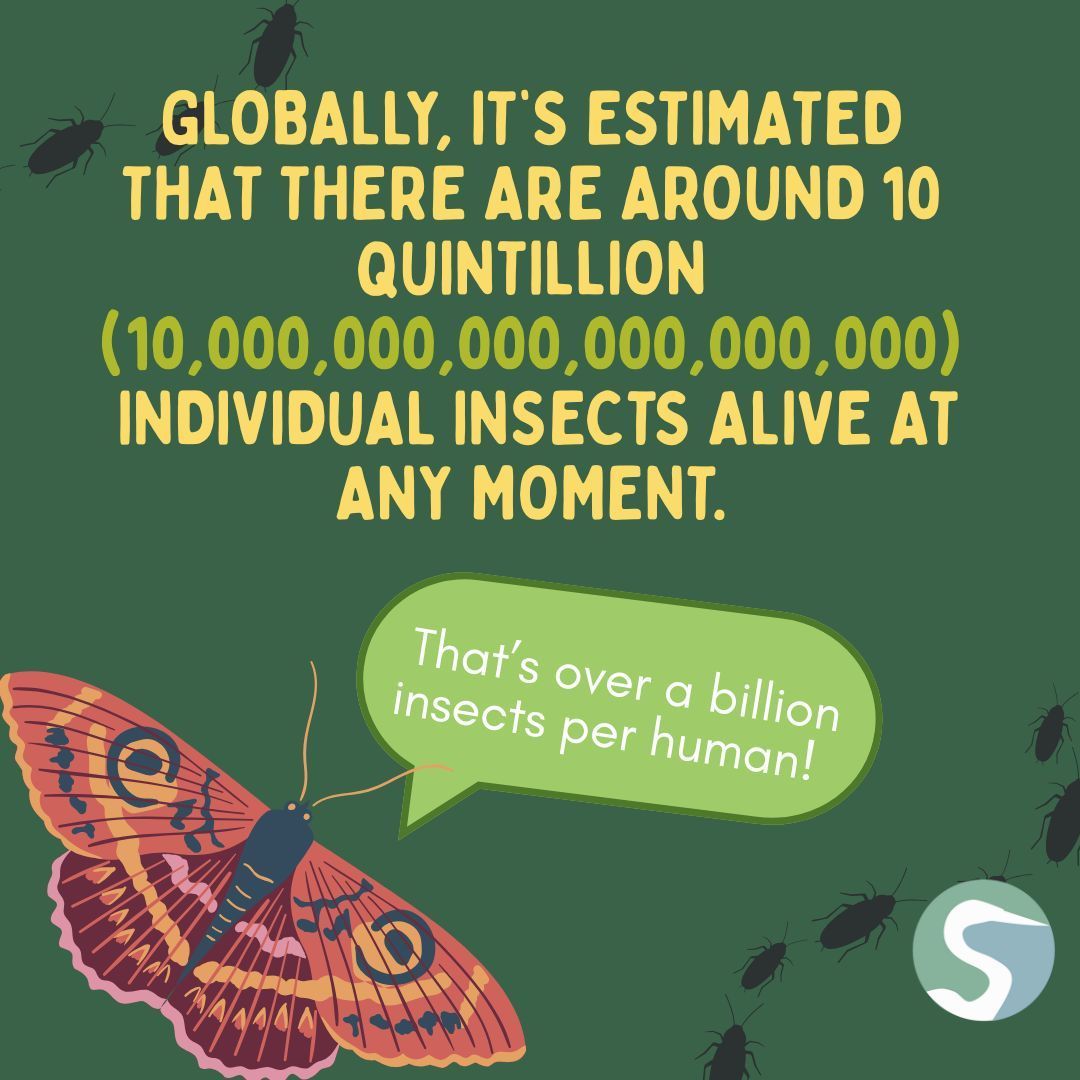
Insects make up an estimated 80% of all known animal species. Scientists have described around 1 million insect species so far, but the true number is likely closer to 5 million or more. Globally, it’s estimated that there are around
10 quintillion (10,000,000,000,000,000,000) individual insects alive at any moment. That’s over a billion insects per human! Insects are not just numerous, they're ancient, diverse, and adaptable. They thrive in deserts, forests, lakes, cities, and have for millions of years.
It’s easy to think of bugs as pests, something to swat, spray, or avoid. But the truth is far more complex and fascinating. Every native species, including bugs, is part of an intricate ecological network. Insects pollinate plants, decompose organic matter, aerate soil, and serve as food for birds, amphibians, reptiles, and mammals. Even insects we might not love, like flies or beetles, have ecological jobs that keep our world running smoothly. Without insects, ecosystems would unravel. Let's take a look at some of the crucial roles that bugs play:
Pollination:
There is a lot of buzz about pollination and pollinators in the environmental world, and rightfully so. Pollinators are essential to the survival of flowering plants and the production of food. Over 85% of flowering plant species depend on animals for pollination, and most of those animals are insects. In agriculture, about three-quarters of crops require pollinators to some degree. Globally, the value of insect pollination is estimated at over $235 billion annually.
Honeybees are well-known pollinators, contributing an estimated $15 billion to U.S. crop production annually. But wild, native pollinators often do the heavy lifting. Bumblebees are more effective at pollinating tomatoes, and certain solitary bees specialize in crops like squash or blueberries. Moths and beetles pollinate plants that bloom at night or have more closed flowers. Even flies (like the hoverfly) are important, especially in colder or urban environments where bees may be less active. Without pollinators, we would lose many of the fruits, vegetables, and nuts we rely on, and the wildlife that depends on those plants would suffer, too.
It's not just flying insects that pollinate either. Ants carry seeds to their nests, where many sprout in nutrient-rich soil. Beetles, too, move seeds as they travel. These behaviors contribute to plant diversity and regeneration, especially in forests and grasslands.
Pest Control
Bugs like ladybugs, lacewings, hoverflies, and parasitic wasps may be small, but they’re mighty when it comes to pest control. A single ladybug can eat up to 5,000 aphids in its lifetime. Hoverfly larvae feast on soft-bodied insects like mealybugs and scales. Parasitic wasps lay their eggs inside harmful caterpillars, and their young feed on the host from the inside out, whereas many dragonfly species can be biological controls for disease-carrying mosquitoes. Bugs really are nature’s own version of pest management!
Using these insects in gardens and farms reduces the need for chemical pesticides, which can harm beneficial species and pollute water sources. Even spiders (technically arachnids, not insects) deserve credit. They’re the quiet, patient predators in your garden or basement, helping to keep mosquito and fly populations in check.
Soil Health and Decomposition
Insects are nature’s recyclers. Beetles, termites, ants, springtails, and countless others break down dead plant material, animal remains, and waste. Their activity returns essential nutrients to the soil, enriching it for plant growth. Dung beetles, for example, bury and consume animal feces, preventing disease spread and fertilizing the soil in the process. Their work is so important that in some places, their disappearance would cost agriculture millions of dollars per year in lost ecosystem services.
Food for Wildlife (and Sometimes Us!)
Insects are the foundation of many food chains. Birds, bats, fish, amphibians, and reptiles rely heavily on insect protein. During the breeding season, a single pair of chickadees may feed their young more than 6,000 caterpillars. When insect populations decline, the consequences ripple across the ecosystem. Fewer insects mean fewer birds, fewer frogs, and eventually, fewer everything.
And yes, humans also eat insects. Over 2 billion people worldwide regularly consume insects like crickets, grasshoppers, and beetle larvae as sustainable sources of protein. Even here in the U.S., edible insect products are slowly becoming more common– think cricket protein bars or roasted mealworms. Let’s not forget honey, one of the most popular insect-derived foods. In 2023, U.S. honey production totaled about 125 million pounds.
Silk and Other Products
Silkworms (Bombyx mori) have been domesticated for thousands of years, producing the luxurious fibers used in clothing and textiles. Today, China remains the largest producer, creating over 30,000 tons of raw silk annually. Other insects provide dyes, shellac, and waxes used in everything from cosmetics to furniture polish.
Medical and Scientific Contributions
Insects have been central to scientific research. Maggot therapy, which is the use of fly larvae to clean wounds, has helped heal infected tissue where antibiotics fail. Spider silk has inspired ultra-strong synthetic fibers. Insect vision and wing structure have influenced camera technology, robotics, and drone design. Some researchers are even studying bee behavior to model patterns of decision-making and communication in artificial intelligence systems.
When Bugs Become a Problem
Of course, not all bugs are beneficial, especially invasive species that disrupt local ecosystems. In northern Illinois, Japanese beetles and emerald ash borers are two major culprits.
Japanese beetles (Popillia japonica) eat the leaves of more than 300 plant species, often leaving behind a lace-like skeleton of veins. If you’re a gardener, you are likely familiar with this unwanted visitor, which often wreaks havoc on vegetable gardens. If you’re not a gardener, maybe you've felt their effects in your lawn. Japanese beetle larvae damage turfgrass by feeding on roots, leading to brown, patchy lawns.
Emerald ash borers (Agrilus planipennis) have killed tens of millions of ash trees across the Midwest. By boring under the bark, they cut off the tree’s water and nutrient flow, usually killing it within 3–5 years. This has dramatically changed Illinois’ forest structure and led to costly removals in urban areas.
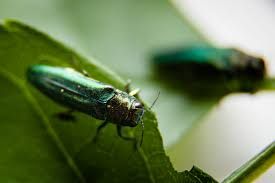
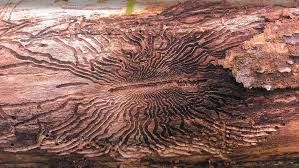
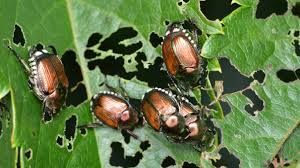
Emerald ash borer, tree destructed by Emerald ash borer, Japanese beetles
Why Bug Knowledge Matters
Understanding bugs, both the helpful and the harmful, is essential for maintaining healthy ecosystems and managing our gardens, farms, and cities sustainably. We need bugs. They support biodiversity, which strengthens ecosystem stability, and a diversity of insect life ensures that if one species declines due to disease or climate change, others can take over its role. This redundancy acts like a safety net for nature, supporting everything from pollination to decomposition to pest control. Whether you're planting a pollinator-friendly garden or learning how to identify invasive species, small actions can have a big ecological impact.
So next time you see a six-legged visitor in your yard, pause before you reach for the flyswatter. That “bug” might just be a pollinator, a predator of pests, or a crucial link in the food chain. Learning about bugs helps us become better stewards of the natural world, and perhaps even more curious and compassionate humans.
Sources:
5 Ways Insects Make Our World A Better Place - National Environmental Treasure
Numbers of Insects (Species and Individuals)- The Smithsonian Institute
What are insects and why do we need them?-Penn State Huck Institutes of the Life Sciences
Who Are The Pollinators?-Xerces Society
Bees, birds, butterflies, bats: NSF helping keep pollinators, bioeconomy healthy- National Science Foundation

RECENT ARTICLES