FIELD NOTES BLOG
Wild about Wildflowers
Come on a journey through the woods and prairies in search of wildflowers!
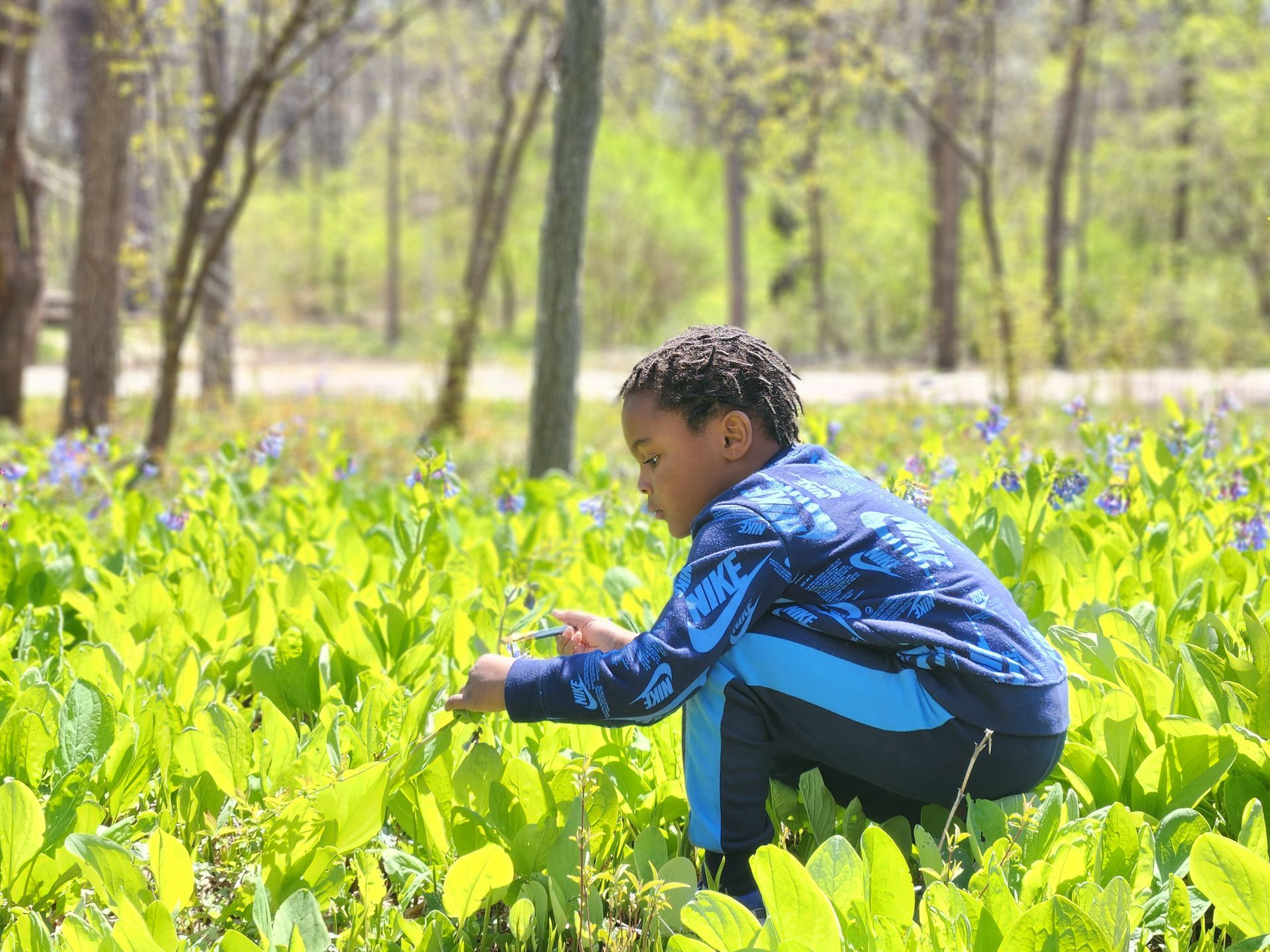
Spring is a magical time as the snow begins to melt, and the landscape slowly returns to all its colorful glory. After a few months of grays, browns, and whites, the landscape starts to transform into a vibrant tapestry of colors. There's no better time to journey through the wonderful world of spring wildflowers in northern Illinois. From woodlands to prairies, Illinois boasts diverse habitats that come alive during the spring season. Let's take a closer look at some of these wildflowers that adorn the Illinois landscape during arguably the best time of year!
Click on each flower below to learn more!
Skunk Cabbage (Symplocarpus foetidus)
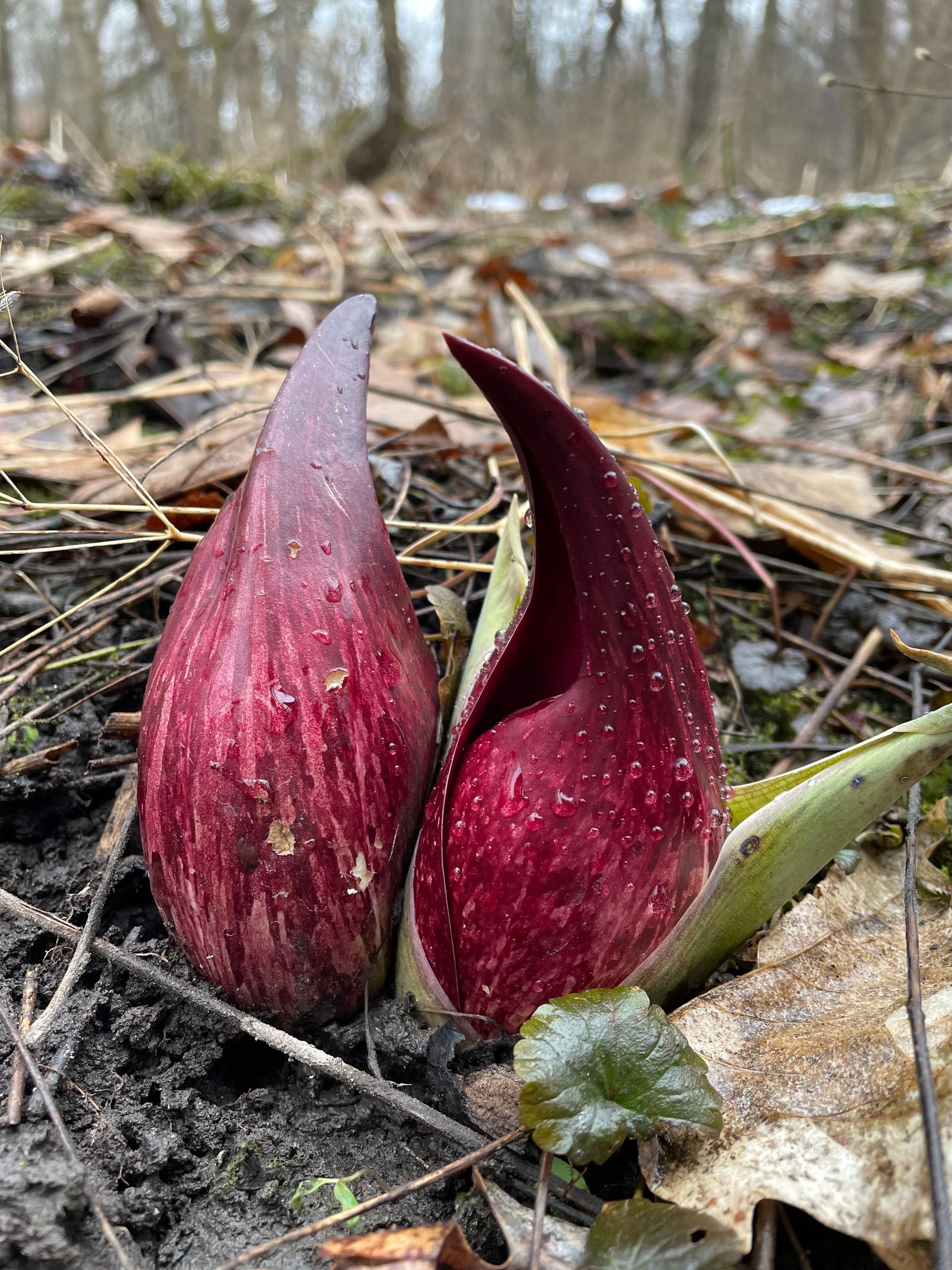
In the early days of spring, when the ground is still thawing and the air is filled with the promise of warmer days ahead, skunk cabbage emerges as one of the first wildflowers. Despite its less-than-appealing name, skunk cabbage boasts a fascinating biology and unique beauty. Its large, hooded purplish spathe surrounds a yellow spadix and emits a pungent odor, reminiscent of its namesake, to attract pollinators. Found in low-lying, wet areas, skunk cabbage is a true messenger of spring, signaling the awakening of the natural world. After a few weeks, its large green leaves appear.
Virginia Bluebells (Mertensia virginica)
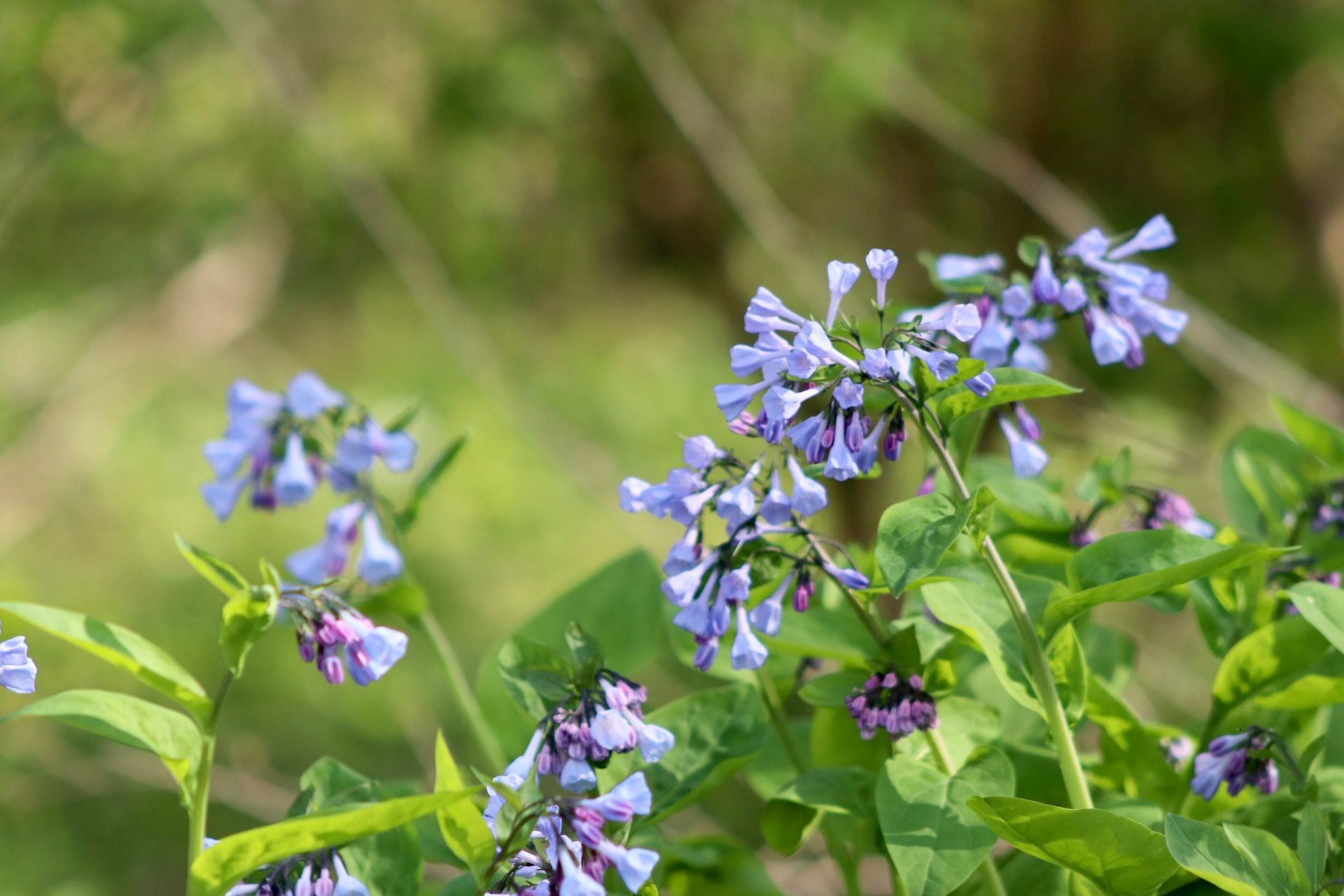
One of the most iconic spring wildflowers in Illinois, bluebells blanket woodland floors with their delicate, bell-shaped blooms. These stunning flowers, ranging from pale blue to vibrant violet are a sight to see. Look for them in shady, moist areas along streams and in woodlands throughout the state. In the Rockford area, this author feels that the best place to see them is Deer Run Forest Preserve!
Prairie Trillium (Trillium recurvatum)
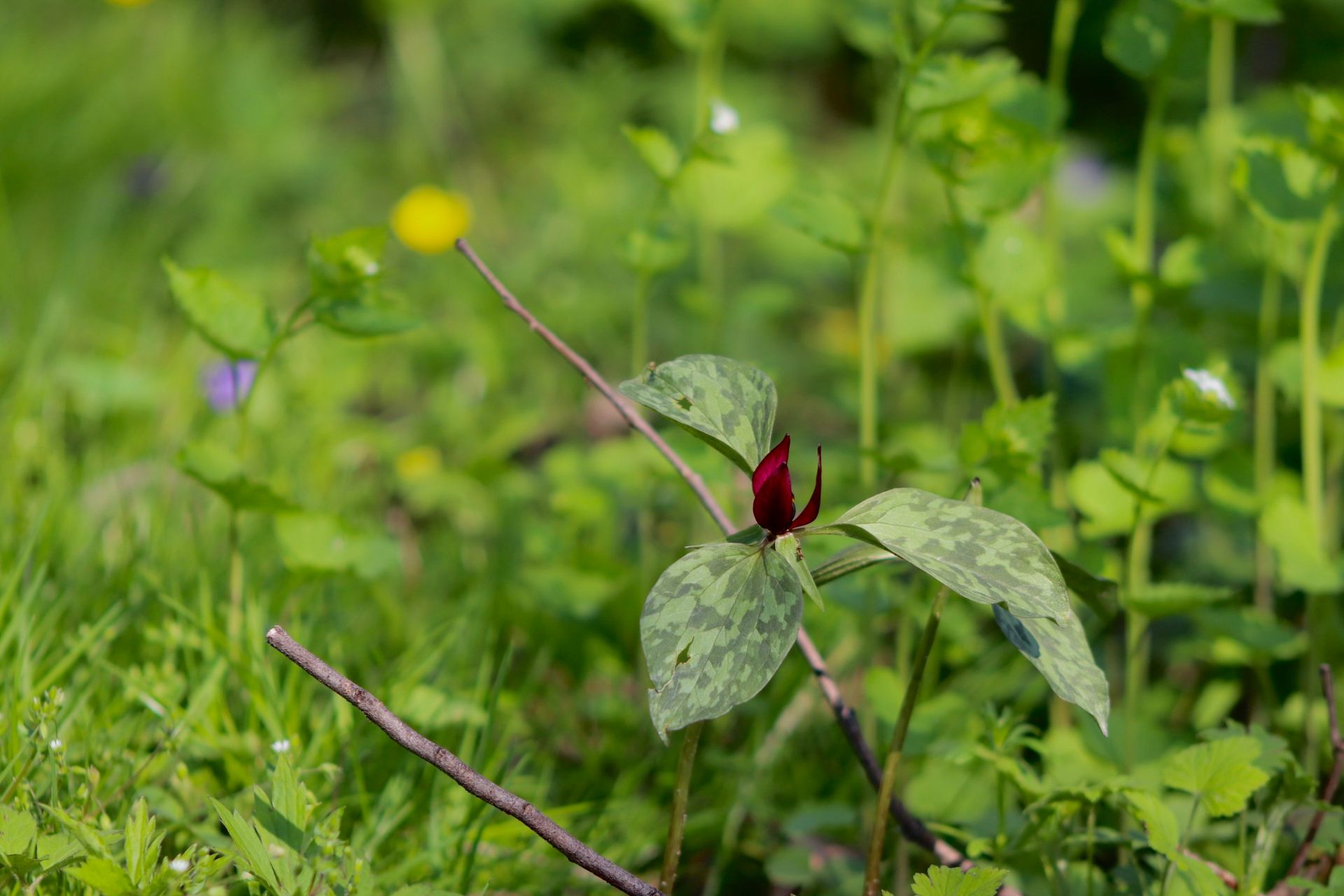
A sure sign of spring is when the prairie trillium unfurls its three-petaled, maroon flowers in April and May, carpeting the forest floor with splashes of color. This native wildflower thrives in rich, moist soils and can be found in woodland habitats across Illinois. While its blooms may be fleeting, the sight of prairie trillium in full bloom is a sure sign that spring has arrived.
Dutchman's Breeches (Dicentra cucullaria)
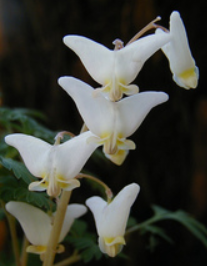
Named for their resemblance to tiny pairs of pants hanging upside down on a clothesline, Dutchman's breeches are a whimsical addition to Illinois' spring wildflower lineup. These delicate white flowers with yellow-tipped spurs can be found in moist, wooded areas, often in the company of other early spring ephemerals.
Bloodroot (Sanguinaria canadensis)
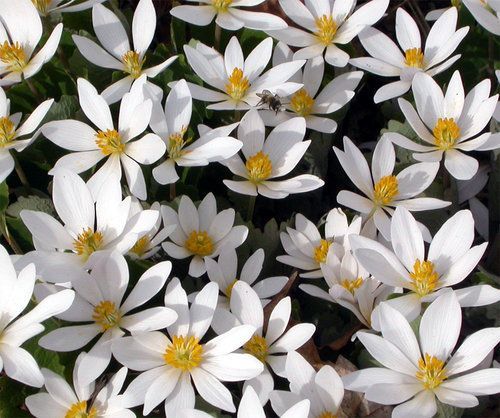
Named for its red sap, bloodroot is a striking wildflower that emerges in early spring, typically before the trees leaf out. Its pristine white flowers stand out against the backdrop of the forest floor. Bloodroot is often found in rich, moist woods and is cherished for both its beauty and medicinal properties.
White Fawn Lily (Erythronium oregonum)
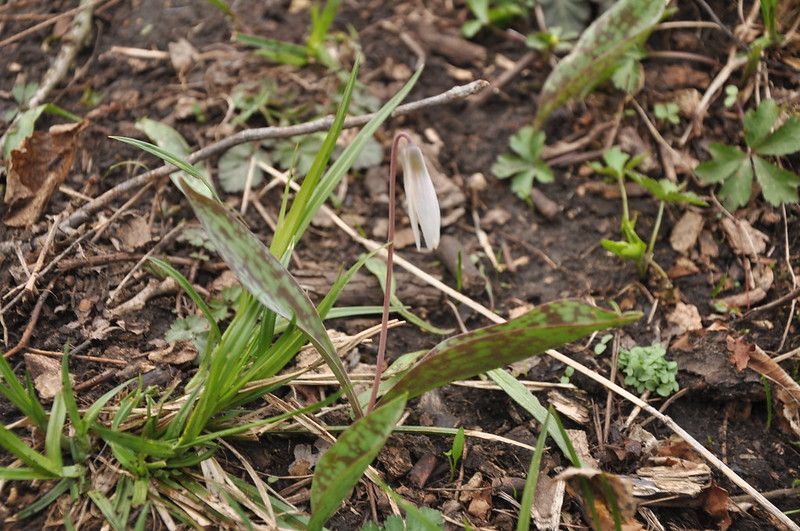
The leaves of the white fawn lily resemble the markings of a trout. The white fawn lily is a charming spring ephemeral that dots the forest floor with its delicate blooms. This native wildflower blooms in early to mid-spring, typically before the trees leaf out, creating a stunning display of pale white flowers in woodlands and shaded ravines throughout Illinois. While each flower lasts only a few days, the sheer abundance of lilies in bloom is a sight to behold. A fun fact about Trout Lilies is that a plant needs to be 4-7 years old before sending up its first flower!
Wild Bergamot (Monarda fistulosa)
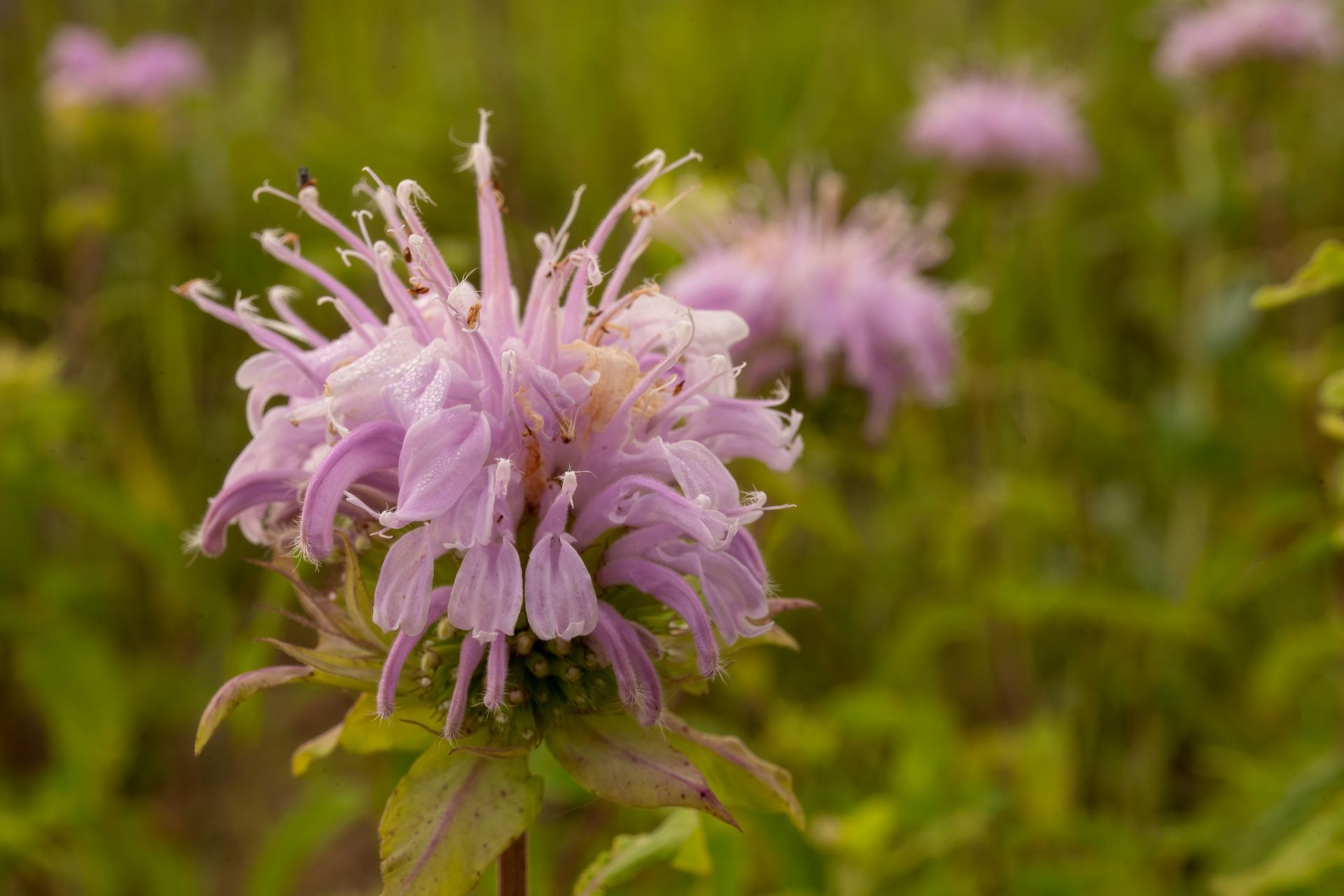
Also known as bee balm or horsemint, wild bergamot is a wildflower that thrives in prairies, meadows, and open woodlands throughout Illinois. With its clusters of lavender-pink flowers atop tall, square stems, wild bergamot is a favorite among pollinators, including bees, butterflies, and hummingbirds. In addition to its ornamental value, wild bergamot has a long history of medicinal and culinary uses, making it a versatile and valuable plant for both humans and wildlife.
Prairie Smoke (Geum triflorum)
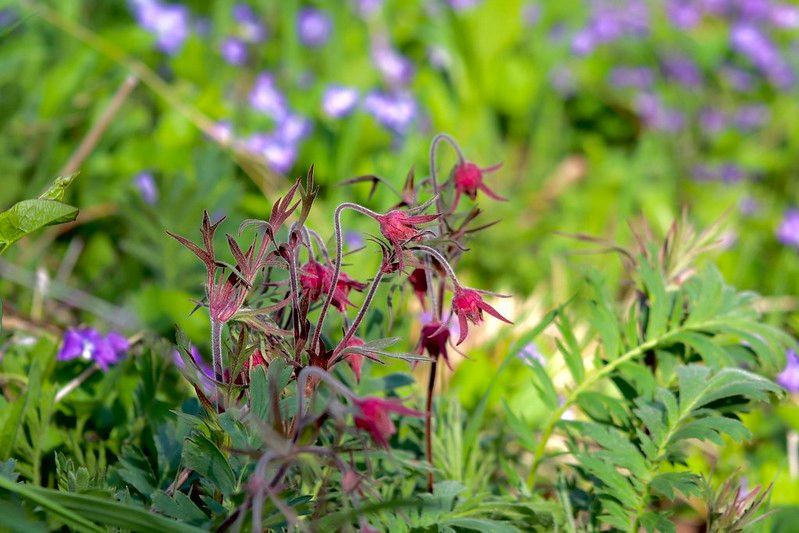
As spring transitions into summer, the prairies of Illinois come alive with the delicate beauty of prairie smoke. Named for its wispy, pinkish-purple flowers that resemble plumes of smoke rising above the grasses, this charming wildflower adds a touch of class to the prairie landscape. Prairie smoke blooms in late spring to early summer. Beyond its ornamental value, prairie smoke also serves as an important food source for native pollinators, making it a valuable addition to Illinois' ecosystem.
Pasque Flower (Anemone patens)
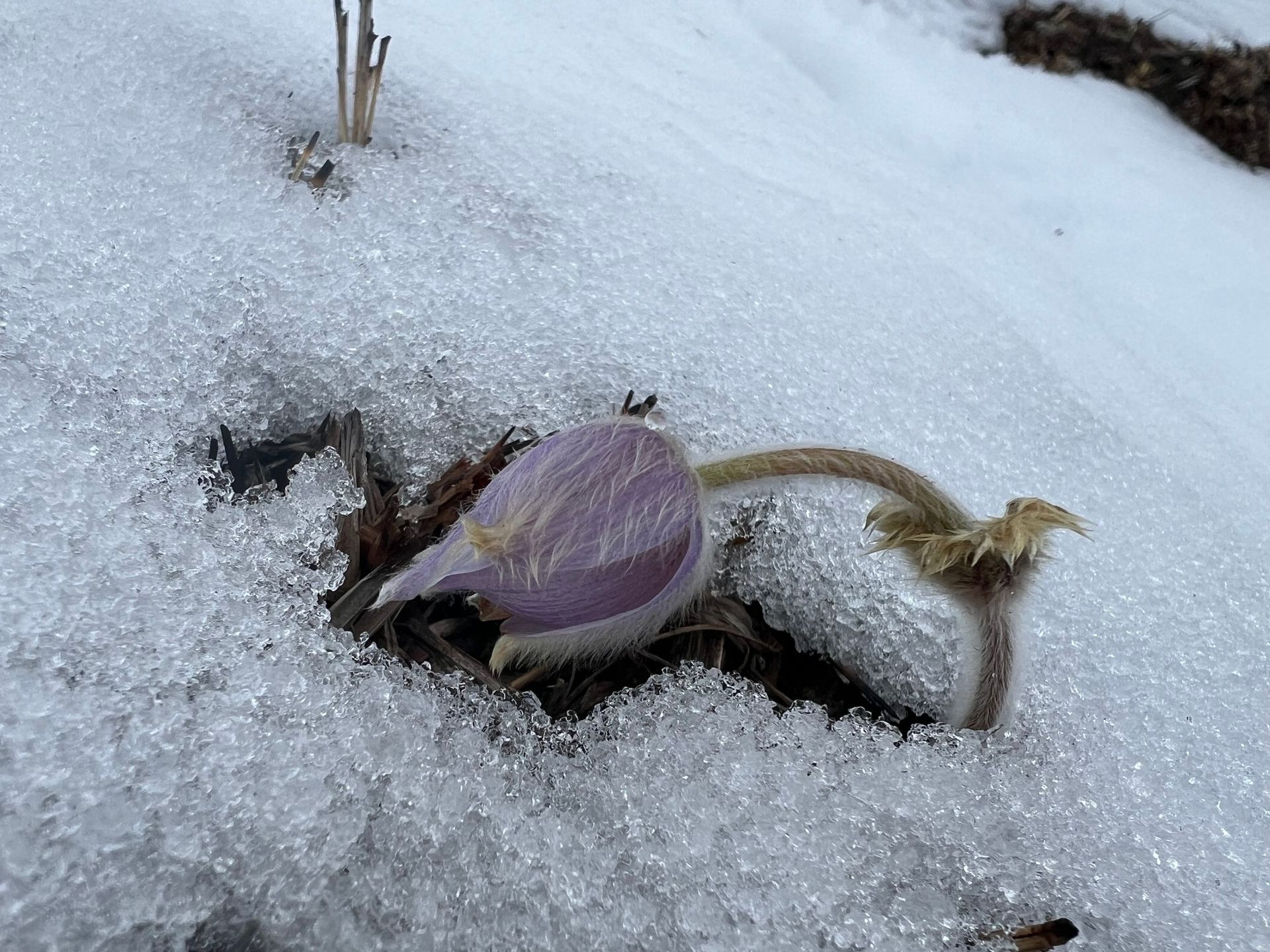
As winter loosens its grip and the prairies of Illinois begin to stir, the pasque flower emerges. With its violet-blue petals and golden stamens, the pasque flower is a sight to behold against the backdrop of the prairie landscape. Blooming in early spring, often before the grasses have begun to green, this hardy wildflower thrives in well-drained, rocky soils and open grasslands. In addition to its striking beauty, the pasque flower holds cultural significance, with its presence in Native American folklore as a symbol of rebirth and new beginnings.
Wild Lupine (Lupinus perennis)
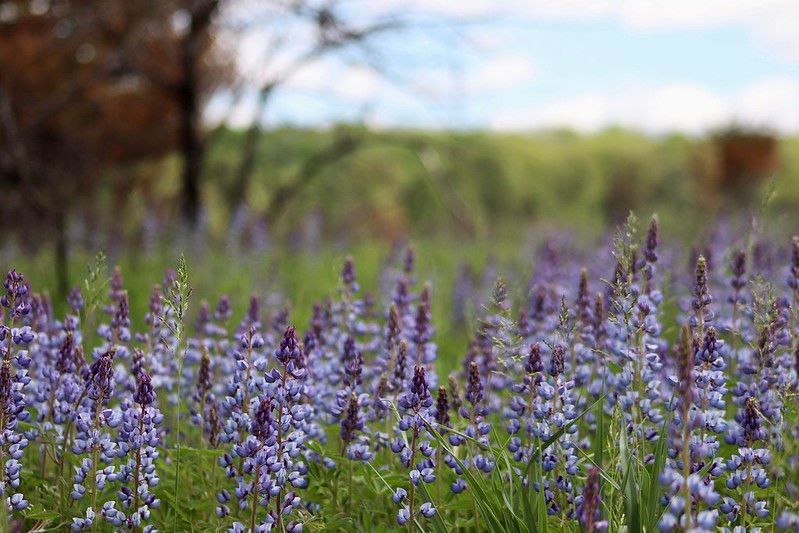
In the sandy soils and open woodlands of Illinois, the vibrant hues of wild lupine paint the landscape with shades of blue, purple, and pink. Known for its distinctive palmate leaves and tall spikes of pea-like flowers, wild lupine is a sight to behold in late spring to early summer. This native wildflower plays a vital role in supporting the larvae of endangered Karner blue butterflies, making it an essential component of Illinois' ecosystem.
As the days grow longer and the temperatures rise, Illinois' spring wildflowers burst forth, transforming the landscape into a panorama of natural beauty. From the delicate blooms of bluebells and bloodroot to the cheerful faces of wild geraniums and Dutchman's breeches, each wildflower adds its own unique charm to the tapestry of springtime in Illinois. So, lace up your hiking boots, grab your camera, and venture out into the wild to witness this annual spectacle firsthand. You won't be disappointed. See you on the trails!

RECENT ARTICLES