FIELD NOTES BLOG
Navigating Climate Anxiety
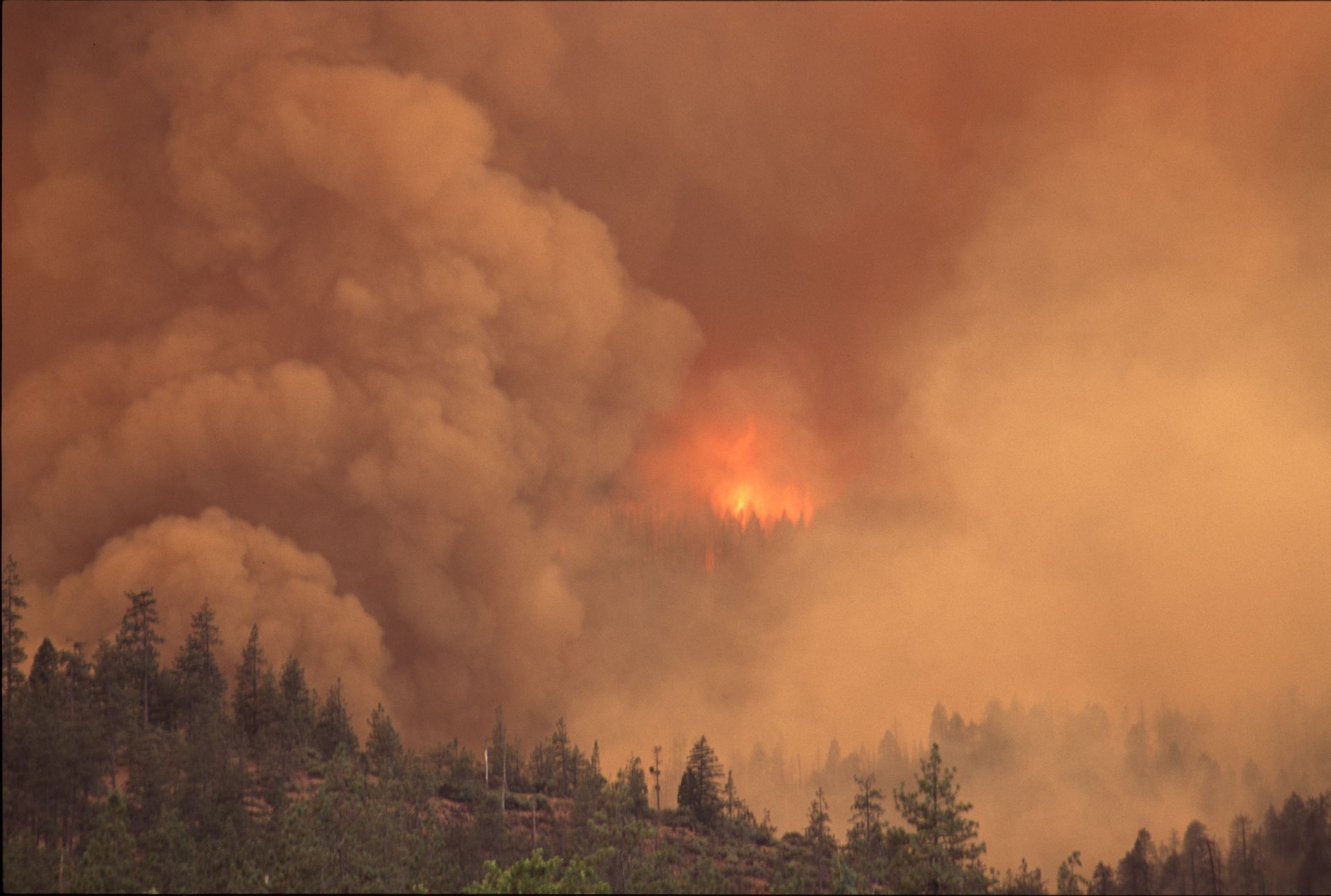
Every time you turn on the news or check social media, it seems like there’s another story about record-breaking heat waves, rising sea levels, or wildfires. It's no surprise that climate anxiety is becoming more common, especially among younger people. What used to feel like a distant threat is now an imminent issue that we’re experiencing the effects of firsthand. Climate anxiety, also known as "eco-anxiety," isn't a medical diagnosis, but rather a way to describe the stress and worry about the state of the environment. This type of anxiety involves a chronic fear of environmental disaster that can feel overwhelming and paralyzing. Climate change is a real threat that we are all affected by, and therefore it's normal to experience worry and fear about the consequences. Since there aren't many precedents of this kind of anxiety and pre-traumatic stress in the United States, it can be tough to know how to deal with it. In this blog, I want to share some tools to help you manage your own climate anxiety and support younger kids in coping with it too.
Worry can be a positive and constructive emotion because it motivates us to take action. When you worry about something, you’re driven to find solutions. In fact, we need more people to be concerned about climate change, and anxiety in the face of climate change is a healthy response to a dire situation. It’s our body’s way of giving us time to react in the face of danger. However, worry becomes a problem when it overwhelms you and stops you from living your life. A study by Lancet Planetary Health in 2021 reported that among an international cohort of more than 10,000 people, 84% of children and young adults ages 16 to 25 are at least moderately worried about climate change, and 59% are very or extremely worried. This makes sense, as children and young adults will disproportionately suffer the consequences of environmental changes. But climate change is far beyond any one person’s control, leaving people frustrated by the limits of their own capacity, and making them unable to rid themselves of resulting worry and negative emotions.
So, what should you do when you're feeling hopeless and helpless? The first and most important step is to acknowledge the reality of the situation and the validity of your anxiety. Global climate change is not a distant issue; we are in a climate crisis now. We are already experiencing, and will continue to experience, rising sea levels, longer and more intense heat waves, and extreme weather events. There are numerous environmental, social, and economic challenges we will continue to face, and the effects of climate change are irreversible. Even if we stopped all greenhouse gas emissions today, we would still experience the impact of a warming world. Simply said, climate change is the biggest threat modern humans have ever faced. It's a complex and serious issue, and your worries are valid. The scope of this problem is vast, and it's natural to be concerned. Your fears are reasonable and rational, and they’re not yours alone. This is a global issue, and many people share this worry. Talking about your worries - whether with a friend, a coworker, a loved one, or a therapist- is a helpful way to cope with your worries. It will make you feel less alone, and it can be reassuring to know that others share the feeling.
When talking to children about climate change, it's crucial to speak openly about the threat of climate change and to acknowledge their fears. Kids are intelligent and perceptive people, and if they're worried about climate change, they understand what's happening in the world. This is a positive sign; it's important to raise well-informed individuals. So avoid sugar-coating the situation, it can make children feel unimportant and invalidated. Climate anxiety disproportionately affects younger generations, and many children and young adults may already feel betrayed by older generations for leaving them with such a significant problem. By being honest, we help them feel heard, respected, and validated.
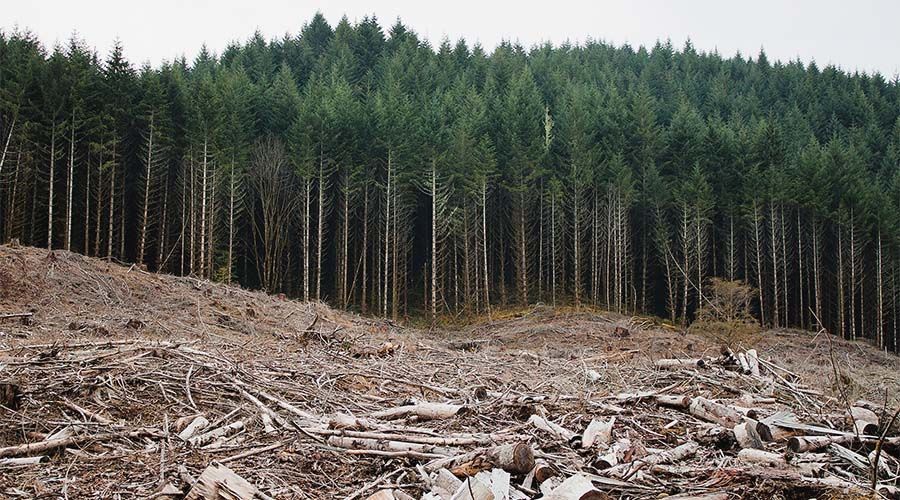
The next step is to find healthy ways to cope with your climate anxiety. Recognize that climate change is a global issue that can't be solved by one person alone; it requires collective action. This can sometimes make you feel helpless and like there is not much you can do, but remember that when many people make climate-conscious choices those actions lead to a cultural shift in the right direction. Start by educating yourself on how to reduce your environmental impact. Make informed, conscious consumer and lifestyle decisions. I find that spending time in nature can also help reduce climate anxiety and reminds me of the resilience of the natural world. Something that helps me avoid climate anxiety on a daily basis is the community that I connect with, so I would recommend getting involved in advocacy or environmental groups to surround yourself with like minded individuals. It helps to surround yourself with people who are similarly worried about these issues and are also engaging with you on solutions in whatever capacity is meaningful to you. As I like to say, think global, act local. When you find meaning in your actions, you’ll feel a greater sense of agency and self-efficacy. This empowerment to take action can be a powerful way to manage strong negative emotions.
Maria Ojala, a psychology professor at Örebro University in Sweden, recommends a coping strategy that balances negative feelings about climate change with faith in the power of social forces working to overcome it. This approach, called meaning-focused coping, draws strength from individual actions and climate beliefs while trusting that other societal actors are also doing their part. According to Ojala, this method allows negative and positive climate emotions to coexist, making it easier for young people to maintain hope for the future. Afterall, the most detrimental belief in our fight against climate change is believing that the fight is hopeless.
Climate change is an enormous issue, and it's completely normal and valid to feel overwhelmed by the scale of the problem and the immense effort required to address it. I often find myself feeling hopeless about the issue. However, I do believe that society has the capacity to make the necessary changes for a greener, more sustainable future. I find a lot of hope in my generation and the growing awareness and activism around climate issues. By acknowledging our anxiety, finding healthy ways to cope, and taking meaningful action, we can transform our worry into positive change. Remember, you're not alone in this struggle, and together, we can create a more sustainable and hopeful future for everyone.
RECENT ARTICLES