FIELD NOTES BLOG
10 Animals in Love
Love, in its myriad forms, is perhaps the most remarkable force in the universe. From the tethering familial love found in the relationship of a parent and child, the intense, passionate and all consuming nature of romantic love, to the unbreakable bond between lifelong friends and companions, love manifests itself in countless ways. As Valentine's Day approaches, it's a perfect time to celebrate the extraordinary diversity of love found in nature. Whether it's the playful courtship dances of birds, the intricate displays of devotion among mammals, or the symbiotic relationships that thrive in even the most unexpected habitats, the love intertwined throughout the animal world is nothing short of awe-inspiring. I love love, so in the spirit of one of my favorite holidays, here are some animals in love:
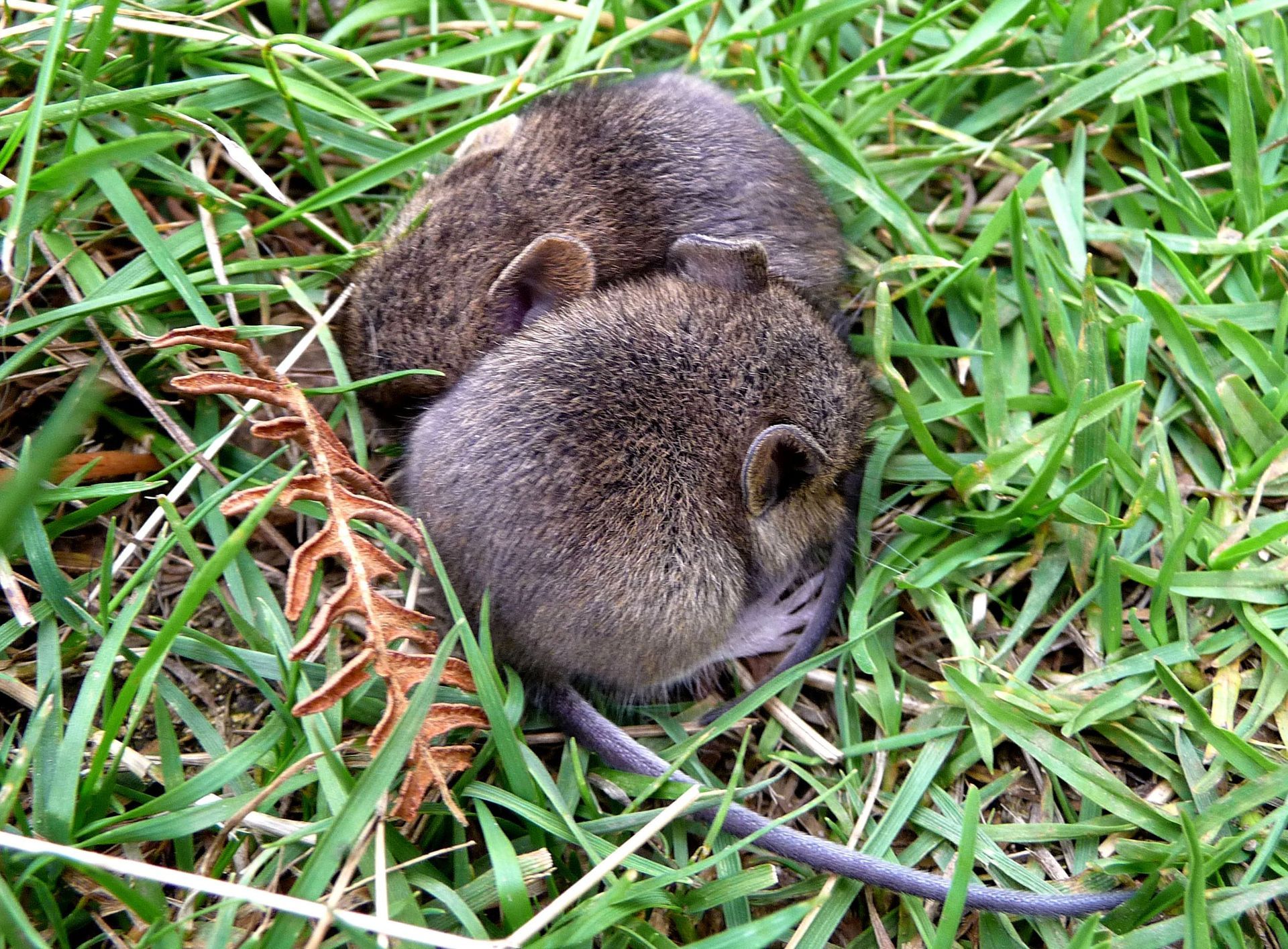
Prairie voles, courtesy of wikimedia commons
Prairie voles:
In the world of rodents, Prairie voles stand out as ambassadors of affection, as their very name, an anagram for "love," suggests. These diminutive creatures, native to the Midwest, are renowned for their inclination to settle down with a single mate, often for life—a behavior uncommon among their rodent counterparts. Once paired, Prairie voles form strong bonds, sharing nests and nurturing their offspring together. Notably empathetic, these voles are deeply affected by the well-being of their partners. Stress in one mate reverberates to the other, prompting mutual support through comforting touches and cuddles. Remarkably, the parallels between Prairie vole pair bonding and human romantic love have intrigued scientists, leading to studies aimed at unraveling the complexities of human affection.
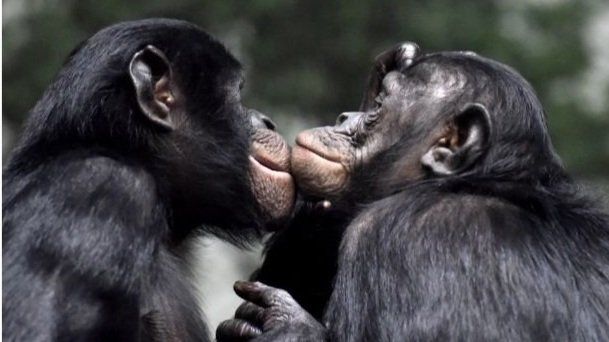
Bonobos grooming, curtesy of canva
Bonobos:
Among our closest relatives, Bonobos epitomizes the philosophy of "making love, not war." Conflict resolution in Bonobo society hinges not on aggression but on affection, both within groups and between them. Particularly valued are the bonds of friendship, with female camaraderie holding particular significance. Bonobos forge enduring friendships, often spanning decades, with a capacity to remember and mourn departed companions. Empathetic observers of others' emotional states, they offer solace to distressed friends through gestures of affection, mirroring human tendencies.
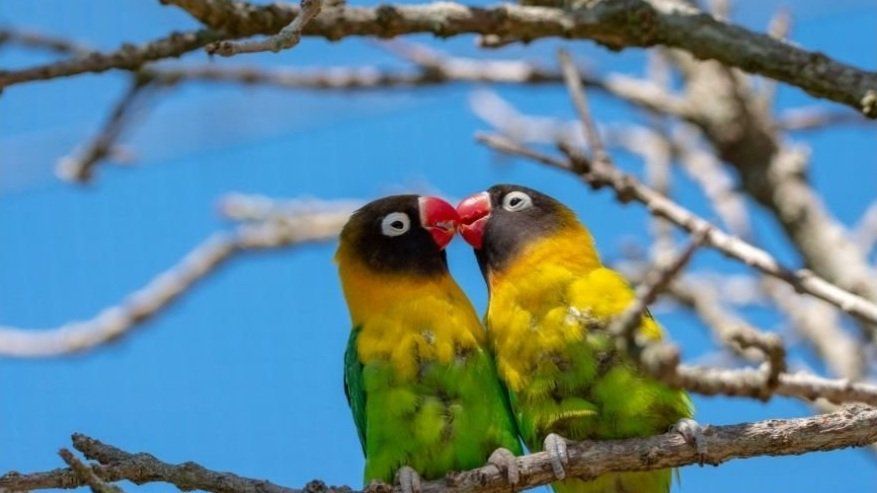
lovebirds, courtesy of canva
Lovebirds:
In the avian realm, few species embody devotion as fervently as lovebirds. These feathered companions, comprising nine distinct species, thrive on deep emotional connections, without which they struggle to survive. Lovebirds are ardent proponents of monogamy, often forming lifelong partnerships beginning in their youth. Rarely seen apart, these avian duos engage in behaviors reminiscent of human affection, such as cuddling and mutual feeding. With lifespans averaging 15 years, lovebirds spend the majority of their existence in each other's company. The loss of a mate has detrimental effects on the well being of the other mate, and often the lone lovebird will experience depression and stop eating. They truly beg the question, what is life without love?
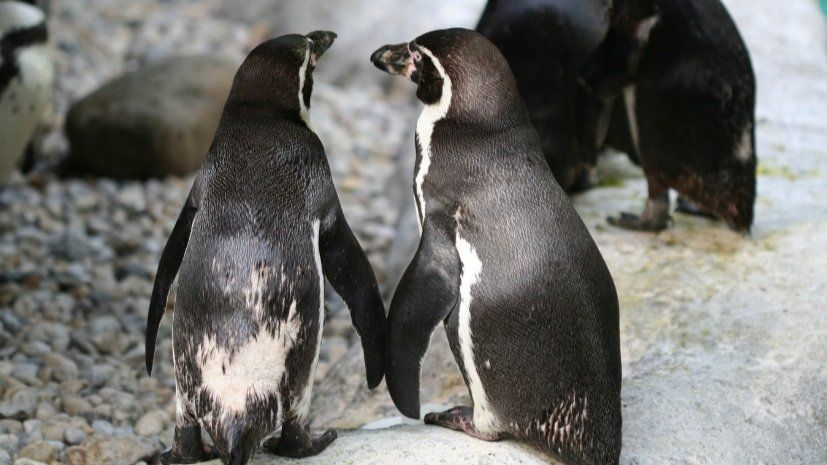
penguins, courtesy of canva
Penguins:
Love knows no bounds in the world of penguins, where affection transcends gender distinctions. Homosexuality is an important, common, and accepted aspect of penguin communities, with both male and female pairs exhibiting similar parental responsibilities. Despite reproductive barriers, same-sex penguin couples demonstrate remarkable parenting skills, often adopting surplus eggs to nurture and raise as their own. Through such inclusive practices, penguins challenge conventional notions of family dynamics and offer lessons in tolerance and compassion.
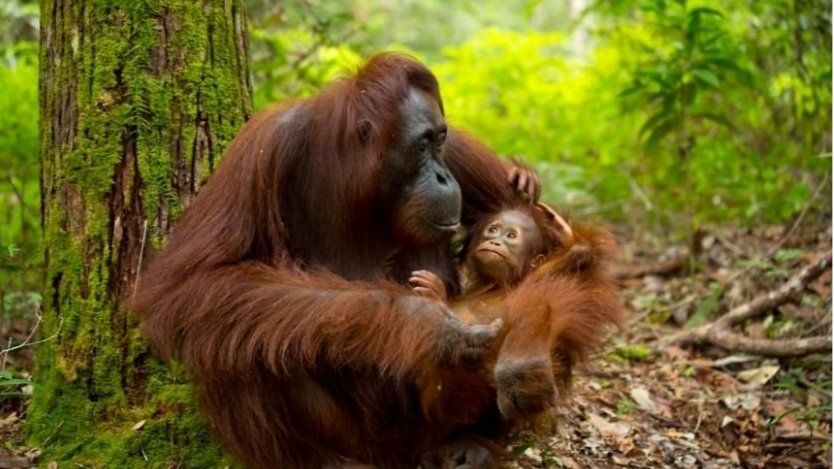
orangutan mother and her baby, courtesy of canva
Orangutans:
The bond between an orangutan mother and her offspring epitomizes one of nature's most enduring relationships. Over the course of six to seven years, young orangutans depend entirely on their mothers for sustenance and guidance. Even after reaching maturity, they maintain close ties, often visiting their mothers until they begin families of their own. This maternal investment underscores the importance of familial connections among orangutans, shaping their social dynamics and nurturing behaviors.
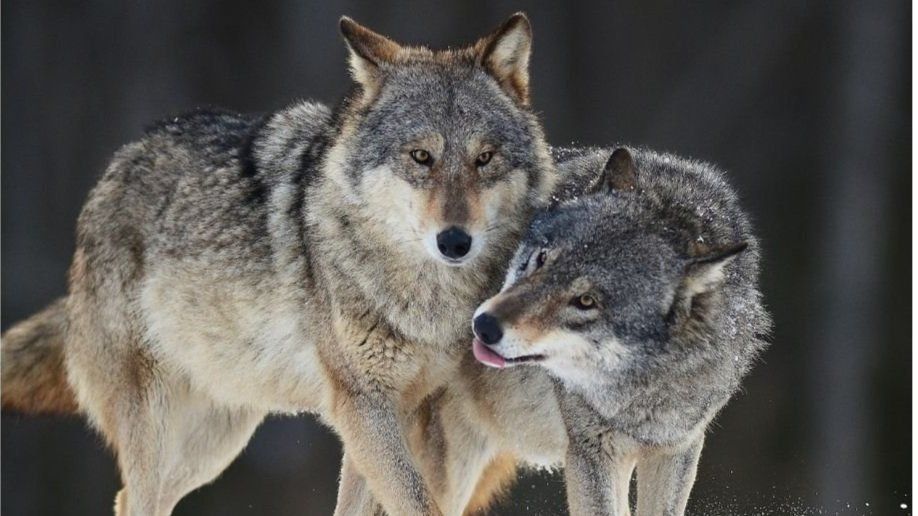
wolves, courtesy of canva
Wolves:
In the intricate dynamic of wolf packs, monogamy reigns supreme, exemplifying a commitment to partnership. Within wolf packs, alpha pairs form exclusive bonds, marked by affection and shared parental duties. Beyond mating, these pairs continue to demonstrate mutual support and affection, sharing the duties of raising offspring. Such monogamous unions endure until death, symbolizing the enduring strength of familial bonds within wolf communities.
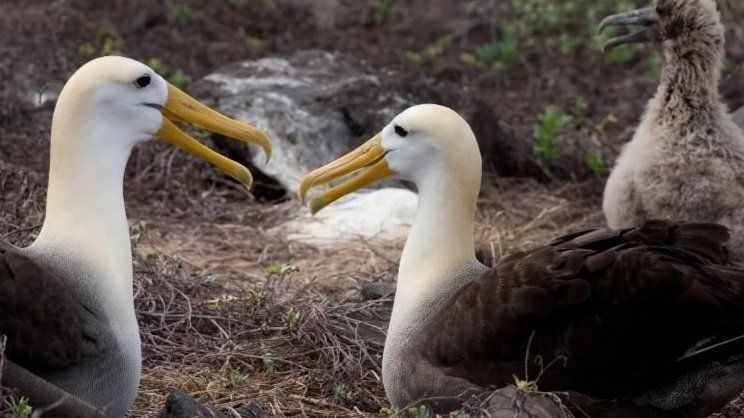
Albatrosses, courtesy of canva
Albatrosses:
While many avian species practice lifelong monogamy, albatrosses stand out for their commitment to keeping the spark alive with their dedication to courtship rituals, which persist throughout their relationships. However, the specter of climate change poses a threat to these love birds, as diminishing food sources jeopardize breeding success. Rising water temperatures disrupt nutrient cycles, leaving albatross pairs in poor health and diminish their ability to reproduce effectively, which drives breakups . These bird relationships highlight the interconnectedness of environmental and social dynamics in bird communities.
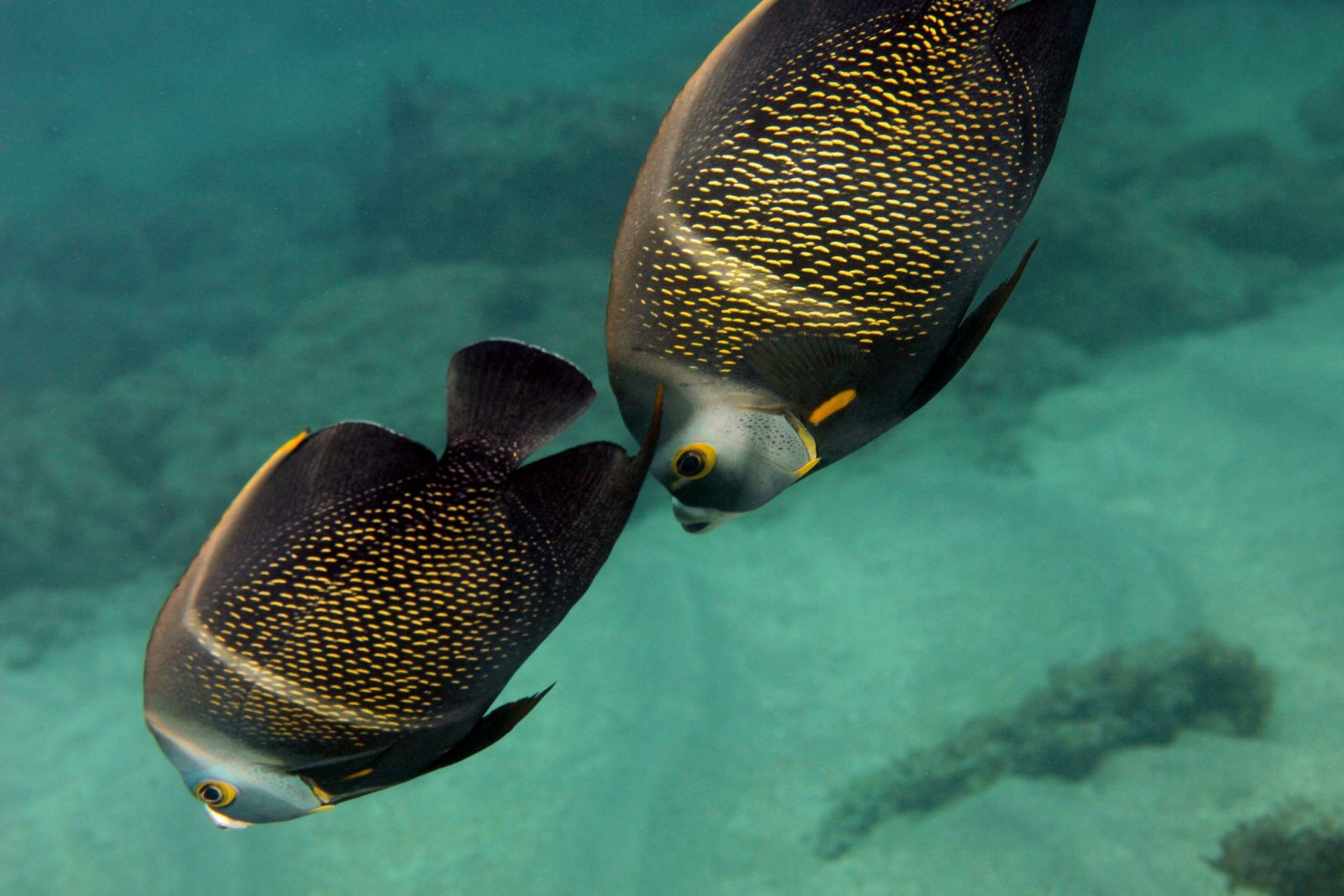
French angelfish, courtesy of flickr
French Angelfish:
Beneath the ocean's surface, French angelfish demonstrate the power of partnership, forming inseparable bonds with their mates from an early age. Together, they navigate life's challenges, from hunting for sustenance to defending their territory against intruders. Once paired, these fish are not seen without each other again. Together,they traverse through the sea as a unified entity, symbolizing the strength of their mutual devotion.
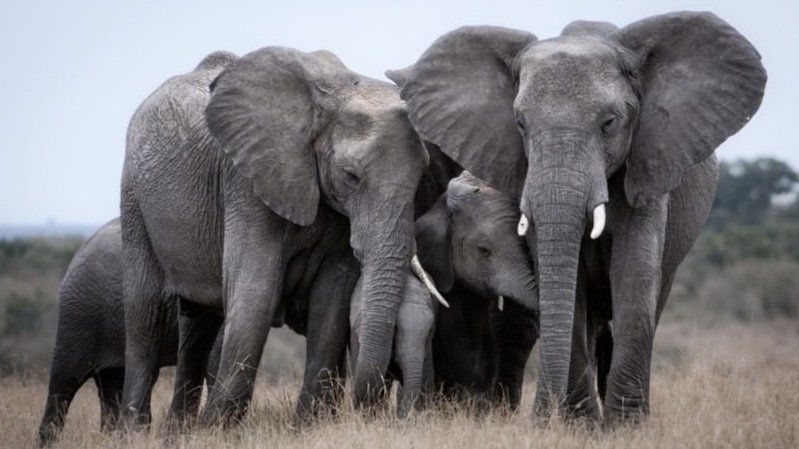
an elephant family, courtesy of canva
Elephants:
In the expansive landscape of elephant relationships, love manifests in enduring friendships and familial ties that transcend time. While not always monogamous, elephants maintain steadfast connections with their mates, rarely straying far from each other's side. Yet, it is their profound sense of familial loyalty that truly distinguishes elephants, as they mourn the loss of loved ones and commemorate their memory through shared rituals. Through these displays of affection and remembrance, elephants affirm the enduring nature of love in all its forms.
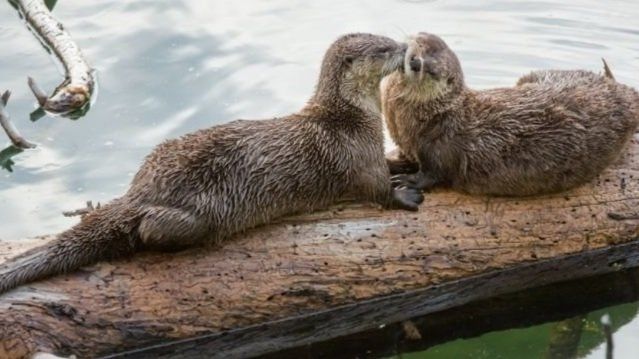
affectionate otters, courtesy of canva
River Otters:
Among nature's cutest couple, river otters epitomize monogamous devotion, engaging in tender displays of affection with their mates. Whether lazily drifting down the river or hunting for sustenance, these otters remain inseparable, their bond strengthened by mutual care and companionship. As they navigate life's currents together, river otters embody the enduring power of love in the animal kingdom by holding hands as to not drift apart from each other.
RECENT ARTICLES