FIELD NOTES BLOG
Spring Showers bring....Baby Showers?
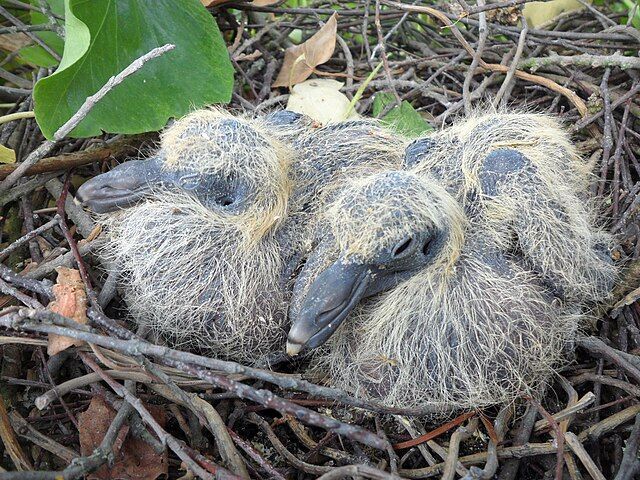
Whether it's with a funny image on social media, a nature documentary, or looking at a heartwarming commercial your eyes will be assaulted with a buffet of adorable little creatures. With spring being well underway, we’ll soon be seeing the emergence of plenty of new and returning animal parents. Following suit, tons of brand new babies will be entering the world. However, not all of the animal babies are created equally. How they are born undoubtedly are extremely important aspects of shaping the life histories and ecology of animals. This is seen both when they are young and growing all the way through their adult years in determining what parental care strategies they’ll employ to increase their success.
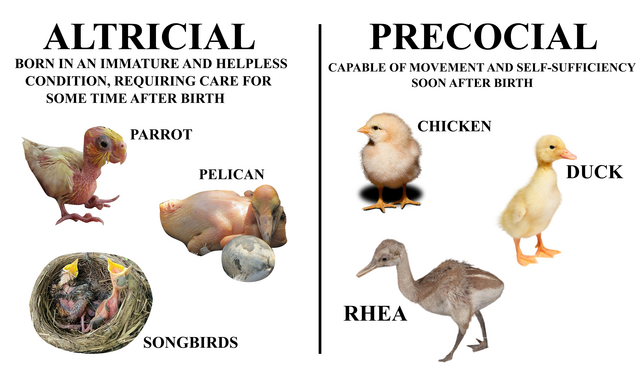
Offspring broadly fall into one of two categories; Altricial or Precocial. Altricial offspring are those who are underdeveloped at the time of birth, but with the aid of their parents mature after birth. While on the other hand we have precocial young, relatively mature and mobile from the moment of birth or hatching; being able to mature without parental care. However, these categories are not black and white with many animals falling into a gray area where they mainly show the traits of one group but not all of the titular extremes of it. Thus creating a sliding scale.
Altricial Species
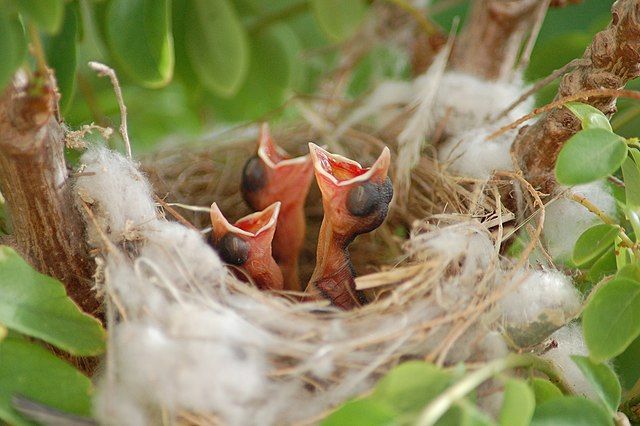
Altricial species give birth to offspring that are born helpless, needing to have their parents take complete care of them. They are unable to perform basic bodily functions such as moving, seeing, feeding, or eliminating waste. parents provide care by creating milk for their young, feeding them high calorie diets, or teaching them important lessons in hunting, foraging, or social interactions. Babies are less developed upon hatching or being birthed, Because of relatively short pregnancies and brooding periods as they don't have enough time to mature before entering the world.
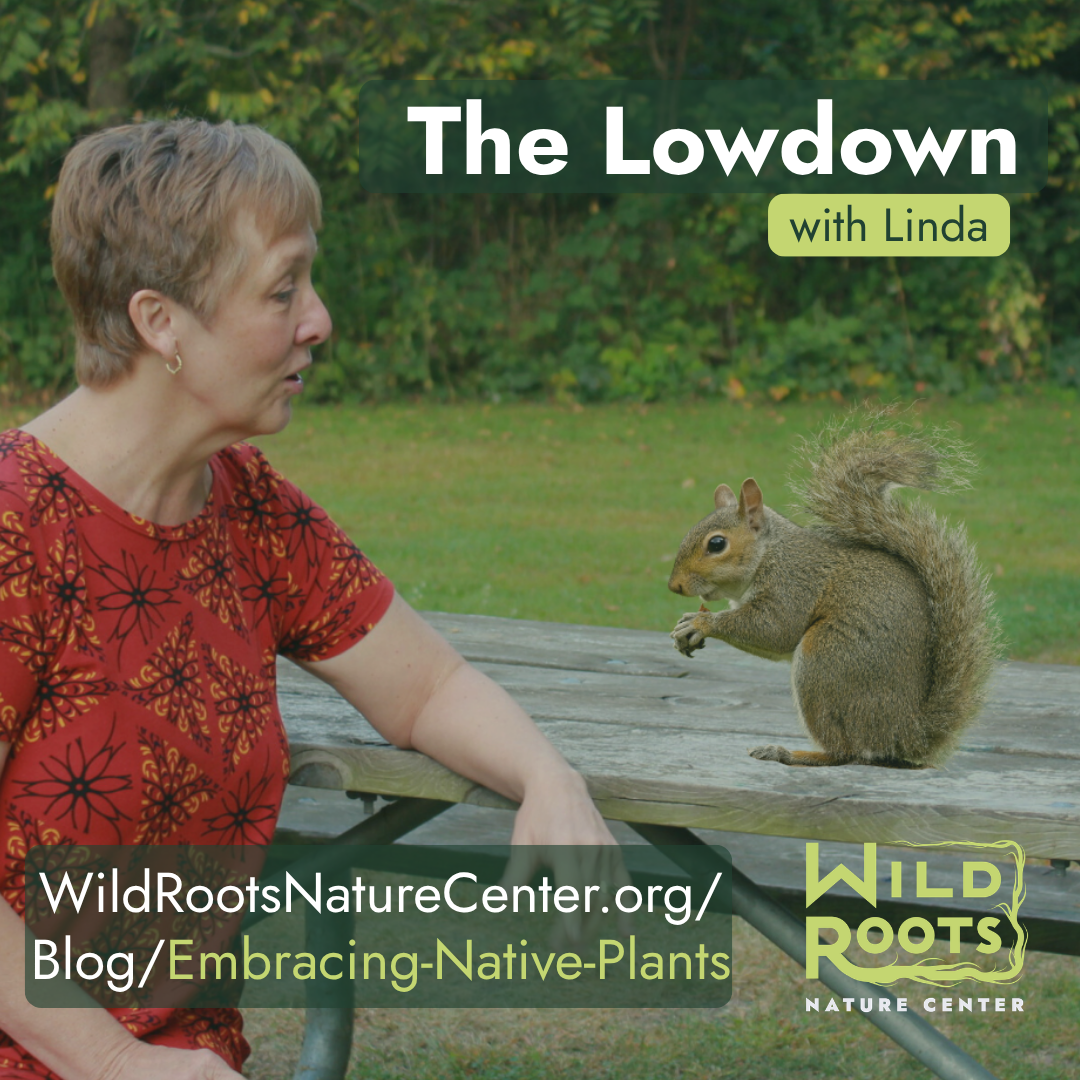
They also have sedentary, non-migratory lifestyles. If you are constantly on the move or have to travel long distances regularly it is unwise to have offspring that would have to be carried or move too slowly. At least in birds and mammals altricial species are smaller sizes, as they don't have the facilities to produce large, mature offspring. The altricial animals that you are probably most well acquainted with would be some Winnebago locals such as eastern cottontails, squirrels, coyotes, and all species of songbird and birds of prey. More exotic examples include kangaroos, chimpanzees, and the giant panda; the world’s largest altricial animal.
Precocial Species
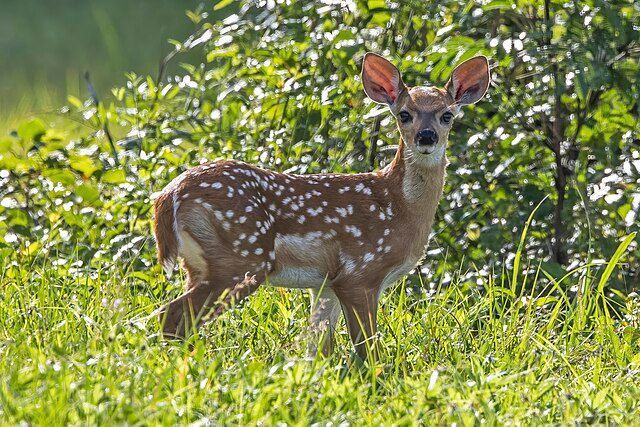
The offspring of precocial species can either completely or mostly take care of themselves right after birth or hatching, or soon after! They can freely move around, hunt or feed themselves, and avoid predation. This is associated with animals having accelerated growth rates, things hastier than most. The most common trait amongst them is needing to grow and mature quickly, factoring into this is needing to move between food sources on their own and feeding themselves. This is because it's impractical for a parent to try to provide enough food for multiple babies to multiply in size in short periods of time, which is quite common. Another trait is a lack of intense parental care, though lots of precocial parents will hang around their offspring to serve as protectors or ‘gentle parents’ to them on what to eat.
As an opposite for one of the reasons to be altricial, precocial parents are often relatively large in body size. Being big simply makes it easier for a mother to produce either large mature offspring right off the bat or create large eggs that can in turn feed large, mature embryos. The environment can also serve as a catalyst for developing precocial young as they are some habitats that prevent offspring from not being able to do things on their own. Notably aquatic habitats because being unable to move can result in drowning or sinking to untenable depths. Good locale examples would include deer, turkeys, ducks, geese, and nearly all reptiles and amphibians.
Mixed traits
I mentioned before there is a sliding scale or spectrum between the two extremes. There are traits that supersede the binary naming system of precocial vs altricial by having their roots in other ecological faculties. One of these traits is making a lot of offspring which is common in individual species in both categories as a strategy to make sure that as many babies survive until adulthood as possible; seen in the super-precocial species like sea turtles and in altricial species like mice. Another is life span, since there are good examples of animals having both long and short life spans across both groups; such as ducks who are precocial living 3-5 years old, the altricial squirrel living for 5-10, and the precocial Canada goose living up to 10 as well. Humanity itself doesn't fully follow one strategy, we as a species are mostly altricial since our babies are born unable to walk, possessing underdeveloped skeletons, and needing heavy parental care. However, we are developmentally precocial in both the mind and body. We develop quite quickly with the care of our parents being able to move around, learn new skills, perform complex social behaviors, and technically feed ourselves; increasing the precocial nature of human juveniles. This is unlike many altricial animals which don’t become semi independent until they are sexually mature adults.

As you continue exploring the natural world around you, be sure to keep an eye out for all of the new lives taking shape and look for some of the aforementioned traits in those creatures.

RECENT ARTICLES