FIELD NOTES BLOG
‘Spook the Dells’ Animal Myths
Between leaves losing their green, mushrooms making an appearance, and squirrels scampering around looking for nuts, October is a very busy time in nature, and here at Severson Dells is no different! We’ve got Science Saturdays the first week of each month, Drinks for the Dells on October 14th, and on the 21st- the inspiration for today's blog- Spook the Dells! Each year, Severson staff and volunteers dress up to teach families some fun facts about different nighttime creatures. You’ll learn a lot about all the different Spook the Dells characters that night, but here is a little sneak preview with some common misconceptions about our local nocturnal friends.
Coyotes
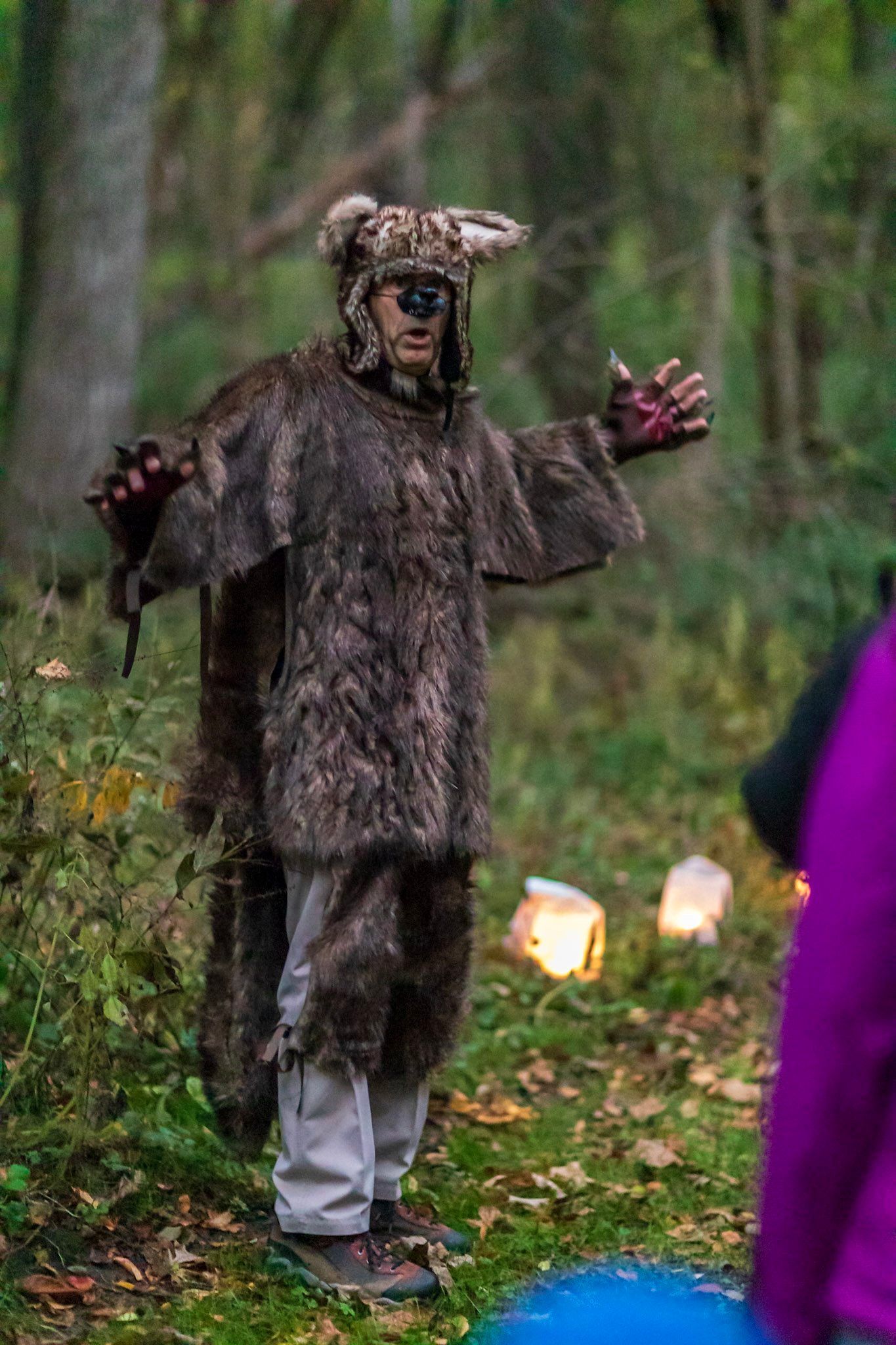
‘coyote’ at spook the dells.
Misconception: Coyotes are dangerous to humans.
Like many wild animals, coyotes much prefer to avoid humans. Instances of coyotes harming a human are rare, and usually only happen if the coyote has become accustomed to being around people. For example, leaving bait out for trail cameras can cause the coyote to associate humans with food and make them less hesitant to interact with people. This is why it is never a good idea to try to feed coyotes or other wild predators.
Misconception: If a coyote is active during the day, it must be sick.
Coyotes are commonly active during the day and at night, so just being active during the day should not be cause for alarm. Since rodents like chipmunks and squirrels make up a significant part of their diet, they need to be active when their prey is! Now, if a coyote is out during the day AND exhibiting other health or behavior concerns, it might be a good idea to alert someone.
Big Brown Bats
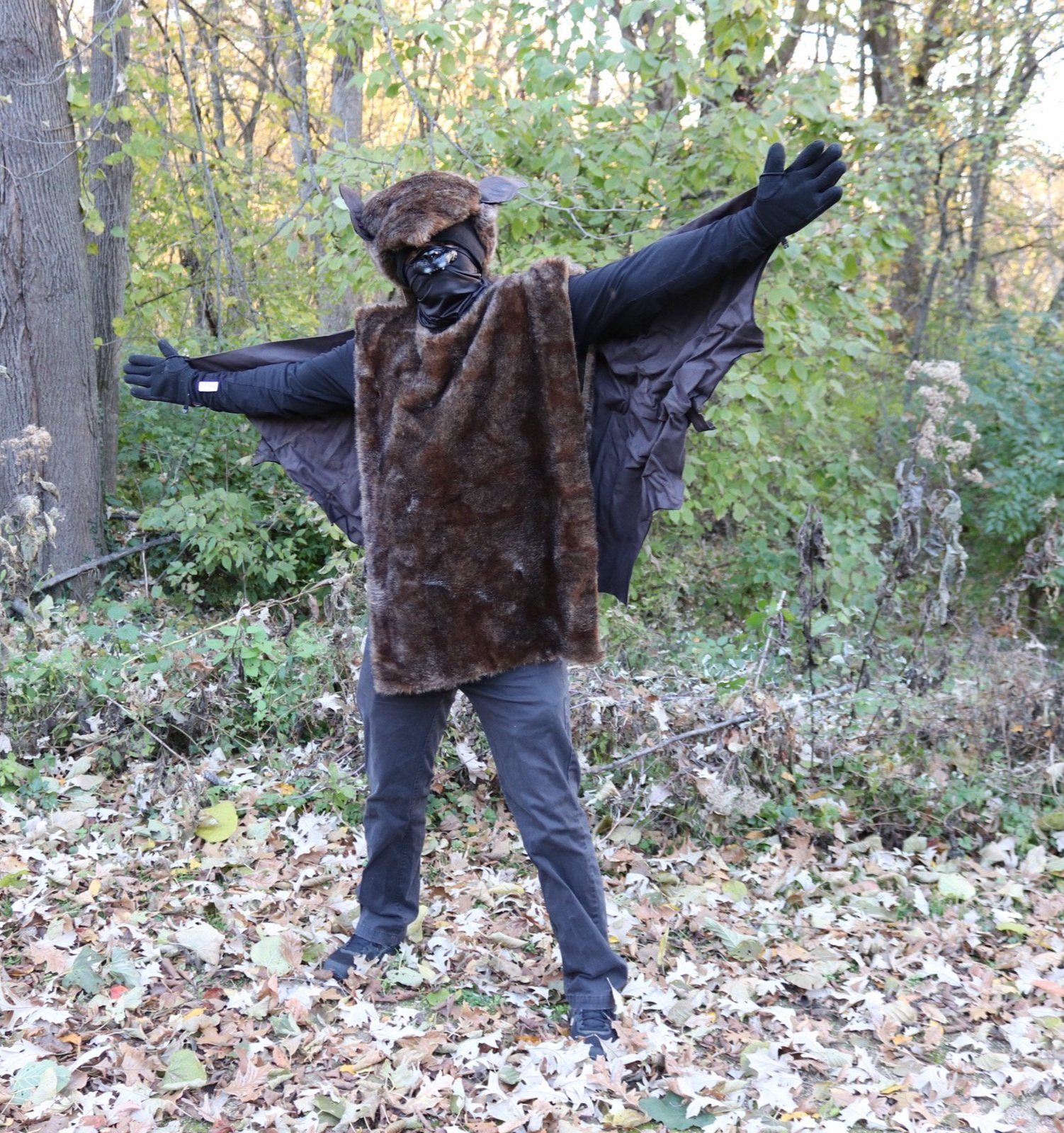
‘big brown bat’ at spook the dells.
Misconception: All bats have rabies!
Scientists believe that about 99% of bats do NOT carry the rabies virus. Globally, the most cases of rabies in humans originate from domesticated dogs. In the US, since most dogs receive rabies vaccinations, contact with bats is the most common way that humans get exposed to rabies, but it is still not very common. That being said it is always a good idea to talk to a medical provider if you come in contact with a bat, and never handle bats with your bare hands!
Misconception: Blind as a bat!
Big brown bats- and many other bats- actually have quite good eyesight! For catching their insect prey, they use their echolocation skills, but for anything at a longer distance, they’ll depend on their eyesight.
Misconception: Bats try to fly into your hair to build nests.
The first issue with this idea is that bats do not intentionally dive-bomb people. If it feels like they are targeting you, it’s likely that you have stirred up some insects and the bats are just trying to catch themselves some dinner! The second problem is that bats don’t really build nests. Most bats roost in hollow trees, caves, or other structures where lots of bats can live together.
Moths
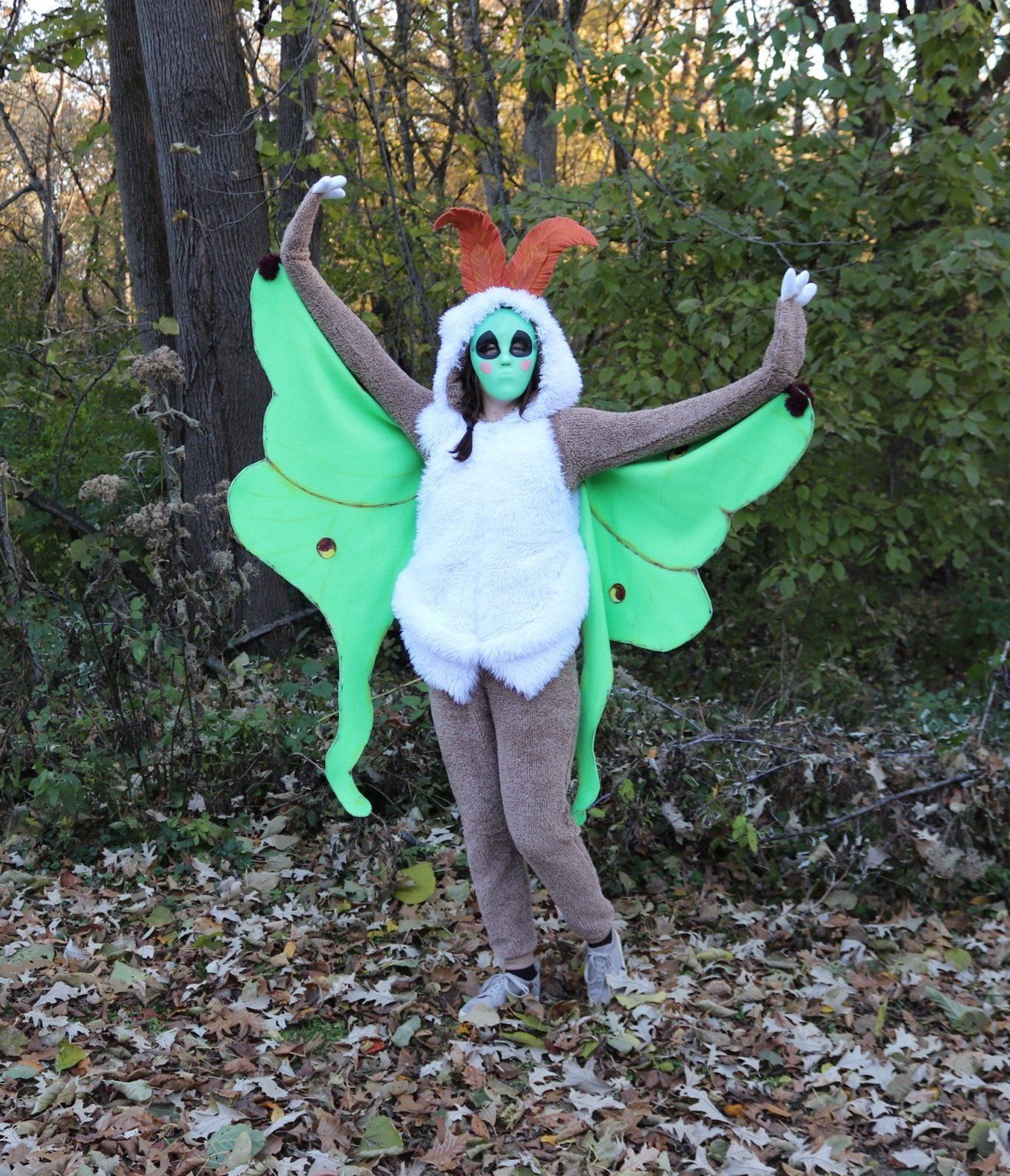
‘luna moth’ at spook the dells.
Misconception: Moths are just bland butterflies.
Some moths, like Spook the Dells’ Luna Moth or the Rosy Maple Moth, are very brightly colored! In general, butterflies tend to be active during the day while moths are more active at night, but there are also some moths that are active at night! There are about 180,000 species of Lepidopterans(the group that includes butterflies, moths, and skippers) worldwide, but only about 14,000 of those are butterflies. So, if anything, butterflies are just day-faring, brightly colored moths.
Raccoons
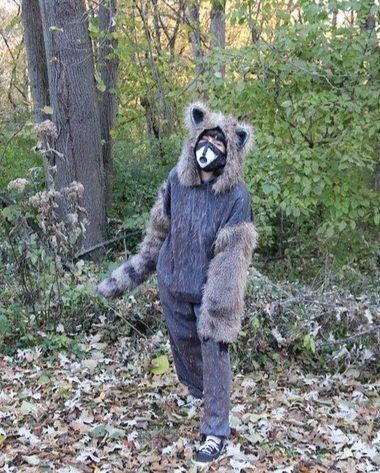
‘raccoon’ at spook the dells.
Misconception: If you see a raccoon during the day, it has rabies.
Similar to the coyotes, it is not uncommon to see healthy raccoons out and about during the day. They tend to be more active at night, but if a female raccoon is caring for young, she may venture out to find some food for them during the day. Unfortunately, raccoons are a primary carrier of the rabies virus in the US, so please do not try to pet or feed them.
Misconception: Raccoons wash their food.
Raccoons are commonly seen on the shores of rivers and ponds dunking their food in the water. Since we- as humans- only put our food under water to wash it, we assumed that’s what the raccoons were doing to! But this is not the case! Raccoons actually have a heightened sense of touch, with about 5 times more nerves in their “hands” than humans have. Feeling things is how they perceive the world, and getting their paws wet helps to soften any callouses that they may have so they they can feel things even more clearly. So when you see a raccoon dipping its food in water, they are actually just trying to learn more about what they are holding!
Opossums
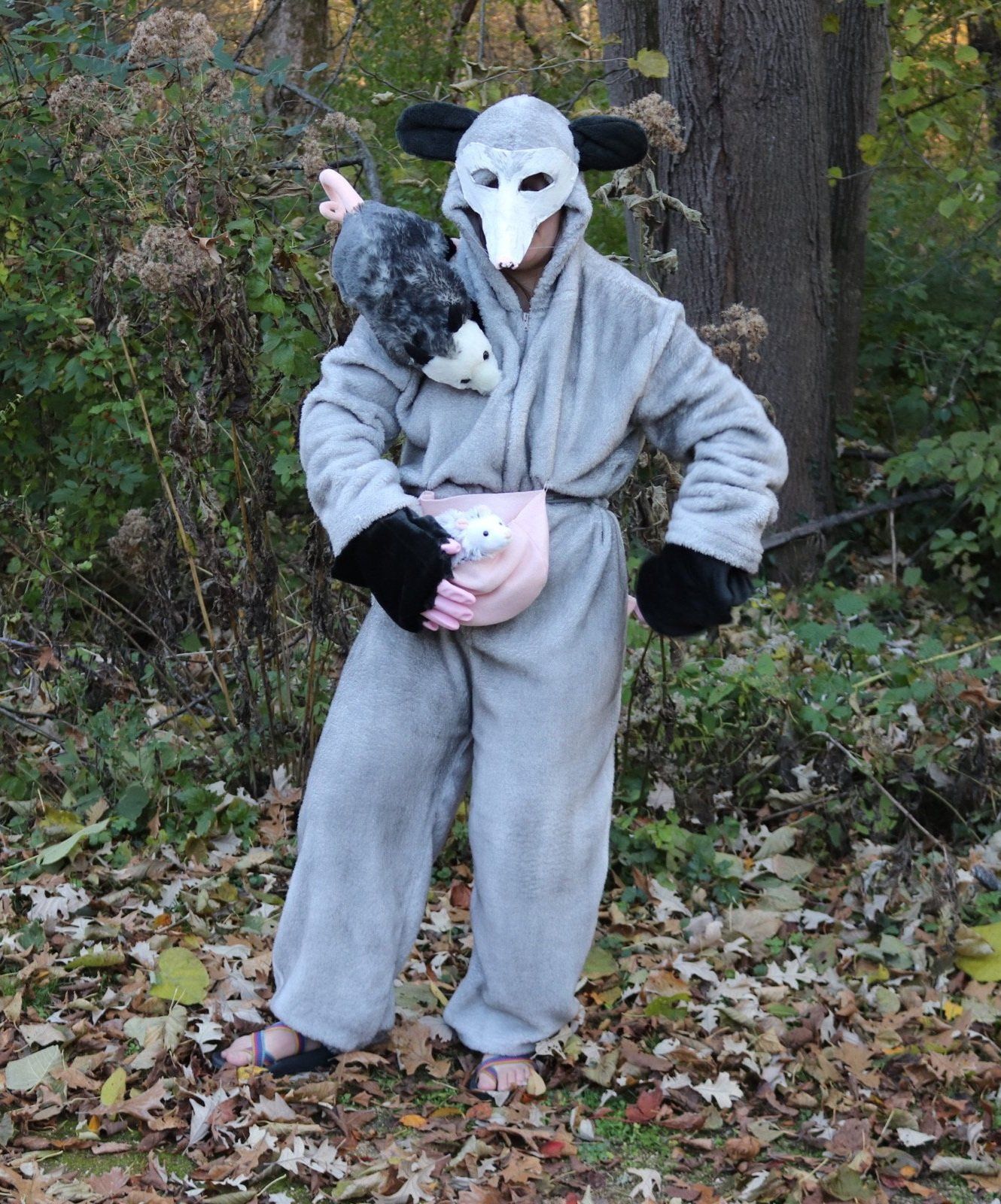
‘Opossum’ at Spook the dells.
Misconception: They are called possums!
There is an animal called a possum, but it lives in Australia. Here in North America, our furry friends is actually called an opossum. But don’t worry; since possums live so far away, people will still know what you mean if you call them possums.
Misconception: They hang by their tails when they sleep.
It’s true that they have a prehensile tail- meaning it can be used to grab things. However, opossums mostly use their tail to help stabilize themselves when they climb trees or to hold things like sticks or food that they are bringing back to their den.
Great Horned Owls
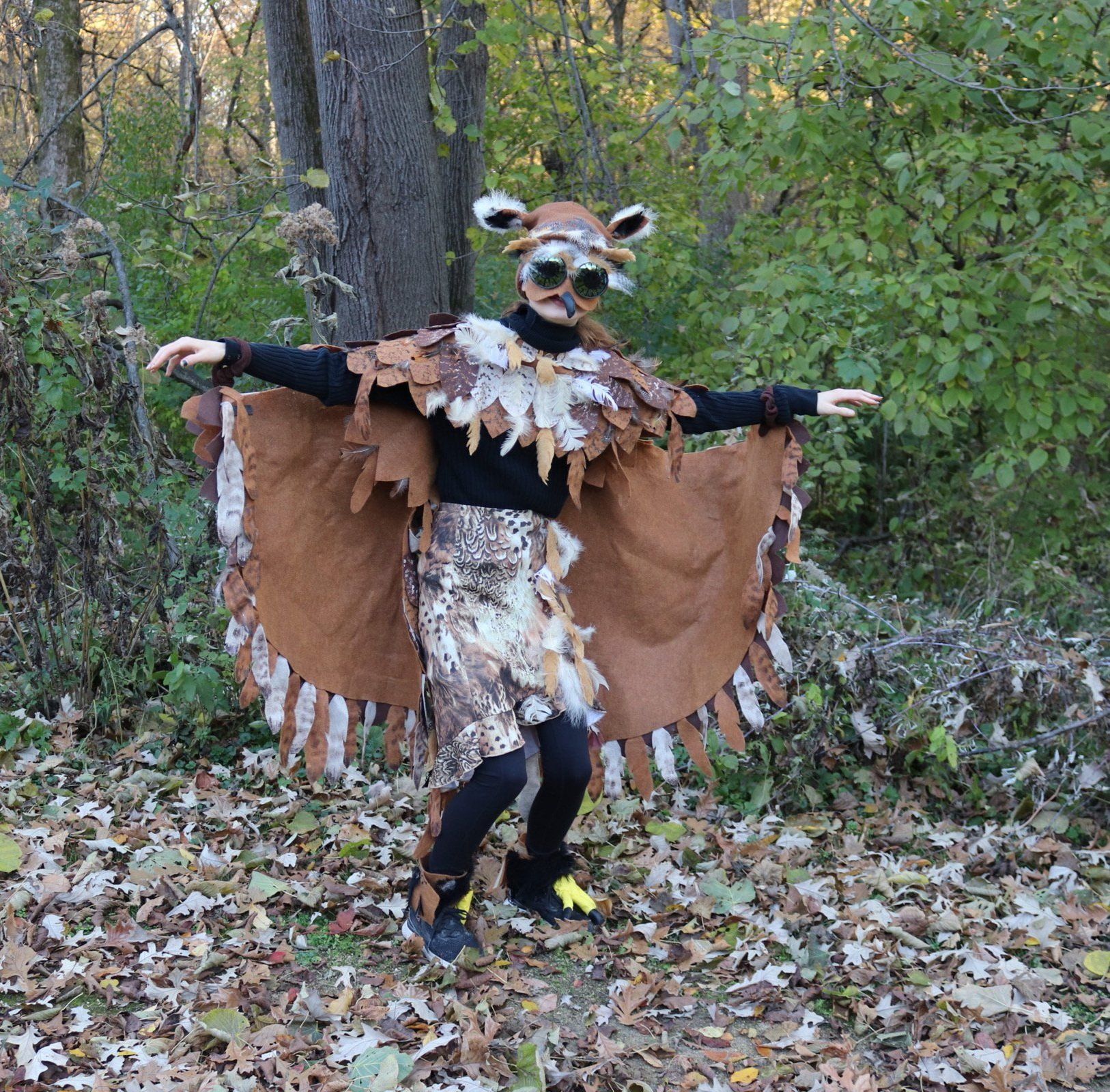
‘great horned owl’ at spook the dells.
Misconception: Owls can turn their head all the way around.
Technically, this isn’t wrong, but the truth is a little more nuanced. If a great horned owl is facing forward, they can easily turn their head 180 degrees to see directly behind them. Since they can turn 180 degrees to the right and 180 degrees to the left, technically they can turn a full 360 degrees. But, if they start off looking forward, they cannot turn their head all the way around to be looking forward again.
Misconception: An owl could swoop down and carry off my pet or child.
Most of the time, we can put this claim squarely in the “Fiction” category. Great horned owls- considered the strongest of all owls in North America- can only carry about 4 lbs, so you can rest assured that your children, even newborns, will not be snatched up by an owl. However, if your pet weighs less than four pounds, it would be possible for an owl to pick them up, so keep a close eye on them if they’re outside.
Jumping Spiders
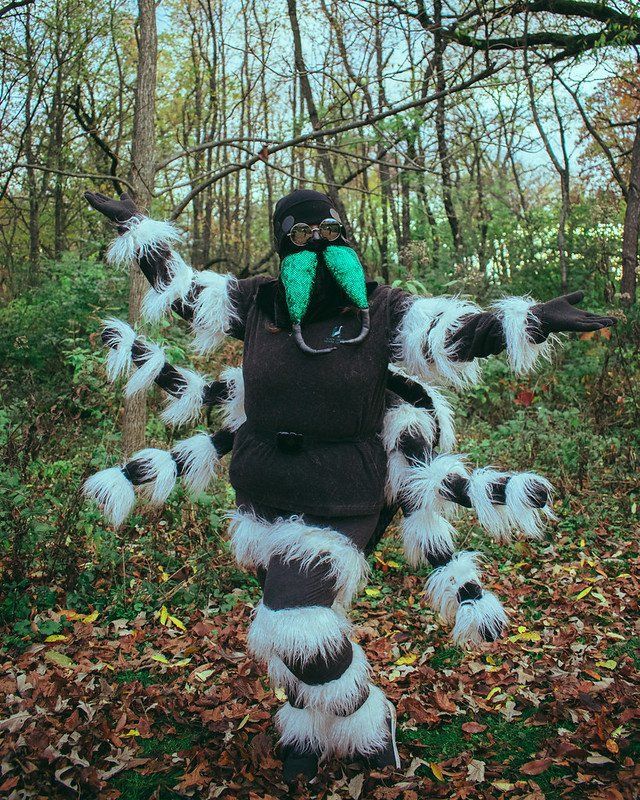
‘Bold Jumping spider’ at spook the dells.
Misconception: Jumping spiders catch their prey in webs.
Jumping spiders don’t spin webs the way some other spiders do. Instead, they spin a thread of webbing that acts like a lifeline when they are catching their prey. They will follow their prey for a while, and then jump onto it in an ambush.
Misconception: They hunt at night.
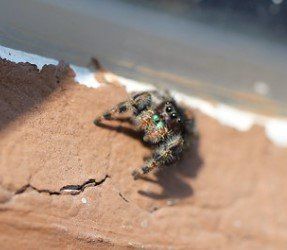
A Bold jumping spider at severson dells.
Jumping spiders use their very good eyesight to stalk their prey. In the daylight, they can see almost 360 degrees around themselves thanks to their eight eyes, which helps them locate their small prey from a distance. Because they rely so heavily on their sight, they do not usually search for food at night.
Conclusion
There are a lot of misunderstandings abouts animals who are active at night, and it’s common for people to be afraid of things that they don’t understand. But now that you know a little more about each of these critters, hopefully they don’t seem so scary! Of course, there’s still a lot more to learn, so you should sign up for Spook the Dells on October 21st to get the full scoop- and have some s’mores while you’re at it!

RECENT ARTICLES