FIELD NOTES BLOG
Winter Plant Features
Now that winter is here and snow is on the ground, it seems like nature is quieting down. In Northern Illinois, winter can be a very intense season for wild living things, especially for plants! They can’t migrate south as lots of animals do, nor can they put layers on or go inside, they aren’t humans. Instead, plants have special adaptations that allow them to survive, even in subfreezing temperatures! Thanks to some amazing genetics, plants have thrived in the changing seasons for longer than humans have been around! Let’s explore some of these winter survival strategies.
DORMANCY
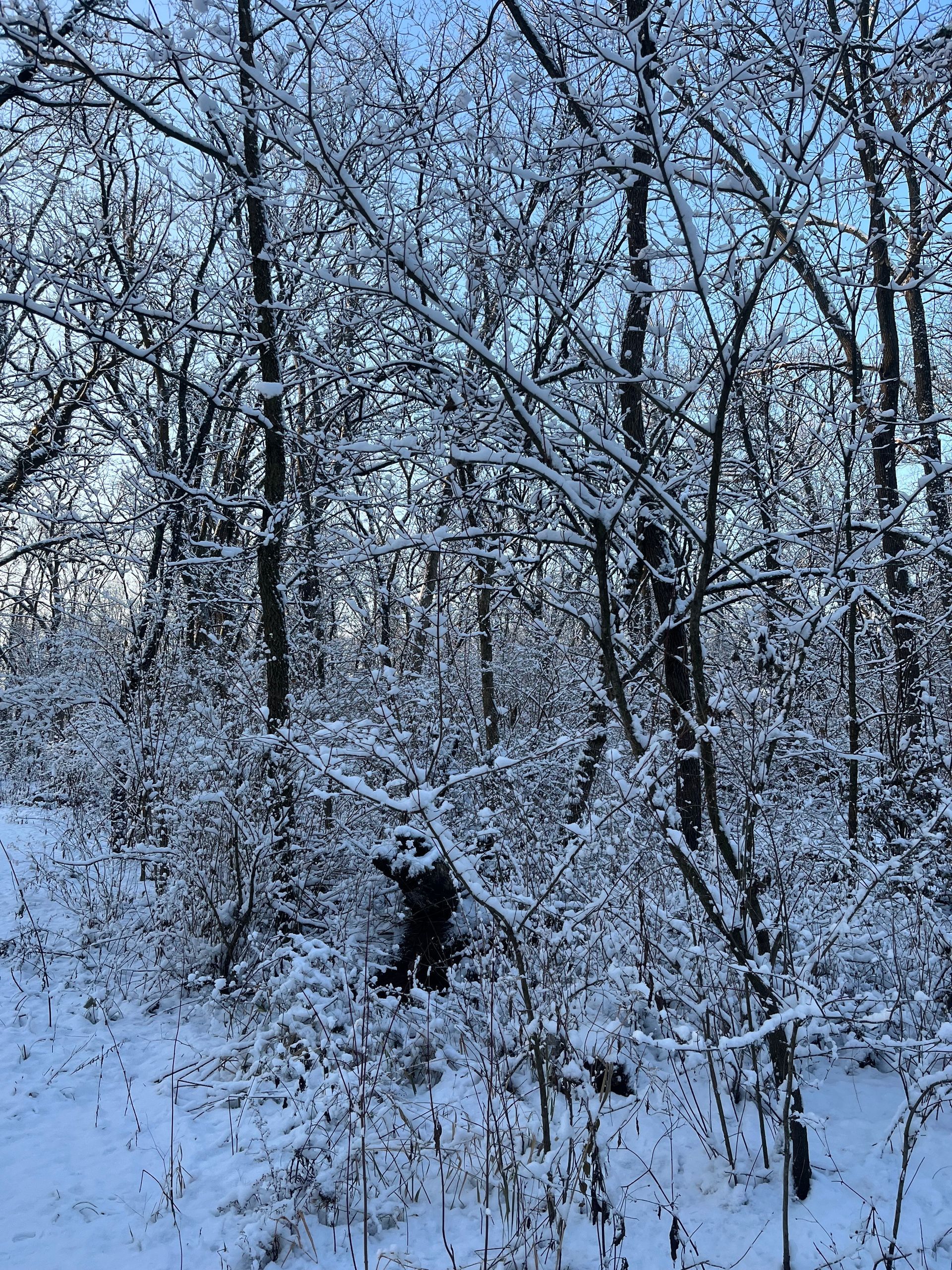
Plants are very resilient, having survived and adapted through numerous mass extinction events, those crazy strong suckers! Over time, plants have learned a thing or two, and they’ve developed adaptations to help them thrive, even during the less ideal conditions. One of these tough times is winter,when plants endure freezing temperatures, especially in regions where it dips below freezing. While animals can hibernate to combat the cold, which is when an animal slows down its body, breathing very slowly, and slowing their heart rate down so they use less energy. Well, plants do a similar process, where they slow down their metabolisms as if they’re taking a multiple month-long nap, this process is known as dormancy. Dormancy is an acclimation process that’s triggered in the fall by cooling temperatures and the shortening day lengths. Lots of different plants use this adaptation to conserve their resources and help them survive the upcoming winter. Dormancy is mostly an internal process, however, some notable external factors indicate that dormancy has begun. It is first noted as changing colors and then transitions into the leaf dropping, and then a complete state of rest, where it is nearly no longer growing. Plants will stay this way until Spring comes around and triggers the reacclimation process, which is triggered by warming temperatures and the lengthening days.
SUPERCOOLING
Another adaptation that plants have is a process known as “supercooling” and “dehydration”.
Supercooling is an internal process, where plants produce specific proteins to protect their tissues. In addition, dehydrin proteins are created to help the cellular protoplasm (the living material of the cell) remove water and redirect it into internal spaces where it can freeze and form ice crystals without harming the plant. The remaining fluids in the cells mainly consist of sugars and amino acids, which have a lower freezing point than water, providing protection against frostbite, much like the man-made chemical
antifrost. When the ice thaws, the water is reabsorbed by the plant cells. This process allows plants to endure extreme weather conditions, such as cold, heat, and drought. During these periods, plants may seem dormant, but changes continue to occur, mainly below ground in the roots, where the soil temperature is often warmer than the surface air. The roots store nutrients and water, ensuring the plant stays nourished and hydrated until the growing season resumes.
DECIDUOUS AND CONIFEROUS ADAPTATIONS
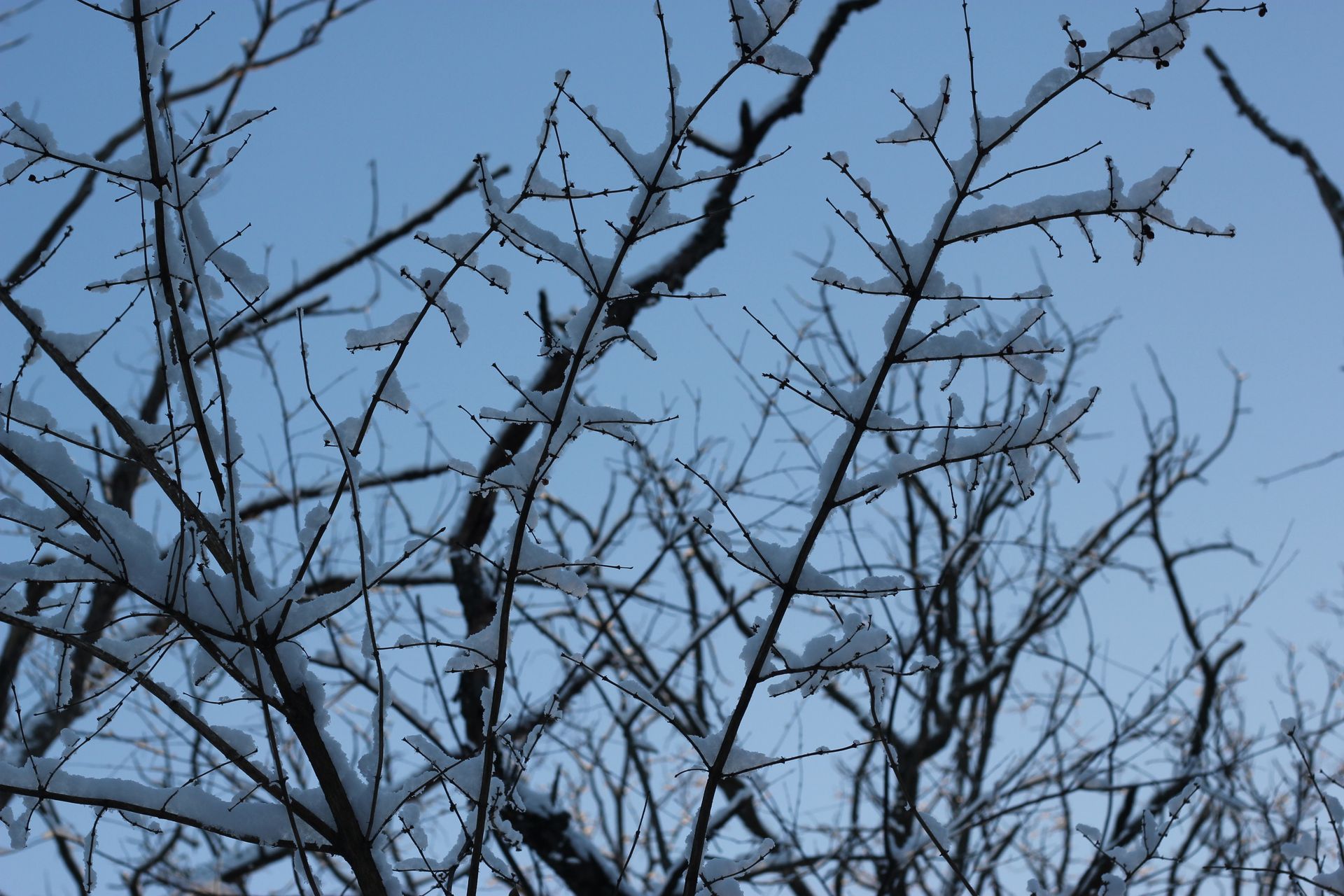
It may seem like it, but not all changes are internal. Another adaptation that plants will sometimes do in preparation for the cold season is to drop their leaves, if this happens that means it is
deciduous (shed its leaves annually). Plants will drop their leaves once the seasons start to shift and it’s beginning to get cold outside, because they are no longer needed. Leaves generate energy for trees, but that process slows as days get shorter and less light is available for photosynthesis. Dropping leaves also reduces the amount of exposed surface area to the cold, which minimizes water loss and conserves energy. Some plants will hold onto their leaves during the winter, and they’re known as conifers. Conifers differ from deciduous plants because typically, but not always, conifers will have leaves that resemble small needles, and they have a waxy coating on them. These needles are less exposed to the elements than a regular leaf, so they are better equipped to retain water, even during the colder, freezing months.
HOW TO HELP WINTER PLANTS
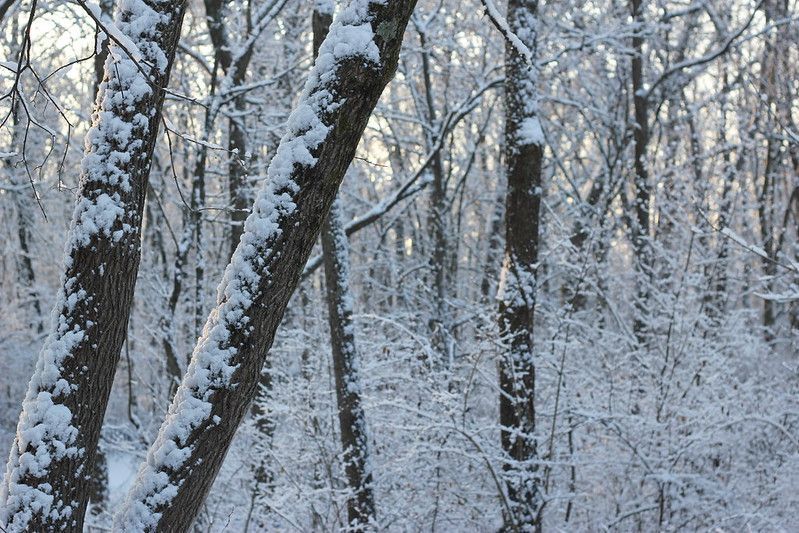
Although plants can do this on their own, it’s not a bad idea to give them some help preparing for the cold months. One of the best ways to ensure that your plants will survive the cold season is to grow native plants! Growing plants within their native areas is always a good idea because you know that your plants are adapted to the region and will be prepared for the weather conditions that are to come. Whereas if you have non-native plants growing, they will have a much harder time dealing with the harsh colds and snow. Some plants are recommended to be moved indoors if able to, but to remain near a window that receives sunlight. For the plants that can’t be moved it’s recommended to place a protective layer of mulch (snow works too) around the base of the plant, this acts as an insulator keeping the roots warm and moist, protecting them from frost. Another recommendation is to cover or wrap the plant with a drop cloth or an old blanket; you just need something that will cover the entire plant to protect the surrounding air from any drafts, creating a safe insulated space for the plant(s) to exist in during the cold season. Although these steps aren’t necessary, they are helpful to your plants, especially the ones that are less equipped to survive a Midwest winter!
Midwest winters may seem like a dormant time, but that’s not true! Changes are still occurring on a cellular level, even if we can't see them with the naked eye. So don’t worry, your plants may not look the best right now, but give it a few months and, as spring arrives, your plants will slowly come back to life! We can learn something from plants, by using the winter season as an opportunity to slow down and appreciate what’s going on around us. So bundle up, stay warm, and stay safe; just like the plants are.
Sources:
Wahle, Elizabeth. “How Plants Survive Freezing Temperatures.” College of Agricultural, Consumer, & Environmental Sciences Illinois Extension, University of Illinois Urbana-Champaign, 1 Jan. 2021, extension.illinois.edu/blogs/welcome-my-jungle/2021-01-01-how-plants-survive-freezing-temperatures#:~:text=There%20are%20any%20number%20of,of%20rest%20or%20metabolic%20inactivity.
Smith, Ben. “How Do Plants Survive Freezes?” Sunnyside Nursery, Sunnyside Nursery, 3 Dec. 2024, www.sunnysidenursery.net/sunnyside-blogs/2018/2/19/how-do-plants-survive-freezes.
Forman-Cook, Whitney. “What Happens to Trees in Winter?” State Foresters, National Association of State Foresters, 2 Feb. 2022, www.stateforesters.org/2022/02/02/what-happens-to-trees-in-winter/.
Gilchrist, Dan. “Protecting Your Garden Plants from the Cold.” Swansons Nursery, Seattle’s Favorite Garden Store Since 1924 - Swansons Nursery, 30 Nov. 2024, www.swansonsnursery.com/blog/cold-protection-for-your-garden-plants.

RECENT ARTICLES