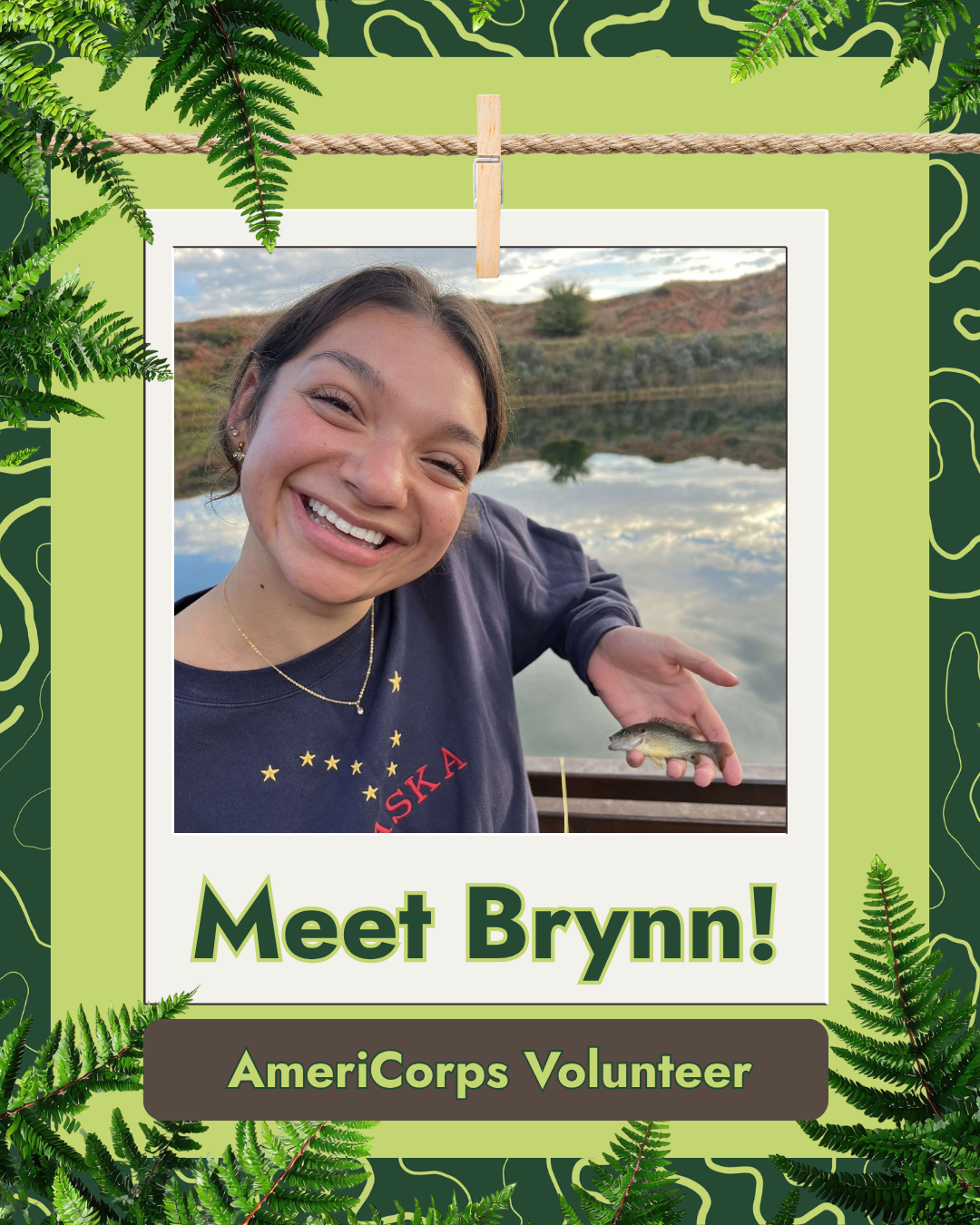
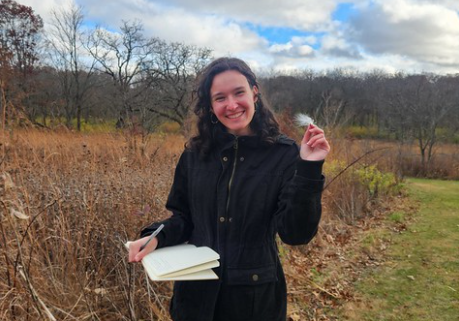
I have volunteered in many capacities including at a library, an environmental lab, and a marine rescue center, but I have recently embarked on the biggest year-long opportunity yet. A few months ago I moved away from home and began serving with Severson Dells Nature Center as an environmental education AmeriCorps member. AmeriCorps is a federal agency that connects volunteers with community service programs to address national challenges. By serving I have expanded my nature and educator knowledge while stepping out of my comfort zone, which has improved my self-confidence. Seeing a child’s face light up with excitement or twist into thought while connecting with nature reminds me why I chose this path. I volunteer because on the surface it gives me professional experience in my field and connects me to other people, but on a deeper level it is soul fulfilling and gives me a sense of purpose in life.
FIELD NOTES BLOG
Community Connections: The Benefits of Volunteering
My Story
Benefits of Volunteering
Volunteers serve as the backbone of a flourishing community by providing benefits to organizations, recipients, and even themselves. Community service is defined as freely engaging in activities that aim to help others. The chosen activity can range in focus such as environmental, animals, social, healthcare based service. This work benefits an organization or nonprofit by providing their time to further the reach of their mission. In extending organizational capacity, more community member recipients can benefit and this strengthens your community. In 2024 the value of volunteer time was estimated by the Independent Sector to be worth $33.76 in economic value per hour in Illinois. According to data collected by the U.S. Census Bureau and AmeriCorps between 2022 and 2023 in Illinois, “3,033,871 formal volunteers contributed 187,123,863 hours of service through organizations worth an estimated $6.3 billion.” These impacts may already be apparent, but did you know that you as the volunteer can also reap benefits while giving back to your community?
Professional Experience
Many positions do not require you to have prior experience and train you so you can be successful in your mission to help others. This means that you may pick up new knowledge or skills. Learning while volunteering may allow you to discover a new passion, learn about local government functions, and connect you with local resources, with the latter two leading to greater civic engagement. New hard skills may be specific to the organization you partner with, but soft skills in any service usually include teamwork, communication, and problem solving. Additionally, you will gain professional experience in that field which can help you test out a career path.
Social Experience
Even if you aren’t looking to gain professional experience, volunteering provides valuable social experiences. Community service gives you the opportunity to connect with other people with diverse backgrounds that you may not have met otherwise. This includes leaders of the organization you are working for, fellow volunteers, and community members you engage with or directly impact. Engaging with others helps you make new friends over a shared activity, expand your network of people with a common interest, and boost your social skills. This can make it easier to branch out further to expand your social circle.
Mental Health
Volunteering can give you a sense of purpose and fulfillment since you are giving your resources to promote a cause you find meaningful. This paired with the social aspect has been shown to have positive impacts on your mental health. First, the sense of pride and identity that comes with service can also increase your general well-being and self-confidence. Participants have reduced stress compared to non-participants because you are focusing your energy on others. Furthermore, some studies have concluded that volunteering can reduce the risk of depression. This occurs because a central risk factor of depression is social isolation. Participation combats this by establishing regular contact with others and developing a social network that can be a support system.
Physical Health
Lastly and possibly the most surprising, community service also benefits the physical health of the participant, especially after retirement. Volunteering can be a great bridge for people transitioning from work into retirement as it maintains the continued structure of contributing to society. Getting into your community also increases physical activity and has been researched to reduce the symptoms of chronic pain and heart disease. Additionally, many studies have found that volunteering can lead to a reduction in mortality.
After hearing about the many community, experience, and health benefits of volunteering, you may be wondering how you can get involved. Keep reading to check out the opportunities Severson Dells Nature Center has to offer!
Getting Involved at Severson Dells
Severson Dells Nature Center’s mission is: To connect people to nature through education and research. If you want to be a part of our mission and tap into the many benefits of giving back to your community, join us, because we can’t do it without you! We had a total of 80 volunteers in 2024 that contributed a total of 720 hours of their time to our mission. This equates to an economic value of $24,307.20. Our invaluable volunteers teach others about nature during an education program or event, are the friendly face that welcomes people to Severson Dells at our front desk, or directly enrich the land through restoration workdays. With a variety of opportunities and commitment levels your contribution is only limited by enthusiasm, interest, and available time and is never limited by age or experience.
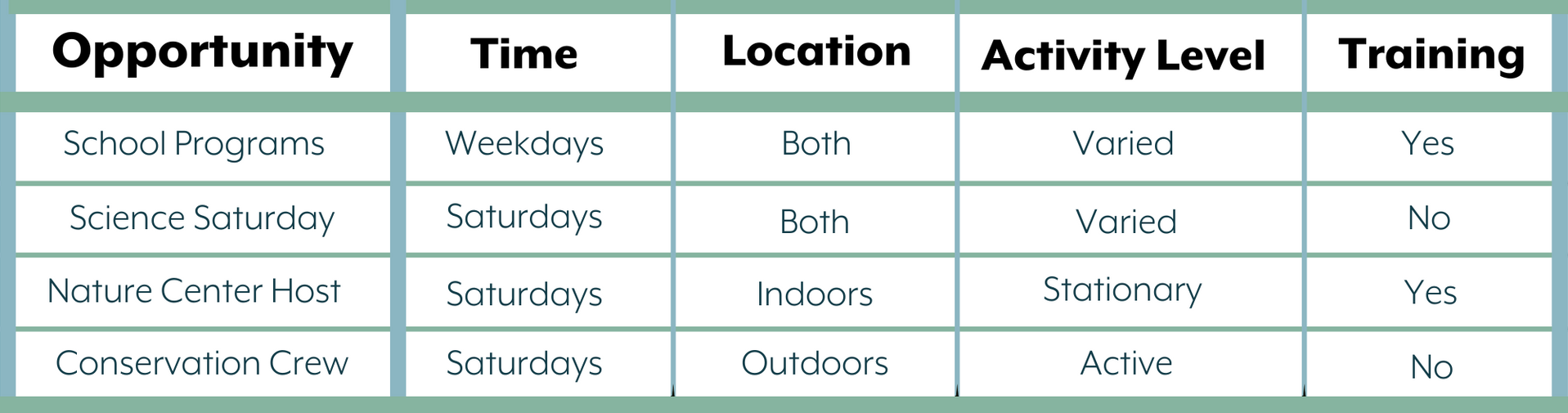
*Note: "Training" refers to specialized training (that we provide) for each volunteer. Science Saturday volunteering does not include formal training, but staff will work with volunteers to communicate tasks needed. Conservation Crew volunteering is hands-on and an immersive program in which we'll teach the skills needed each session.
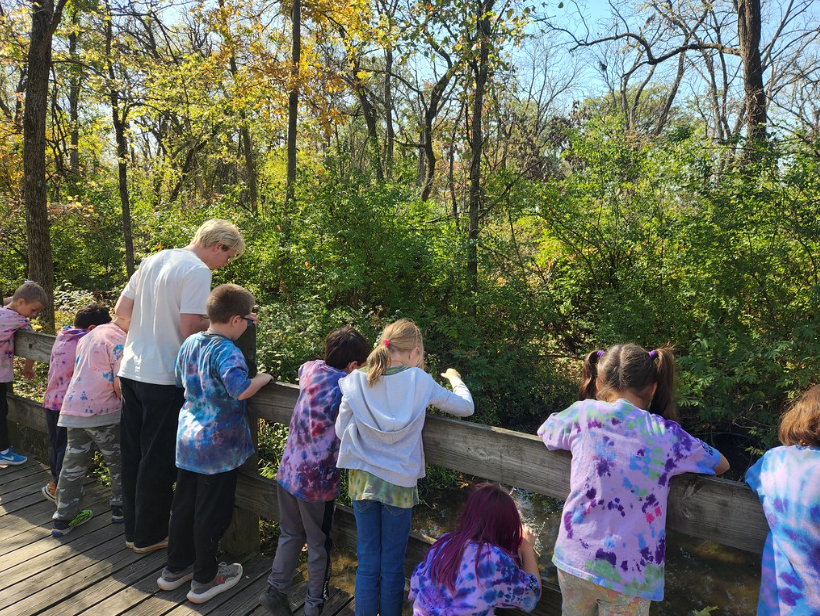
School Programs
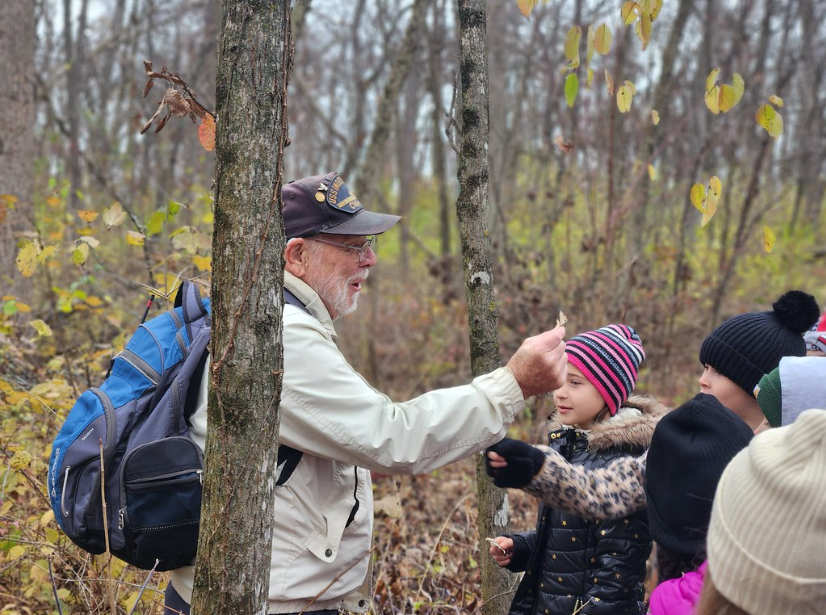
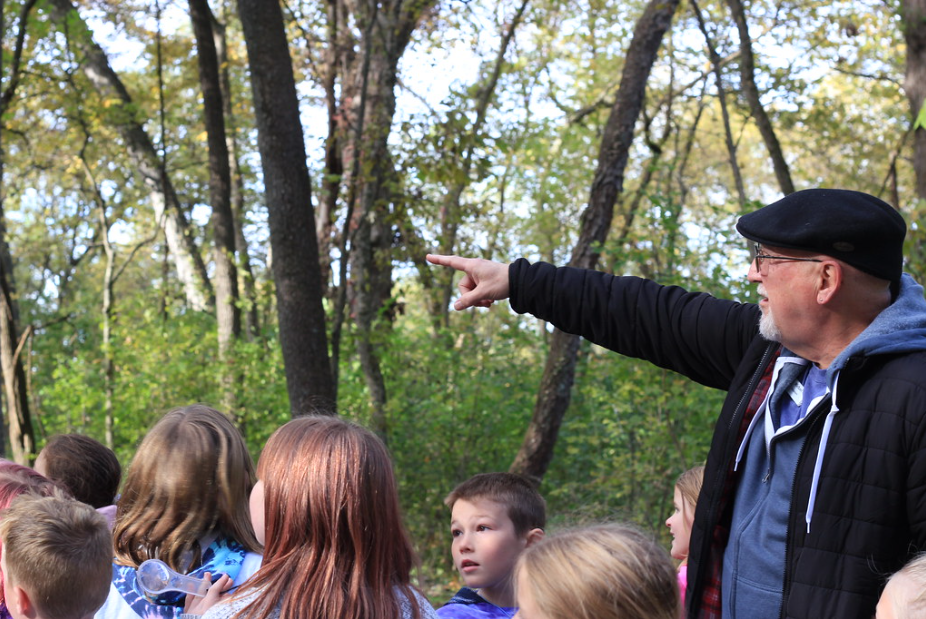
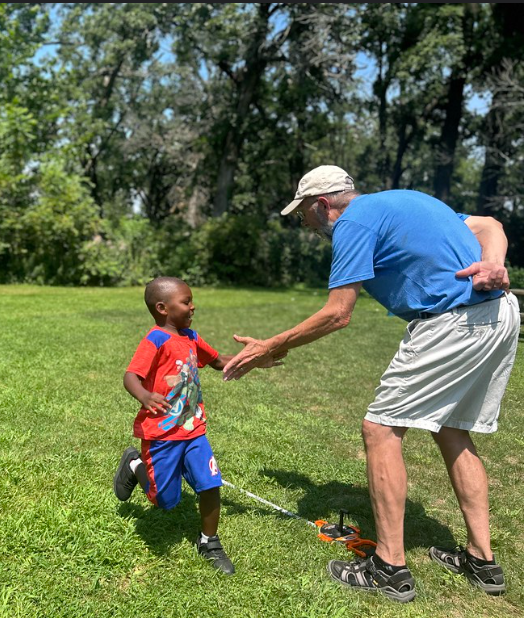
Service Description: School programs volunteers lead groups of students through hands-on nature programs! Many volunteers start with an exploration-based Discover Nature Hike, but other topics include animal adaptations, habitats, and more.
Scheduling: You can sign up for as many or as few 2 - hour shifts as you would like. Shifts usually fall between Monday and Friday 9:00 AM and 2:00 PM mostly in the spring and fall seasons. Registration required.
Interests and Qualifications: Do you love hiking and learning new things about nature? You will directly facilitate connections with nature by helping kids howl like coyotes, touch a toad, or smell wildflowers for the first time. People who are comfortable talking in front of groups and engaging in conversation are a great match for school programs! We provide training on education and local nature as long as you bring your enthusiasm.
Accessibility: There are active and stationary opportunities for field trip volunteers. Volunteers can choose to be inside or outside. Ability to hear conversations with background noise is helpful.
Testimonial: "I really appreciate that you guys allow me to take hikes with the kids. I always find something memorable about them. I keep telling you guys I get more out of this than you know." - Ed L.
Science Saturday
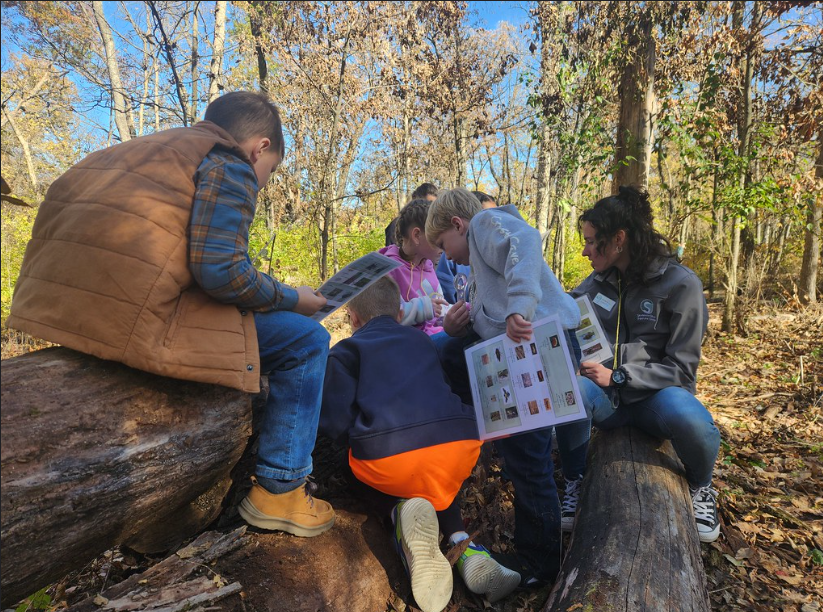
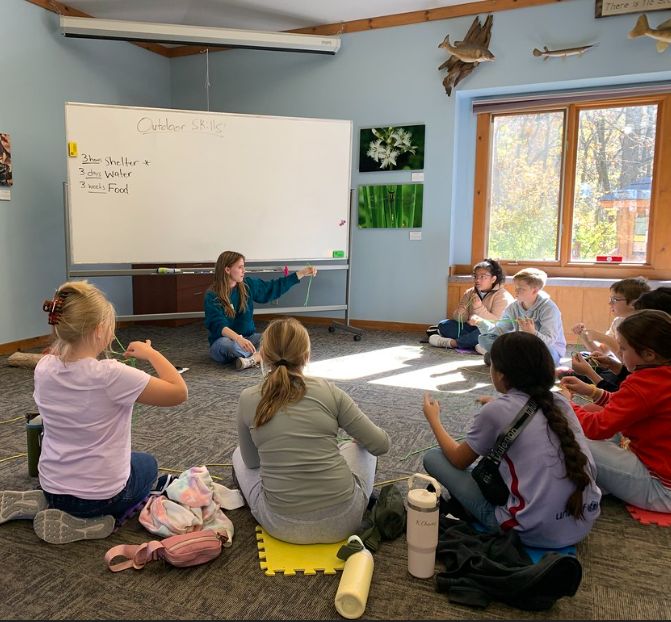
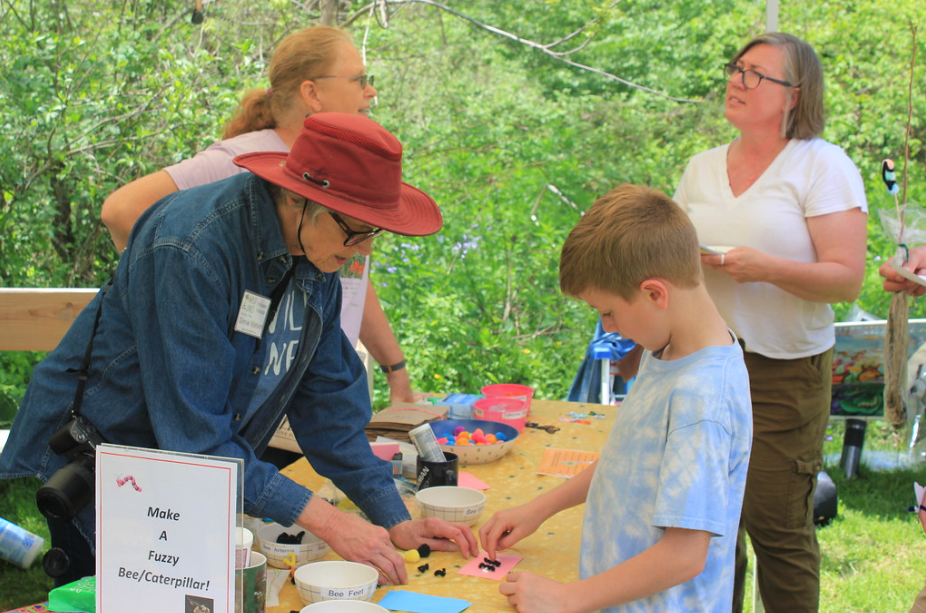
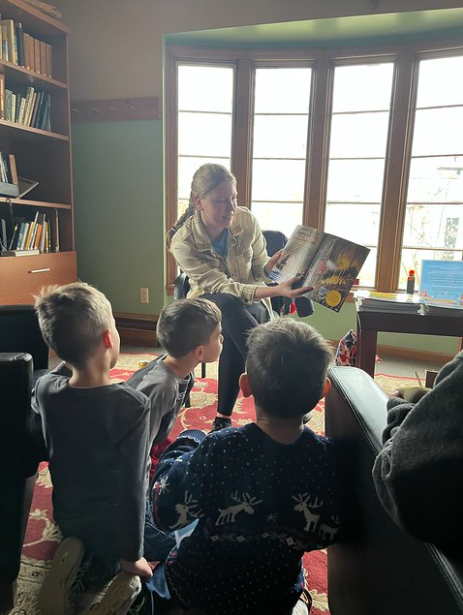
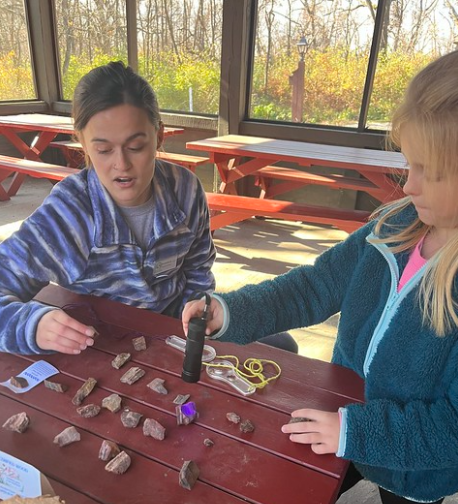
Service Description: Science Saturday volunteers lead themed hikes, lead activity tables, read guided stories, and help with themed crafts for participants to take home, so there is something for everyone to contribute.
Scheduling: Science Saturdays are the first Saturday of every month from 10:00 AM - 2:00 PM with a different nature theme each month. Registration required.
Interests and Qualifications: If you are interested in learning about a new nature topic each month and are comfortable leading small group activities with families, but only have a few hours to spare this is the perfect opportunity for you.
Accessibility: There are many stationary and some active opportunities inside and outside for Science Saturday volunteers. Ability to hear conversations with background noise is helpful.
Testimonial: "Volunteering at Severson Dells Nature Center is deeply fulfilling, allowing me to connect with nature and my community. Through Science Saturdays, I share the joy of learning with kids, and I can share with them my own curiosity about the natural world. I get to help kids with hands-on science learning activities and help kids learn about nature through reading.” - Maggie W.
Nature Center Host
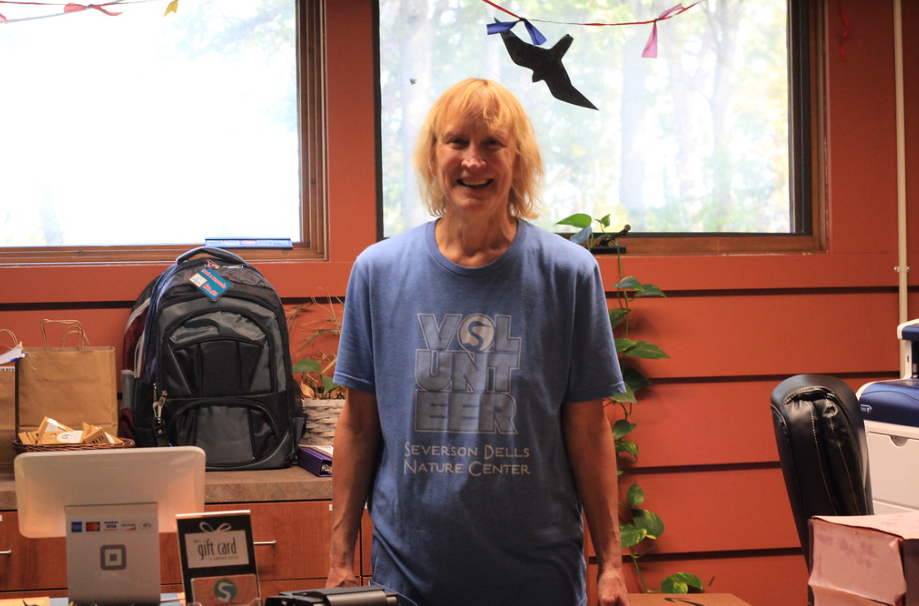
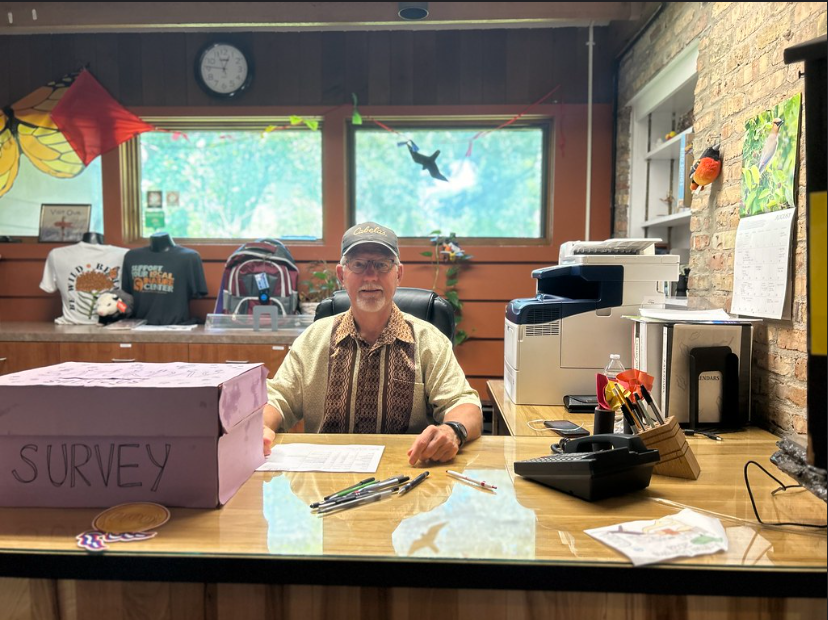
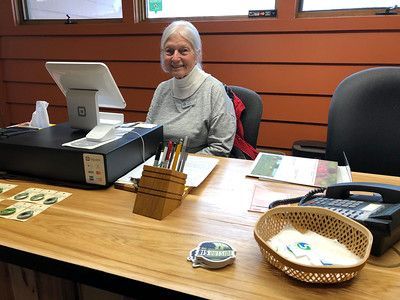
Service Description: Be by greeting visitors, answering the phone, ringing up purchases from the gift shop, and assisting members with checking out materials from our library.
Scheduling: Hosts staff the front desk in 4 - hour shifts on Saturdays, Sundays, and the occasional weekday depending on need. Registration required.
Interests and Qualifications: If you would enjoy being the first welcoming face people see when they visit our nature center and answer guest questions, this position may be a good fit for you. A warm personality, general nature knowledge, and the ability to give directions, do simple math, and use the telephone are all appreciated skills and make Severson Dells a sunnier place to visit!
Accessibility: Nature Center Hosts are a stationary and indoor position at the front desk.
Testimonial: "As a young family we took advantage of Severson Dells for the outdoor experiences, education, and events. As my children have grown and started their own families, I found myself missing the hustle and bustle of volunteering with school, scouts, robotics, and other family activities. Spending a few hours at the front desk each month has been great experience - whether it is a busy Science Saturday or a quiet morning greeting visitors and volunteers. It's been great reconnecting with this community resource again." - Polly K.
Conservation Crew
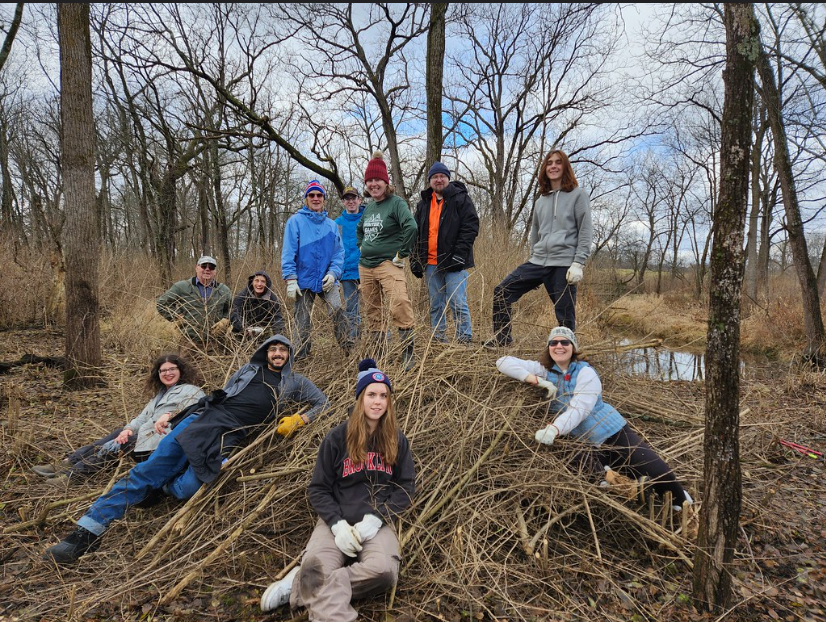
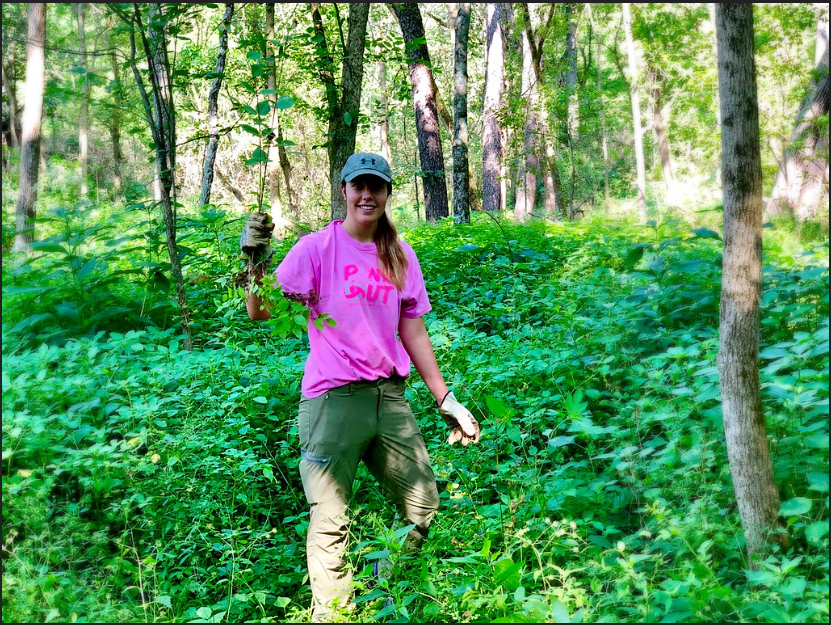
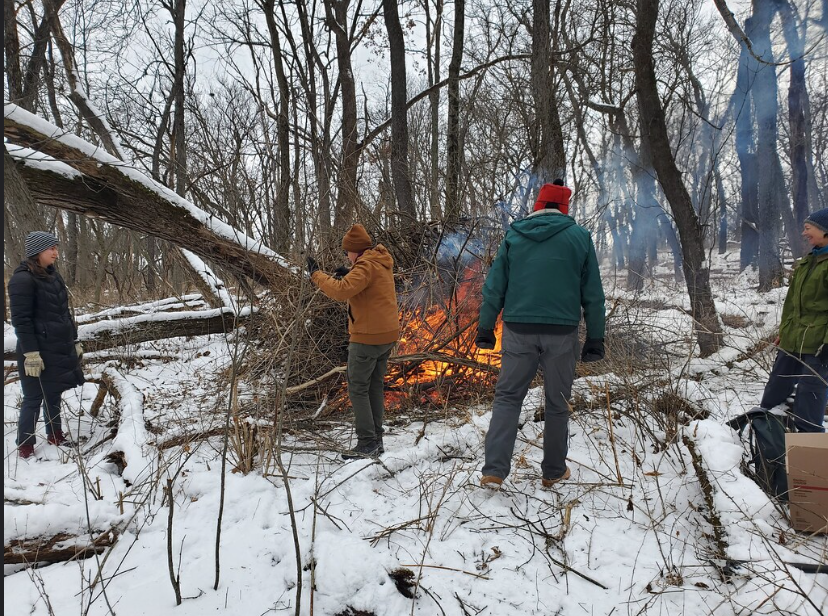
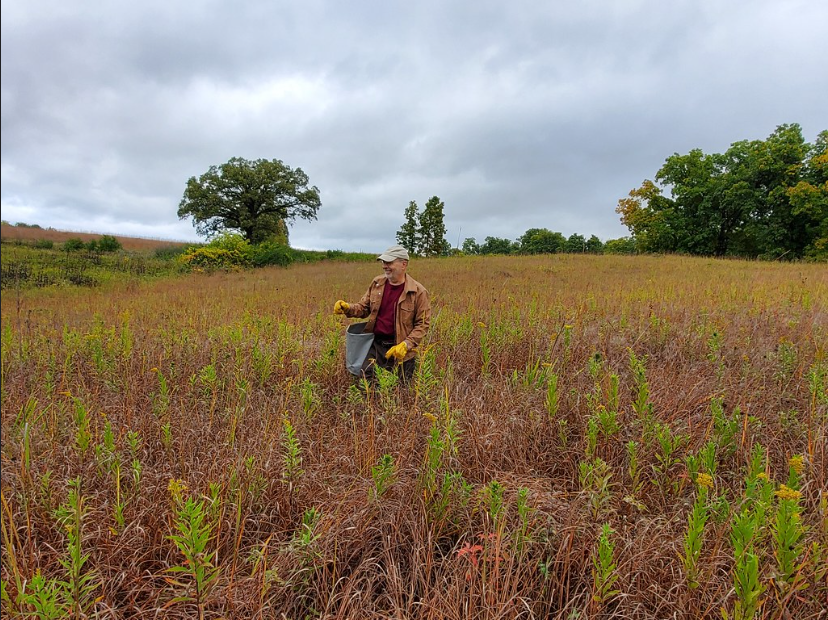
Service Description: Conservation crew members work together and outside to remove invasive plants, collect native seeds, and plant new seedlings to restore the land.
Scheduling: Restoration work days are every 2nd Saturday and 4th Monday 9:00 AM to noon.
Interests and Qualifications: Get outside and directly contribute to restoring and managing our land alongside fellow volunteers. Bring a water bottle, dress in layers, expect to get dirty and we will provide the tools.
Accessibility: This position is very active and takes place outdoors. Ability to use loppers and bend down are helpful
Testimonial: “On Restoration Workdays, I get to actively contribute to the health of our local environment, clearing invasive plants and supporting the Nature Center’s ecosystem. These workdays are very grounding experiences, and they bring me a sense of purpose by directly impacting the people and nature in my community.” - Maggie W.
To find more information about these positions visit https://www.seversondells.com/volunteer. Your community needs you as much as you need your community, so I urge you to consider opportunities like Severson Dells to start making a difference today!
Sources
AmeriCorps - About AmeriCorps
AmeriCorps, U.S Census Bureau - Volunteering and Civic Life in America - Illinois
Independent Sector - 2024 Value of Volunteer Time Report
National Library of Medicine - Exploring the Effects of Volunteering on the Social, Mental, and Physical Health and Well-being of Volunteers
Severson Dells - Volunteer
Western Connecticut State University - Benefits of Community Service

RECENT ARTICLES