FIELD NOTES BLOG
Spring Pollinators in Illinois
Take a look outside. Most of the flowers, trees, and plants you see exist because of a special group of insects and animals that transfer pollen from one plant to another. These insects and animals are referred to as pollinators, and they are essential for plant reproduction. Around three-fourths of the world’s flowering plants and about one-third of the world’s food crops depend on animal pollinators to reproduce! Pollinators do a lot for life on earth, and without them, our earth would look vastly different.
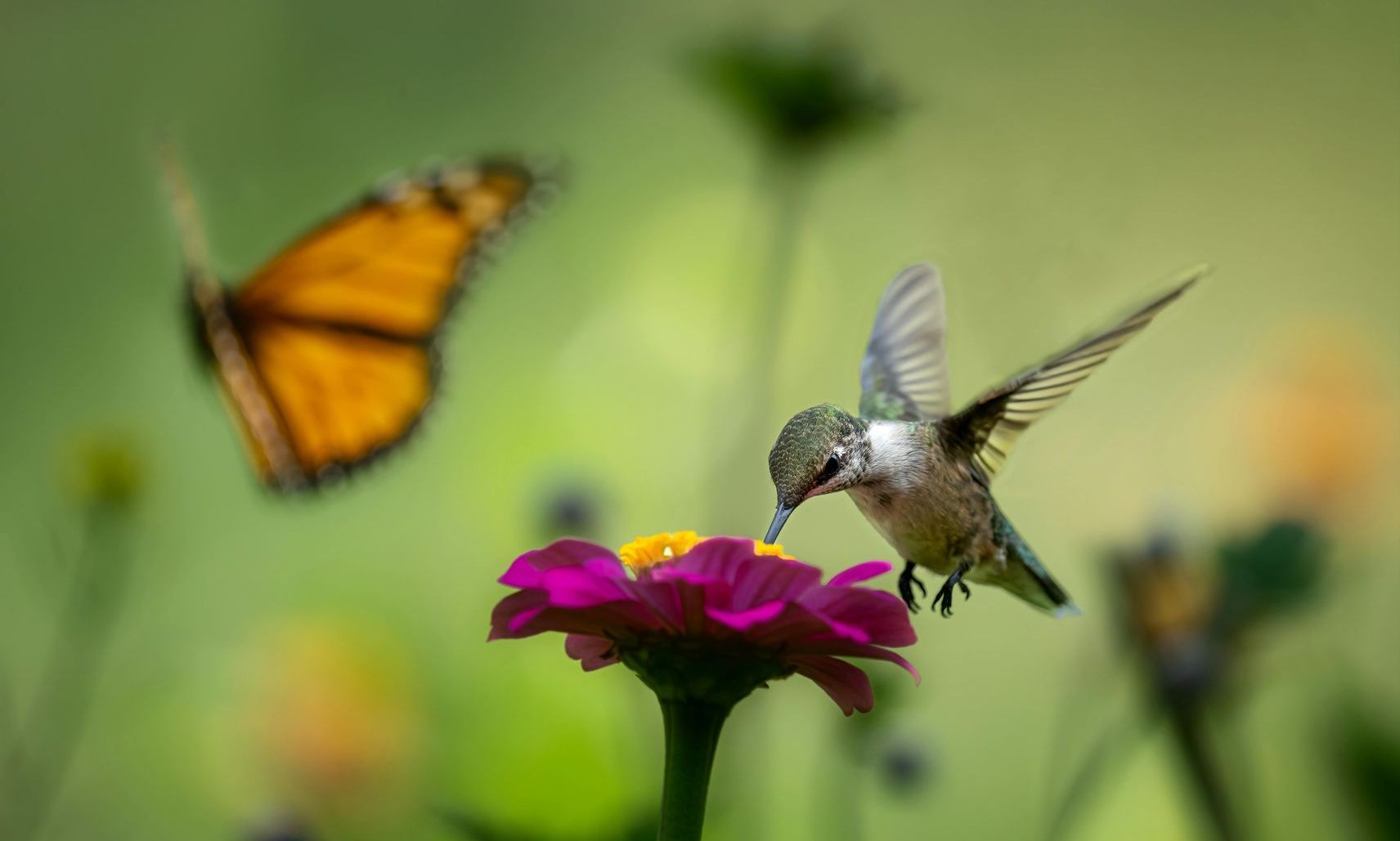
Pollination isn’t just a fancy scientific topic you learn about in elementary science, it’s an essential ecological survival function of all life on earth. Pollination occurs when birds, bees, bats, butterflies, moths, flies, beetles, wasps, water, wind, and more carry pollen from flower to flower or it is moved within flowers. Pollination is a symbiotic relationship, meaning, it is a mutually beneficial relationship both to plants and to pollinators. The act of pollination results in the production of seeds, and is necessary for many plants to reproduce. Lots of plants and flowers produce a sugary nectar that provides pollinators with carbohydrates, while pollen offers proteins, fats, vitamins, minerals, and necessary phytochemicals. This means that pollinators are attracted to and go towards these flowering plants because of the nutrients it provides for them, and along the way, pollen and seeds from these plants get stuck to pollinators’ bodies. When the pollinators fly onto the next plant, the extra pollen and seeds may be brought over to the next plant, or they might fall off somewhere in between the two. This happens often, and is responsible for the transfer of pollen between flowers, enabling fertilization, seed dispersal, and the creation of new plants. Therefore, pollinators play a crucial role in maintaining healthy ecosystems that clean the air, re-stabilize soils, limit erosion caused from severe weather, and by providing support for other wildlife.
While some plants are self-pollinated and others can be pollinated by the wind or water, many plants are pollinated primarily by insects. Overtime, plants have developed many complex ways of attracting pollinators, and pollinators have evolved with specialized traits and behaviors that enhance their pollination efforts. The most common pollinator insects found in Illinois include bees, beetles, butterflies, flies, hummingbirds, wasps, and moths.
Pollinator Spotlight
Bees:
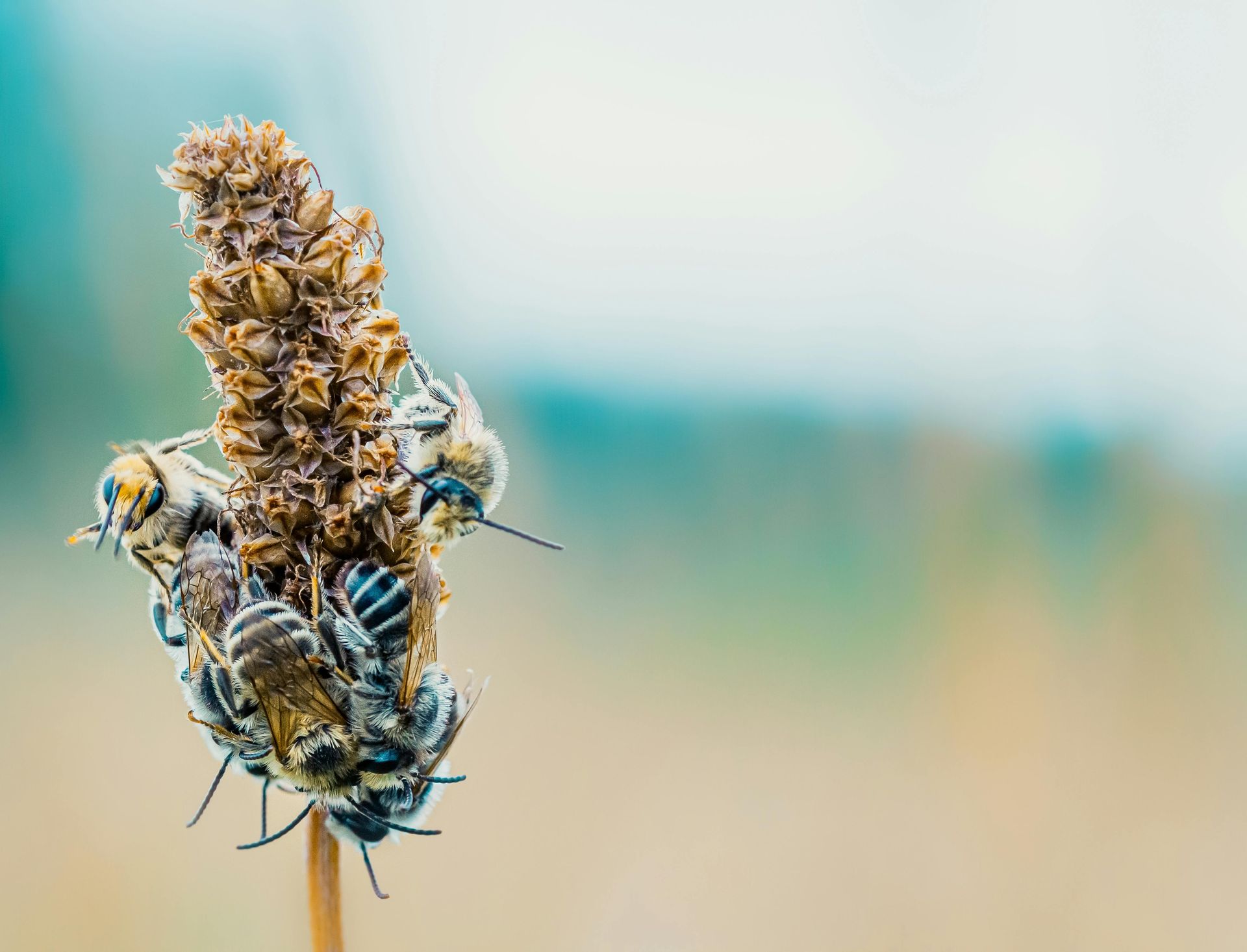
When most people think of a bee, they picture a golden honey bee or a big black and yellow bumble bee. However, there are around 500 different bee species that are native to Illinois, with each species having slightly different life goals and roles. Almost all of our bees in Illinois, ~90%, are generalist bees, meaning their pollen needs aren’t restricted to one specific flower, but instead, they will visit a wide variety of different plants. Bees are primarily interested in feeding upon the nectar produced by blossoming flowers, while also collecting pollen to mix with nectar and then feed to their young. When they move on and visit the next flower, some of the pollen may drop off the bee and onto the new flower, and this process continues on, allowing plant reproduction and crop production.
Beetles:
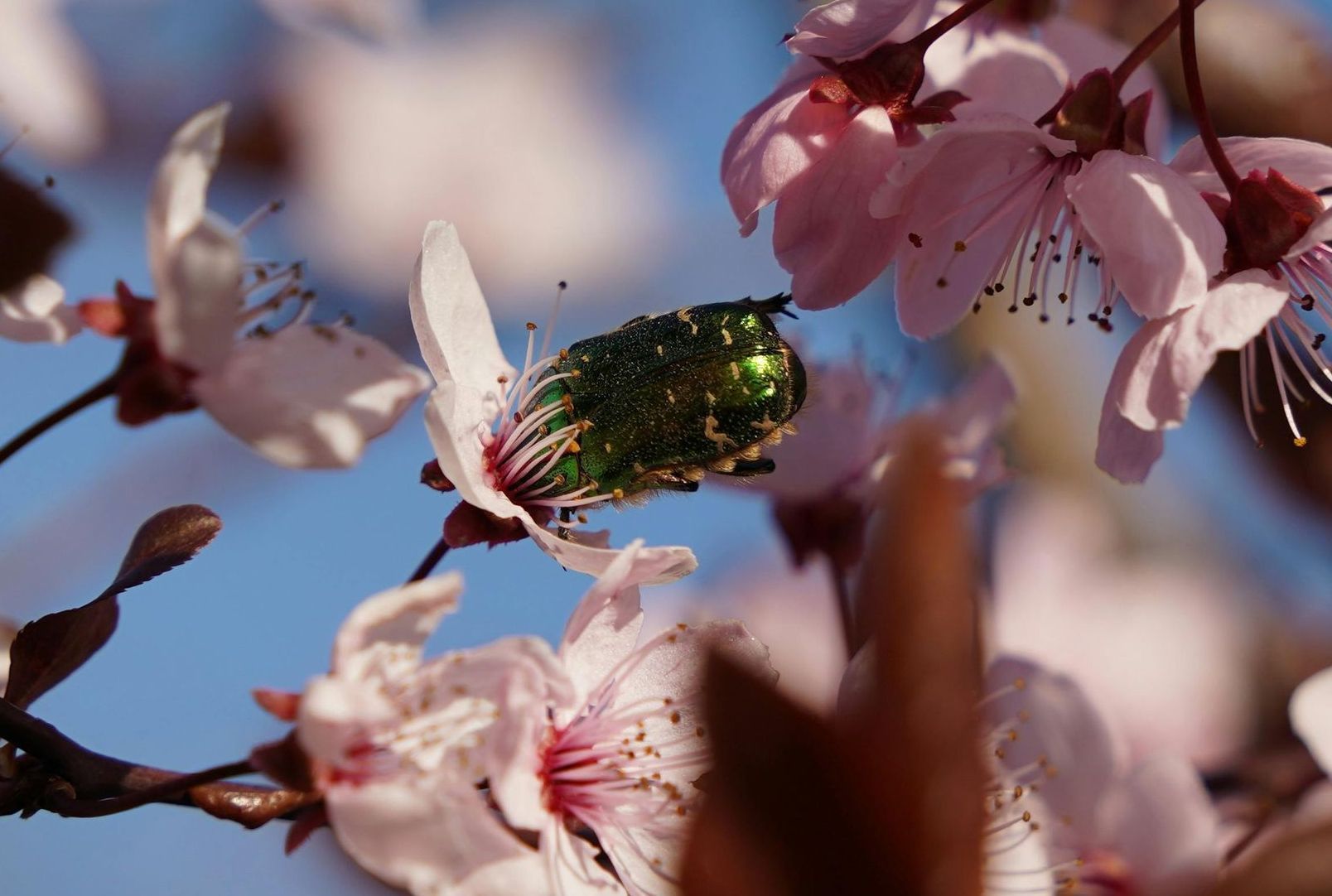
Around 130 million years ago, beetles were some of the first insect pollinators of flowering plants. Their existence dates back to the dinosaur age, and beetles make up about 40% of all insects in the world. Beetles are an insanely diverse group of insects, with over 380,000 species worldwide. Beetles are considered to be the “messy pollinators”, since they eat through leaves and petals, leaving holes behind, while foraging for pollen and nectar. They don’t have a specialized mechanism for picking up pollen, instead, as beetles move from flower to flower, pollen grains will stick to their bodies and fall off onto other flowers, pollinating them in the process.
Butterflies:
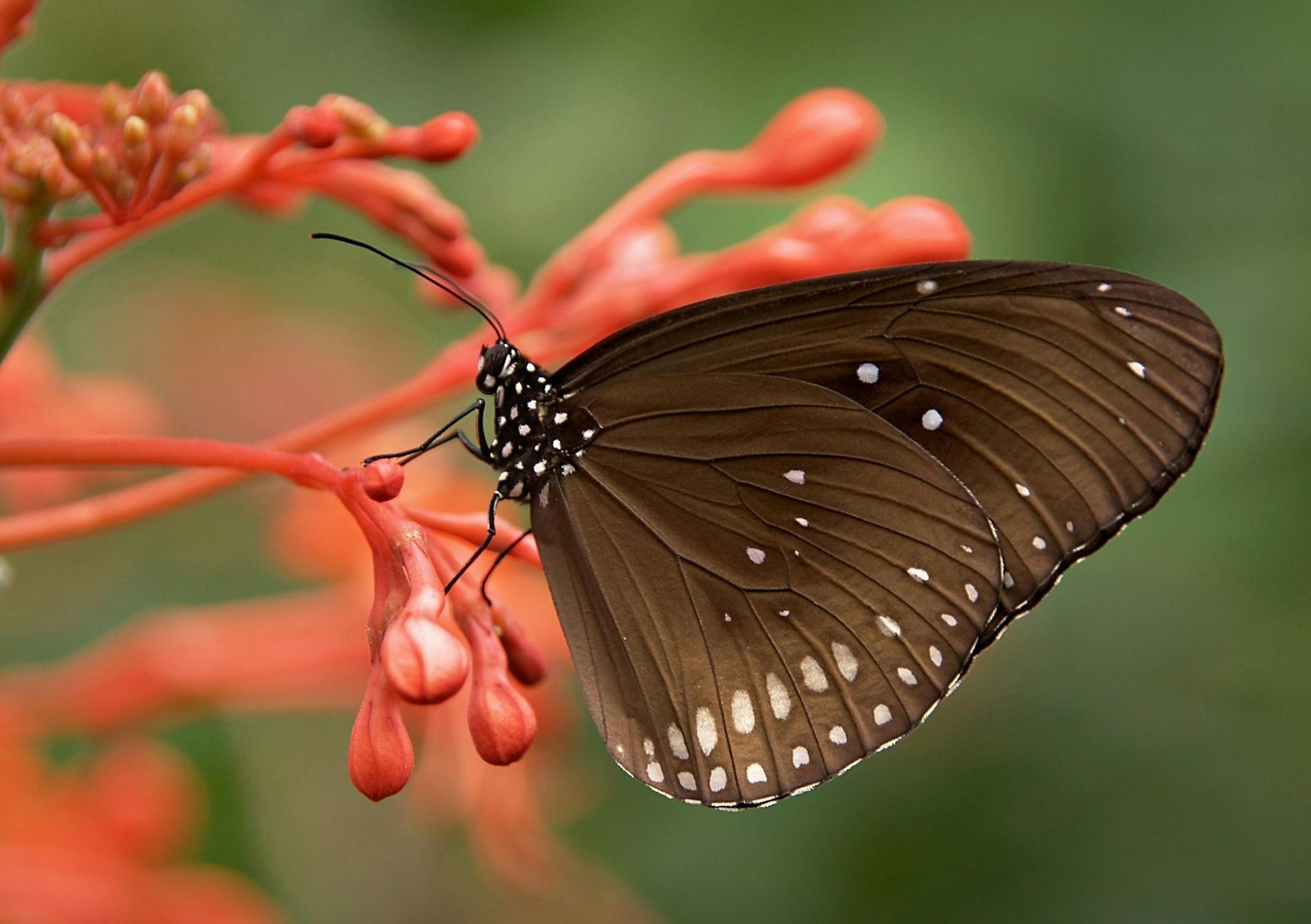
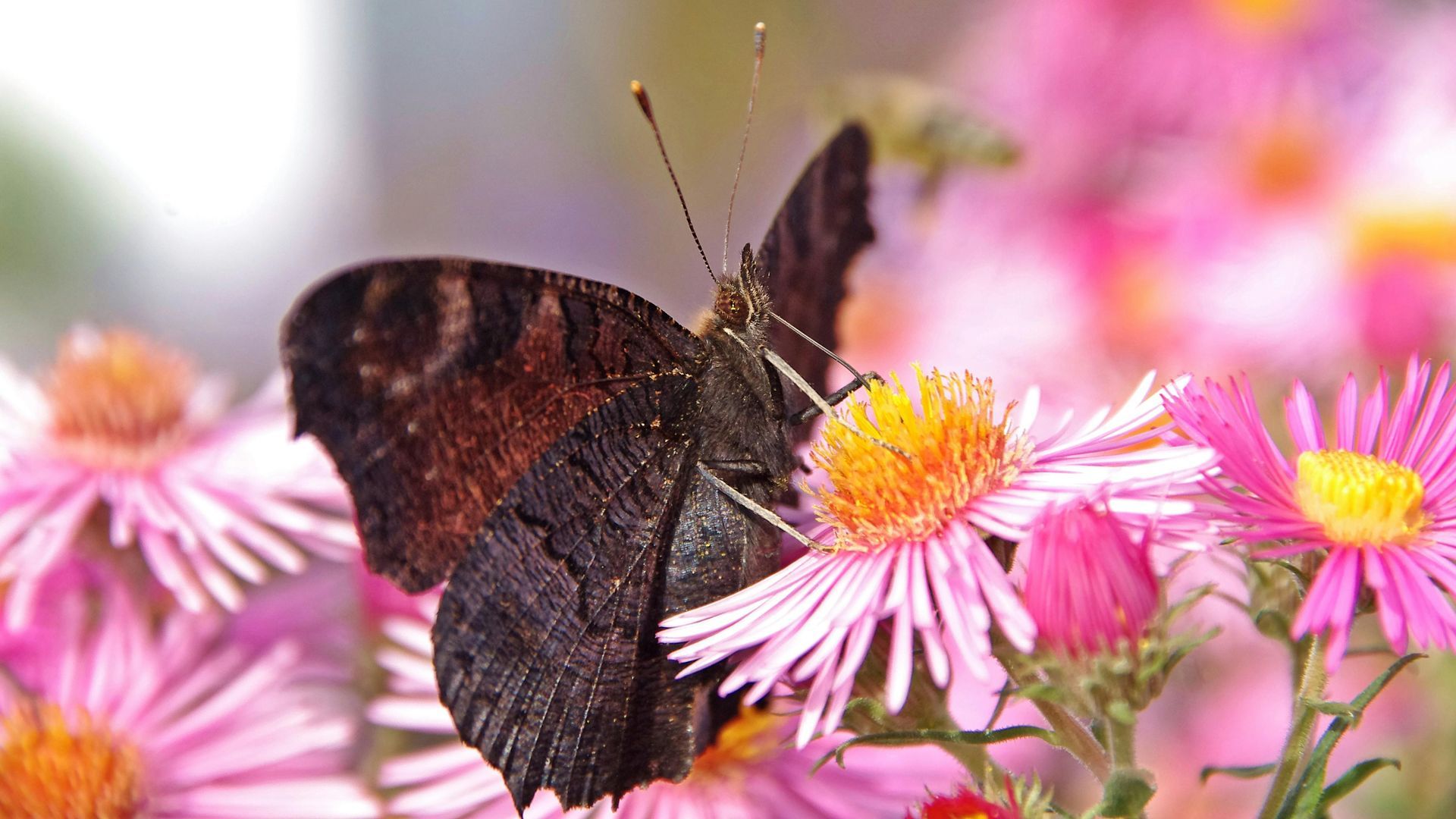
Similar to beetles, butterflies don’t have a specialized mechanism for transferring pollen, however, they do have a tube-like mouth which acts as a straw and allows them to probe flowers and suck nectar. When a butterfly lands on a flower to drink nectar, pollen gets attached to the body of the butterfly which ends up dropping and picking up more pollen as they go from flower to flower. Due to butterflies having long, thin legs and small body surface area, there isn’t much area for them to pick up pollen on their bodies, making them a less efficient, but still important, pollinator.
Flies:
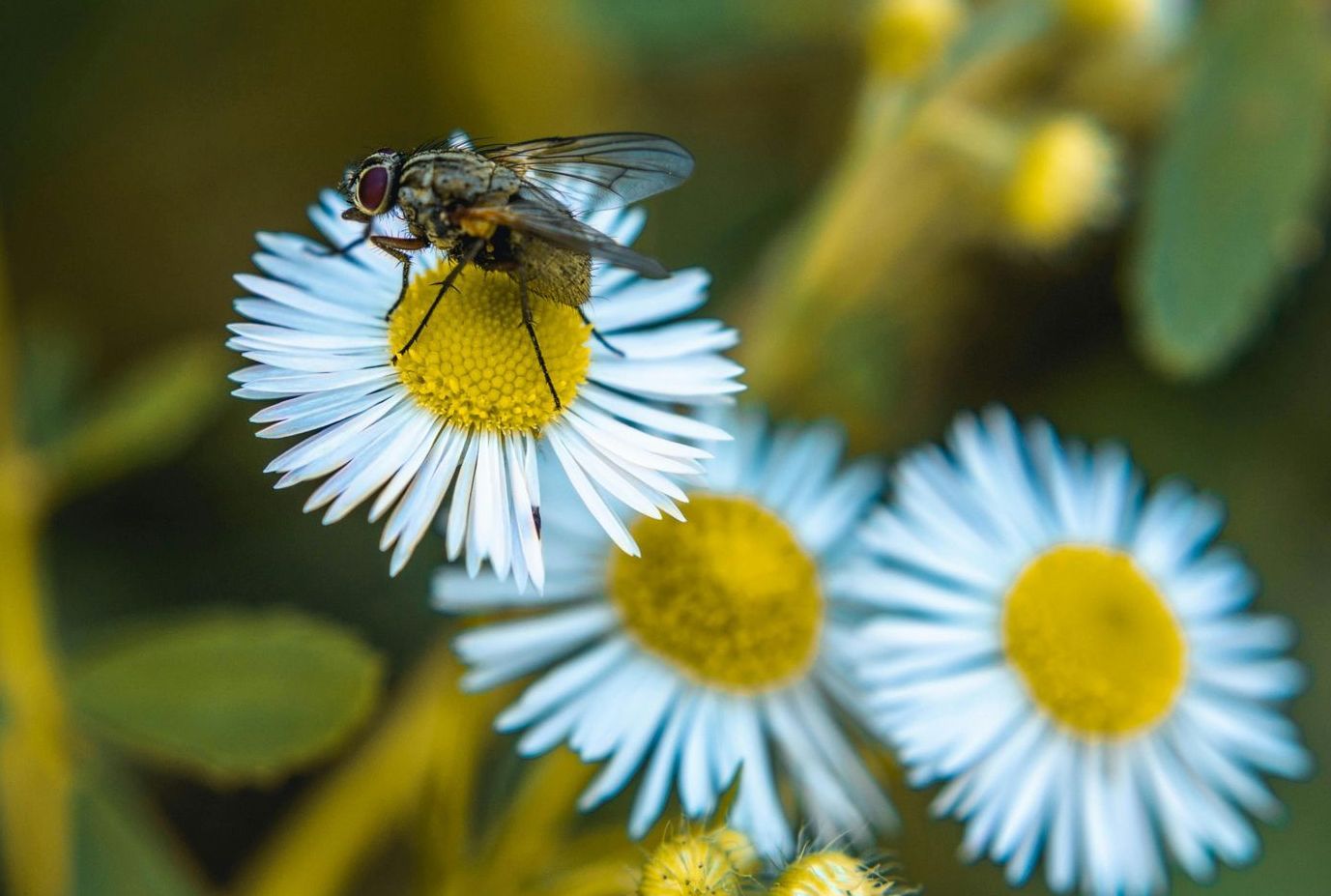
It may not seem true, but flies are the 2nd most efficient pollinators out of the insects. This is because they are abundant, and covered in lots of fuzzy hairs, so as they search for nourishment on flowers, pollen and nectar will stick to them, transferring pollen as they search from flower to flower. Flies are unintentional with their pollination, as they are searching for food, such as nectar or decaying organic matter, they inadvertently transfer pollen from one crop to another. Within the last few years, there has been growing recognition that flies make up a large portion of wild pollinators. However, not much research has been done surrounding this topic, so there’s a lot of unknowns about that part of flies' lives.
Hummingbirds:
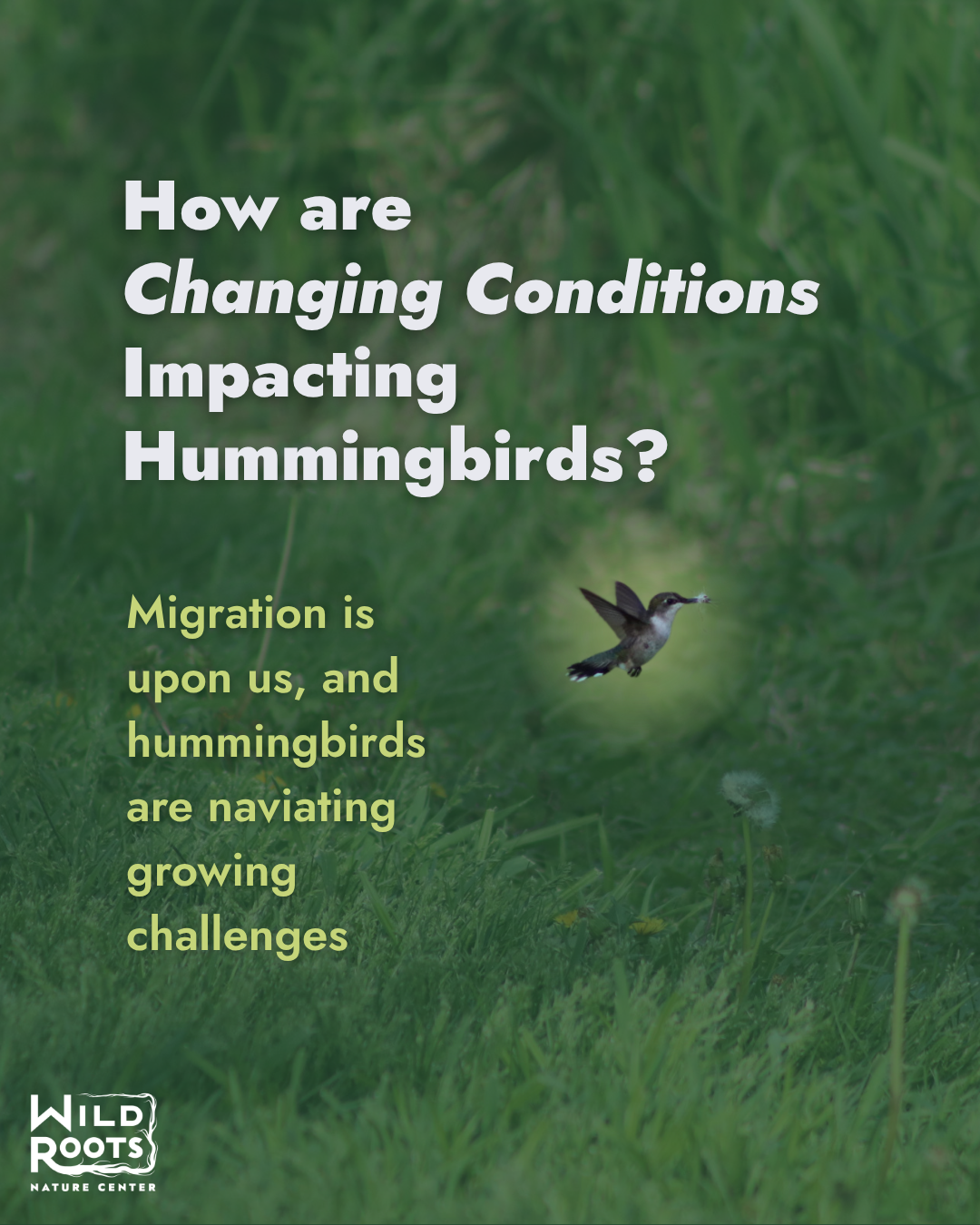
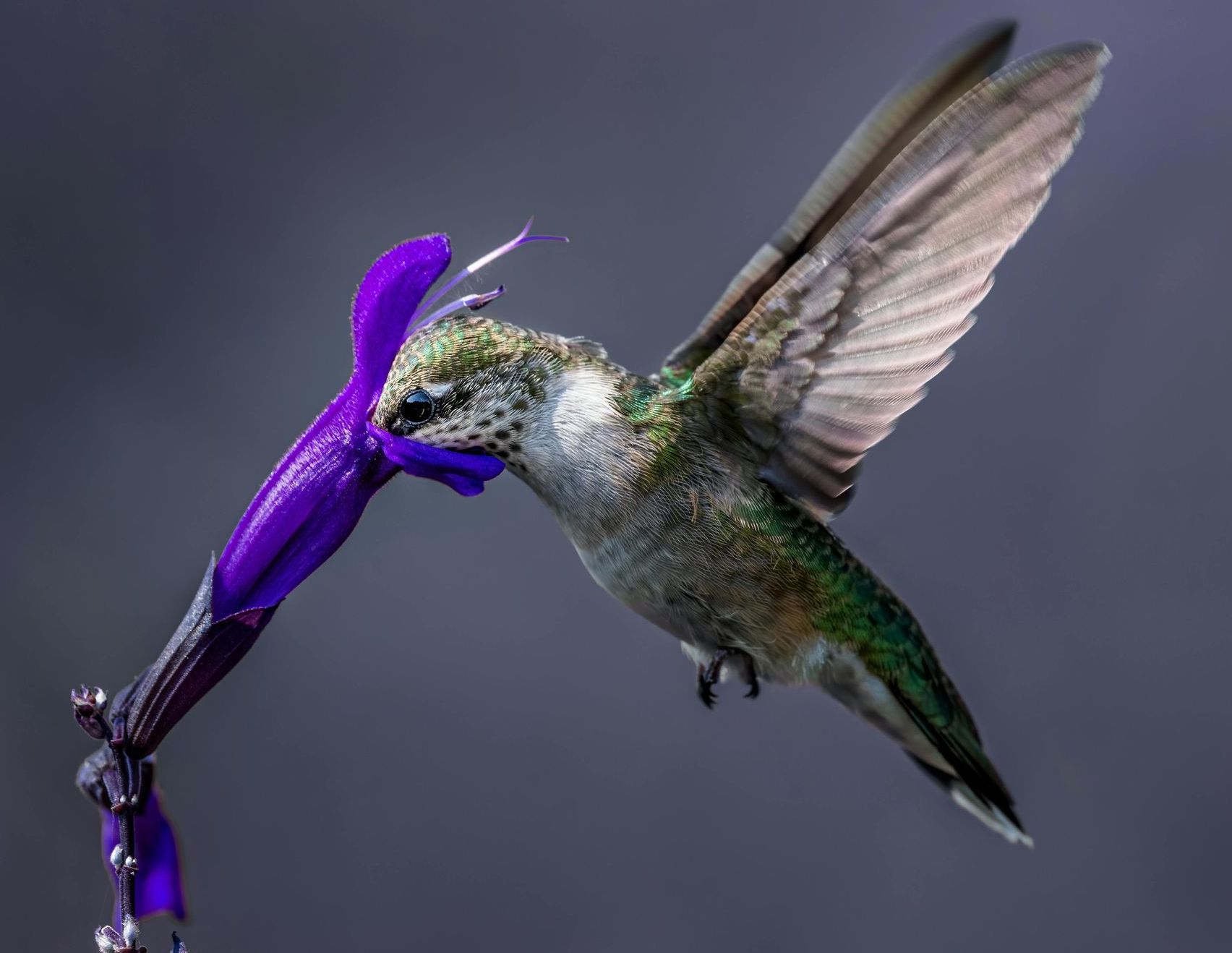
Hummingbirds are only found in the western hemisphere, and they are amazing pollinators. These birds have long, slender bills and straw-like tongues that allow them to drink nectar from brightly colored flowers. Hummingbirds drink up to two times their body weight daily, and as they drink from plants sticky nectar and pollen gets stuck to their beak/their feathers, so as they move from plant to plant, they carry and transfer pollen. When doing so, they inadvertently transport seeds which stick to their feathers and fall off along their journey.
Wasps:
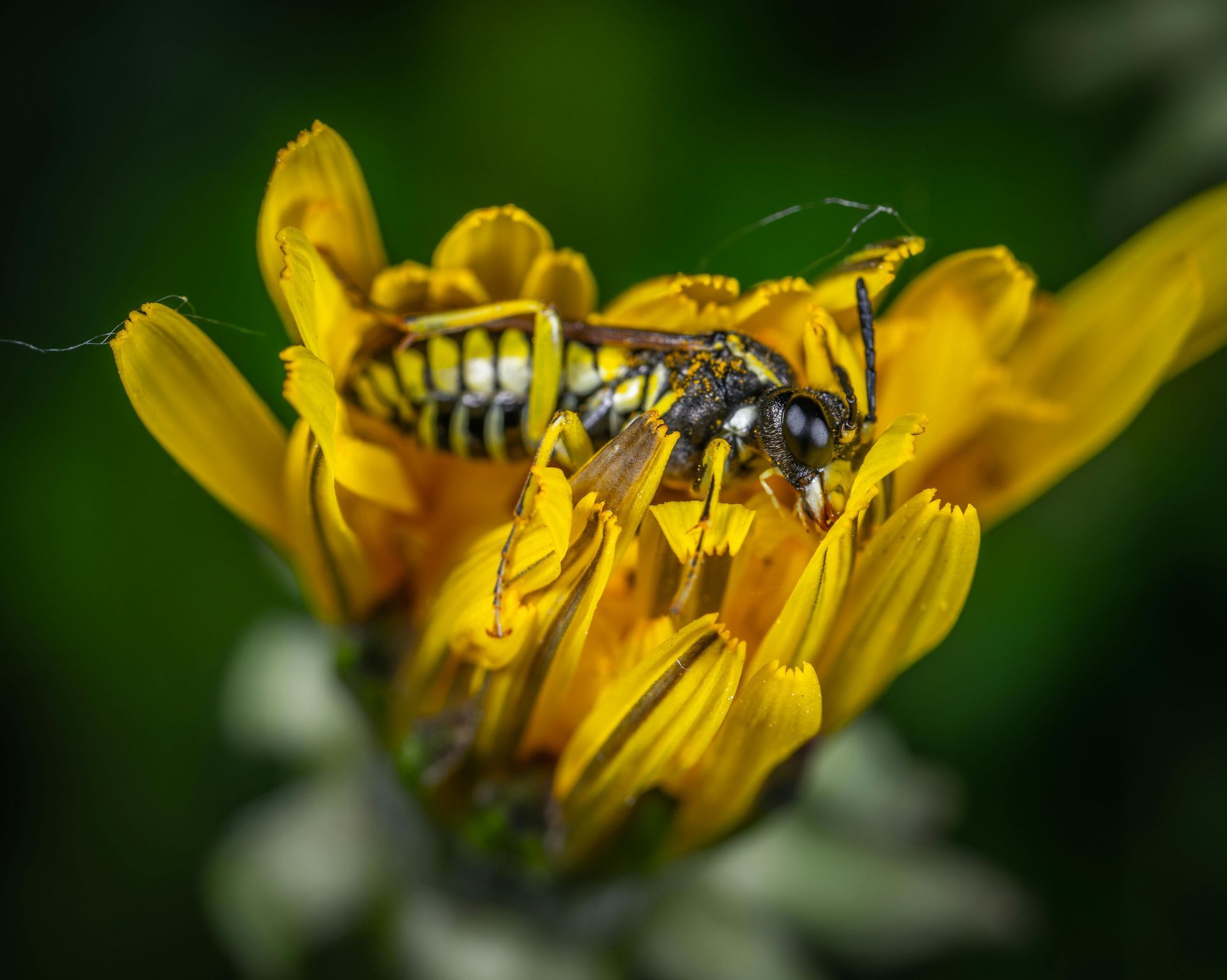
When compared to their friend the bee, wasps are less efficient at pollinating plants. This is because of them having less hair, and it being thinner, making it less likely for pollen to stick to them and transfer from flower to flower. However, wasps are apex predators of the insect ecosystem. Therefore, even though they aren’t the best pollinators, they help keep the other insect pollinators in line by providing insect population control. Nectar is the primary food source for adult wasps, and wasps have short mouthparts and tongues. Thus, in order to feed they must visit flowers with easily accessible nectar, and in the process, they cover themselves in nectar and move nectar along as they go to feed on the next flower.
Moths:
Moths are often overlooked as pollinators, even though they outnumber their counterpart: the butterfly by 10 to 1. However, this is primarily due to them being nocturnal, so they aren’t typically remembered when talking about insect pollinators. Moths are more efficient pollinators at night than day-flying pollinators, they visit plants more frequently and deposit pollen faster. Like butterflies, adult moths visit flowers to feed on nectar and the larvae (caterpillars) feed mostly on plants. While not all moths drink nectar, most do still feed on plants, such as drinking liquids from decaying plants. Moths visit the flowers that emit the strongest fragrances at night, which most daytime pollinators miss. They complement the work done by daytime pollinators and help to keep plant diversities abundant and diverse. Similar to all of the other pollinators covered thus far, moths are hairy and also covered in scales. This works to help insulate them and prevent heat loss during the night, but it also helps to transport nectar and pollen from plant to plant.
Pollination is important for a strong, healthy ecosystem. Unfortunately, pollinator populations are at risk and still declining, mostly due to habitat loss and as a result of improper usage of herbicides and pesticides. But don’t worry, there are things you can do to help your local pollinators! You can plant a pollinator-friendly habitat, by doing some research into your local pollinators, their flight paths around your house, what plants they like, and how to take care of them. When in doubt, native plants are always a good option!
Sources:
“The Importance of Pollinators.” USDA, U.S. Department of Agriculture, www.usda.gov/about-usda/general-information/initiatives-and-highlighted-programs/peoples-garden/importance-pollinators.
“Why Is Pollination Important?” US Forest Service, U.S. Department of Agriculture, www.fs.usda.gov/managing-land/wildflowers/pollinators/importance.
“Native Plants & Pollinators.” Illinois Plants, Illinois Native Plant Society, illinoisplants.org/wp-content/uploads/2019/05/Native-Plants-and-Pollinators-4.27.2019.pdf.
“Pollinators Need You. You Need Pollinators.” Pollinator.Org, Pollinator Partnership, www.pollinator.org/pollinators.
“Bees.” Illinois Pollinators, U.S. Department of Agriculture, illinoispollinators.org/what-are-pollinators/bees/.
“Wild about Illinois Native Bees!” Illinois, Illinois Department of Natural Resources, dnr.illinois.gov/education/wildaboutpages/wildaboutinvertebrates/wildaboutnativebees.html.
“Beetles.” Illinois Pollinators, U.S. Department of Agriculture, illinoispollinators.org/what-are-pollinators/beetles/.
Fallon, Candace. “Notes from the Other Orders: Beetles as Pollinators.” Xerces, Xerces Society for Invertebrate Conservation, www.xerces.org/blog/notes-from-other-orders-beetles-as-pollinators#:~:text=They%20are%20sometimes%20referred%20to,this%20feeding%20damage%20by%20beetles.
“Butterflies.” Illinois Pollinators, U.S. Department of Agriculture, illinoispollinators.org/what-are-pollinators/butterflies/.
Pain, Stephanie. “How Much Do Flies Help with Pollination?” Smithsonian Magazine, Smithsonian Institution, www.smithsonianmag.com/science-nature/how-much-do-flies-help-pollination-180977177/#:~:text=Like%20bees%2C%20many%20of%20these,fly%20from%20flower%20to%20flower.
“Pollinators - Hummingbirds.” National Parks Service, U.S. Department of the Interior, www.nps.gov/articles/hummingbirds.htm.
“Wasps.” Illinois Pollinators, U.S. Department of Agriculture, illinoispollinators.org/what-are-pollinators/wasps/.
Schueman, Lindsey Jean. “How Moths Keep Our World Blooming, Pollinating in the Night.” One Earth, One Earth Navigator, www.oneearth.org/how-moths-keep-our-world-blooming-pollinating-in-the-night/.
“Moths.” Illinois Pollinators, U.S. Department of Agriculture, illinoispollinators.org/what-are-pollinators/moths/.
Please note: This blog was authored by former AmeriCorps member Shannon Osadjan. For an update on the current state of the AmeriCorps program at Severson Dells Nature Center, please visit: https://www.seversondells.com/americorps-cuts-at-severson-dells

RECENT ARTICLES