FIELD NOTES BLOG

Let It Snow: 2025-2026 Snow Report

Lauren Bonavia
February 11, 2026

Snowfall Conditions, Trends, and Expectations for this season

As most midwesterners know, our weather varies greatly year to year - even day to day. We are no stranger to dramatic 50+ degree swings in temperature, and it's not all that uncommon to wear an insulated coat one day and sandals the next. Similarly, snow amounts vary annually, seemingly with no rhyme or reason. This season we have already experienced more snowfall than previous years, but are still far behind regional records.


Fortunately for researchers, the Chicago-Rockford International Airport is home to a
NOAA National Weather Service station that measures and shares climatological data like precipitation, temperature, wind speed, among many other variables. Today, we are focusing on precipitation, namely: snow.
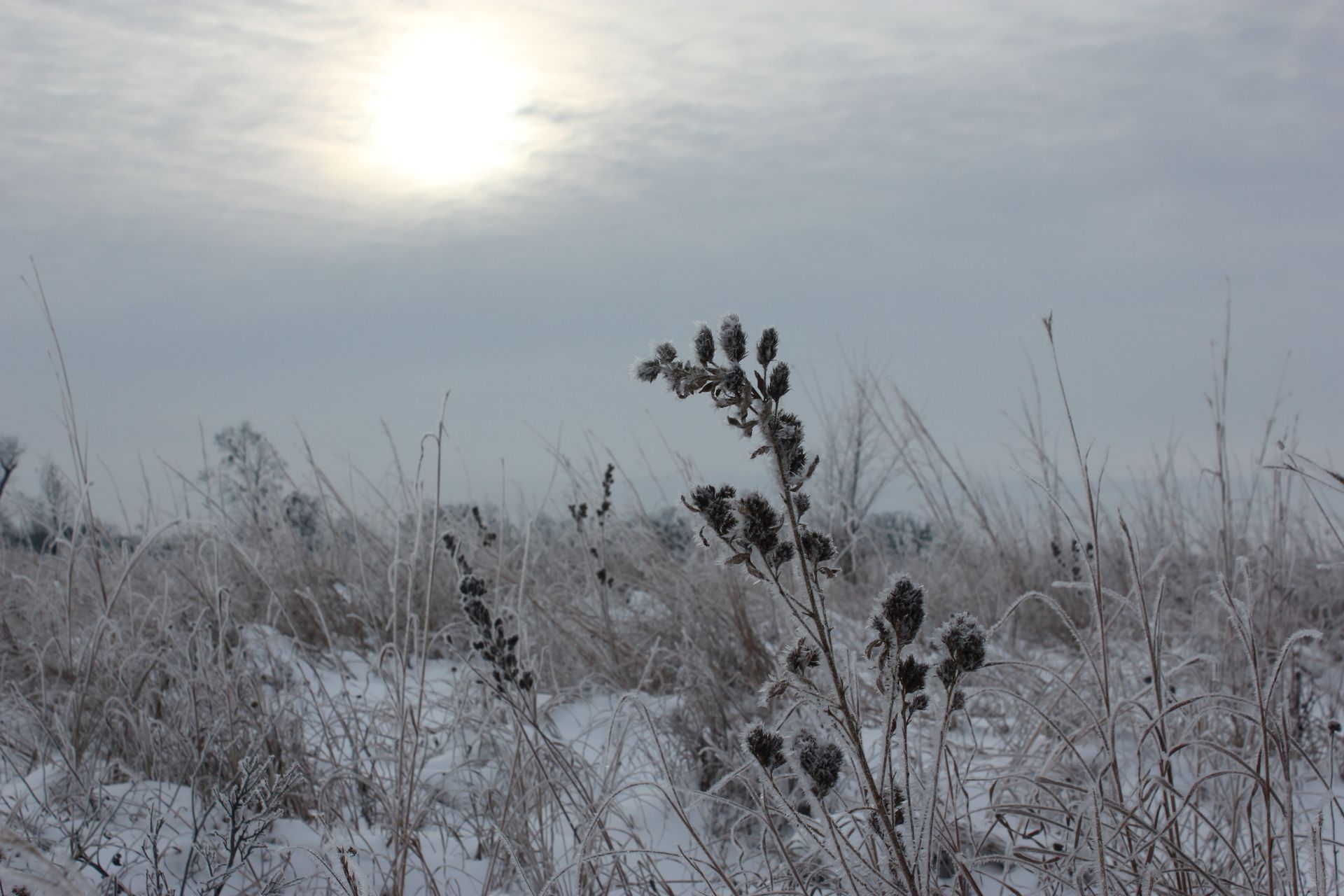
Round-headed bush clover in a snowy prairie.

Patterns and trends

First, let’s bring it back to Earth Science class to talk about the La Nina and El Nino weather patterns. You can read all about it in a previous blog here: https://www.seversondells.com/blog/laninawinter. La Nina is the pattern that we are currently experiencing, and can explain the damp winter we have had thus far. Contrarily, El Nino is the weather pattern that causes more mild, dryer winters.


Before talking numbers, it's important to preface that minute, hyperlocal changes in temperature can mean the difference between no snow or lots of it in a specific area, and conditions may differ just a few streets away. Snow can be difficult to predict. Climatologists and Meteorologists use different models to attempt predicting the future, but these are just
models.

The cold, hard data

For the purposes of this blog, I looked at snow accumulation data from November through March, as these are the most consistent months we receive snowfall.
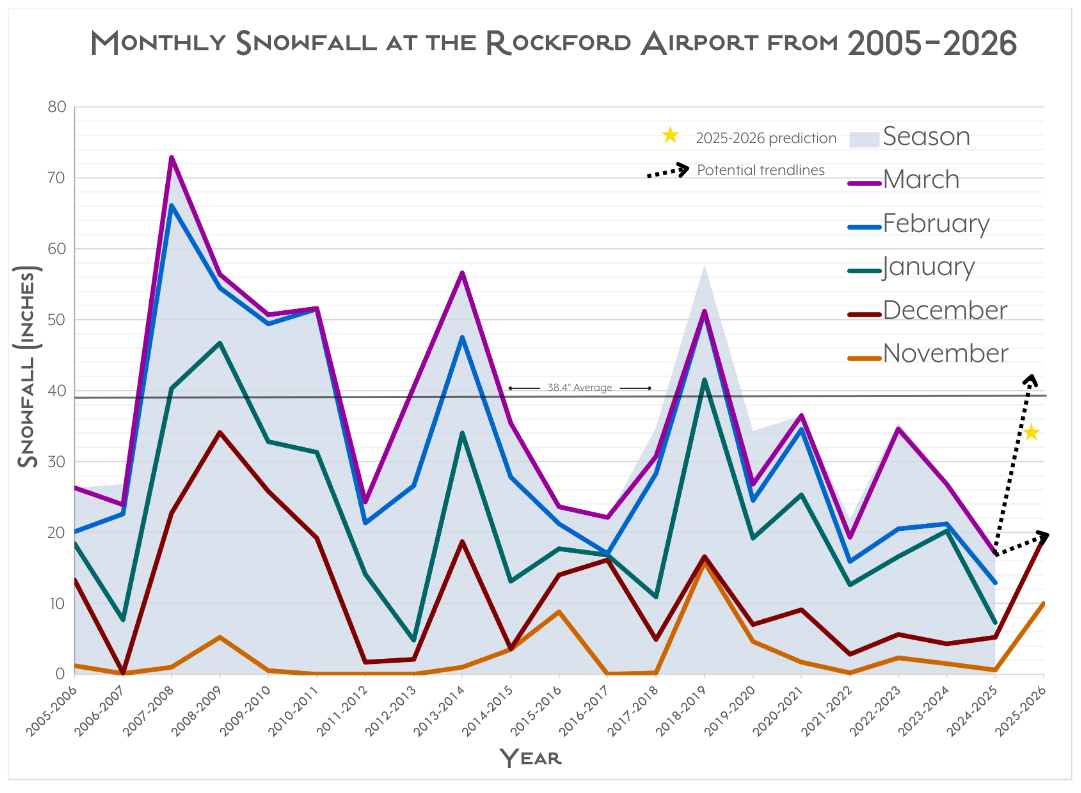
Line graph showing snow totals in Rockford, Illinois from 2005-2026.

The AccuWeather exclusive forecast predicts 32-38” of snowfall for this season, which is in line with the 30 year average (38.4” between 1991-2020), but is significantly higher than last year’s cumulative snowfall totalling only 17.6”. As of the first week of December, Rockford had already recorded as much snow as the entire previous winter at 17.1”. In fact, this has been the snowiest start to winter since recordkeeping began 120 years ago around 1905. While there is no long-term trend in snowfall in Illinois, the last decade has shown more variability, accounting for the big changes we see year to year.


While researching, I noticed that January and February tend to be peak snowfall months, so don’t be fooled by the lack of snow right now because the worst may be yet to come. 


Other (not-so-technical) Prediction Methods

For as long as humans have existed, we have searched and invented ways to measure, tell, and document time, including anticipating the future. Natural phenomena can provide an ecological calendar for our reference.


One common anecdote of winter severity involves a frequent backyard visitor: the wooly bear caterpillar. Folklore suggests that the wider the black bands on a wooly bear caterpillar, the more bitter the upcoming winter will be. Contrarily, a wider brown band indicates a milder winter ahead. Some people also note the thickness of the wooly bear’s ‘coat’ as well as the direction of travel (i.e. headed south to escape the winter!).
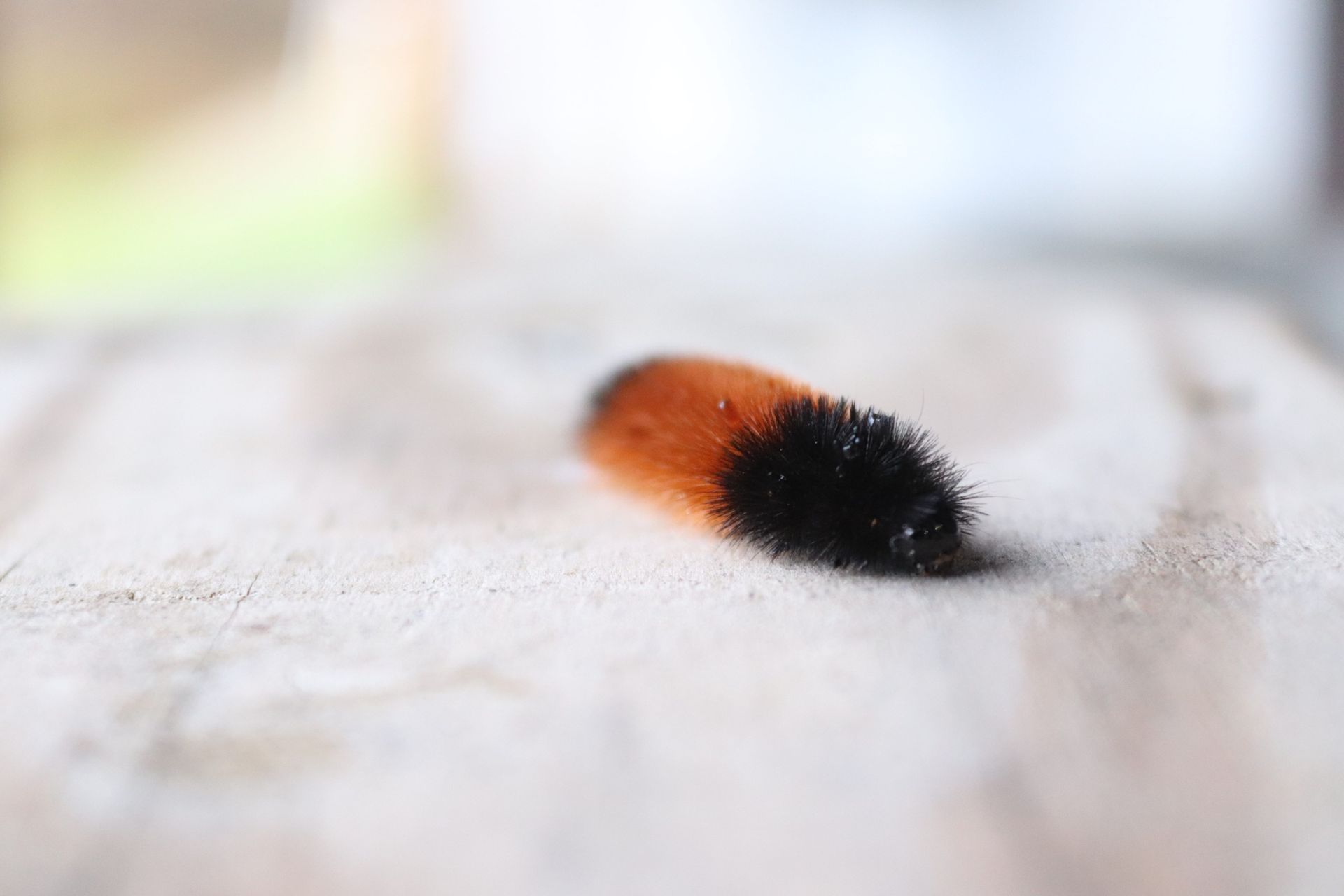
Woolly bear caterpillar crawling on wood.

Another famous animal we turn to for wintertime answers is Punxsutawney Phil on February 2nd for Groundhog Day, where the presence of his shadow predicts how many more weeks of cold winter are yet to come. 

In more fun and potentially predictive animal news, there is speculation in the bird world that this may be an irruption year for Arctic birds like the snowy owl. An irruption year (different than volcanic eruptions) describes an ecological event where suboptimal conditions in the arctic circle drive wildlife populations further south in search of food. Humans sometimes use the presence of snowy owls as a cue for winter severity: Colder conditions in the arctic translate to colder conditions elsewhere as well. You may have already heard about a pair of snowy owls hanging out around Montrose Point Bird Sanctuary on the Chicago lakefront back in November. Other notable occurrences in recent years include 2011-2012, 2013-2014, 2018-2019, and 2021, which typically coincided with other high snowfall years.


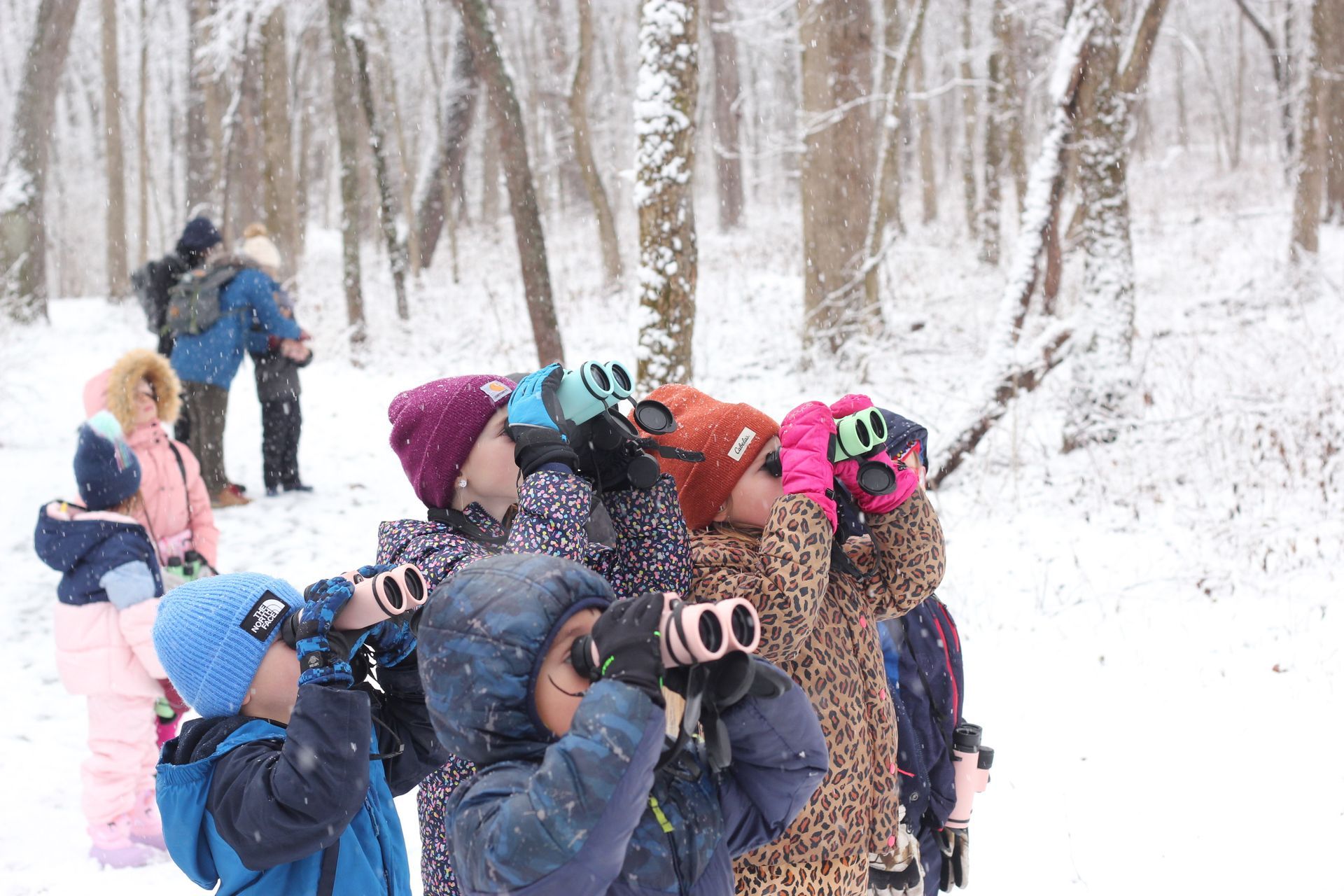
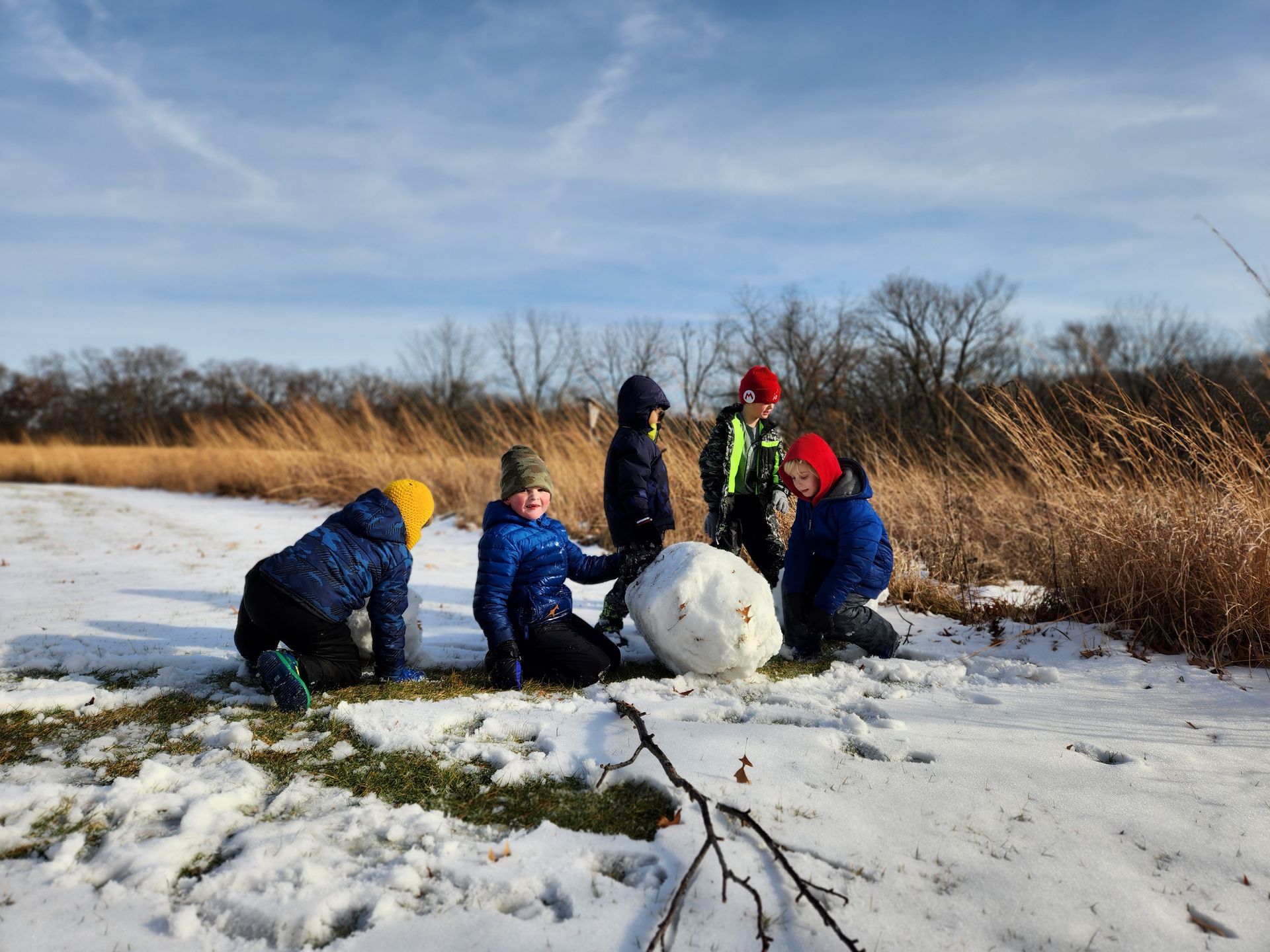
Regardless of what the future weather may look like, winter provides great opportunities for us to spend time outdoors. Whether you build a snowman, make ephemeral art in your backyard, watch birds, volunteer at a conservation workday, or just take a walk in your neighborhood - the most important thing is getting outside! And you’re in luck as we have plenty of programming this winter to enjoy. View all of our programs here: https://www.seversondells.org/events 
RECENT ARTICLES

By Brynn Vega • October 6, 2026
Introducing Brynn!
By Lauren Bonavia • September 24, 2026
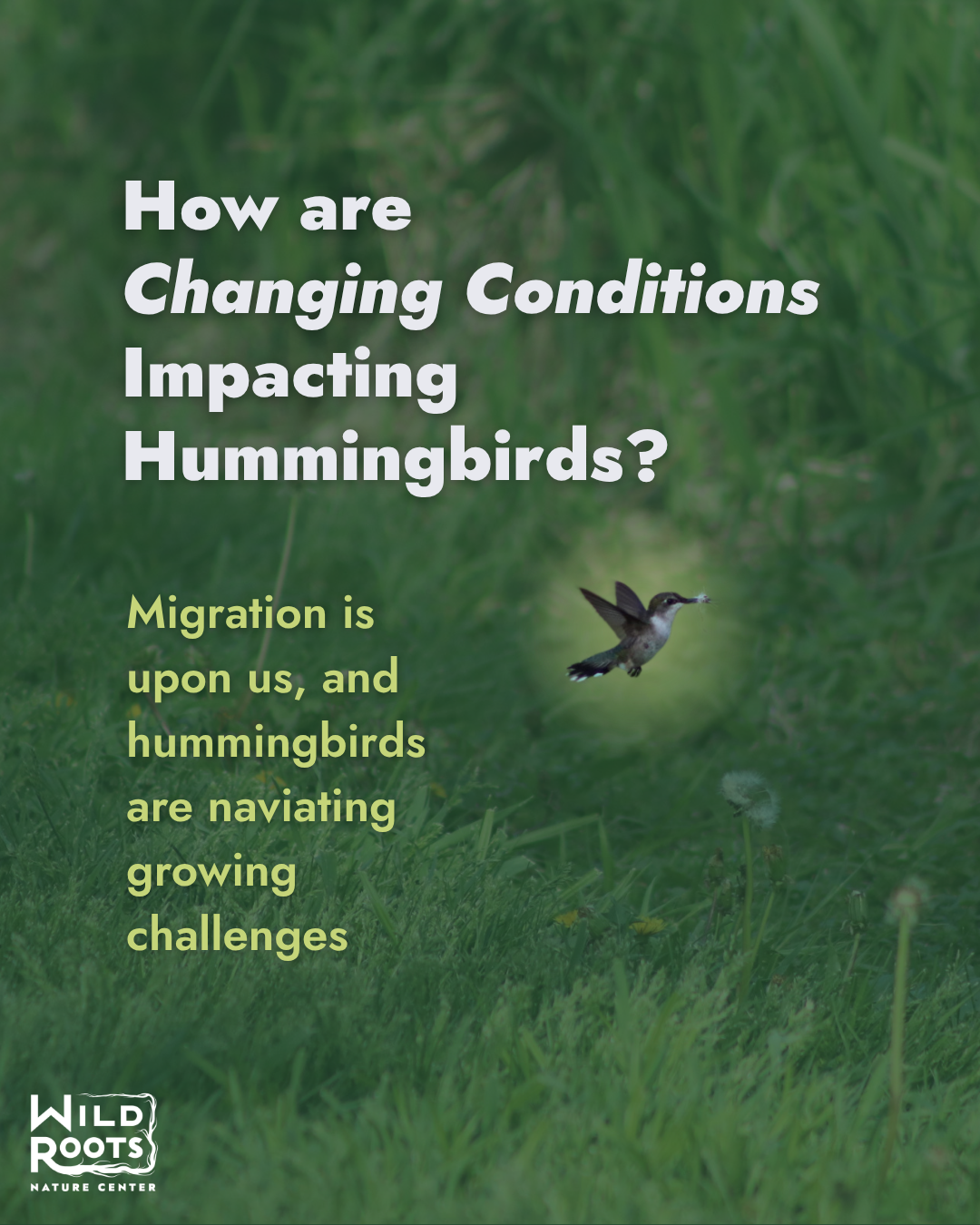
With fall’s cool air upon us, and the shorter days following the Autumn equinox on September 22nd, migration has been set into motion. Migration is the cyclical phenomenon where animals move over large distances, driven by environmental changes such as length of day and temperature. Meet the Ruby-throated Hummingbird Ruby-throated hummingbirds are our resident hummingbird species in the Great Lakes region, and throughout the Eastern United States. They are metallic green, with males sporting the namesake bright ruby throat. Adults measure only 3 to 4 inches long, and weigh 2-6 grams - that is less than a quarter! Ruby-throated hummingbirds breed in the forests and fields of eastern North America during spring and summer, and migrate south to tropical forests and scrublands to spend the fall and winter. Hummingbirds rely on nectar from flowering plants as their primary food source, and this develops a close relationship between the animal and the plant. Hovering, or the ultra-fast flying they are capable of, is an essential feeding behavior that is very energetically expensive to maintain, which is why it is so important that hummingbirds have adequate food sources to fuel themselves. Hummingbirds need to eat 5-6 times per hour to fuel their fast metabolism. Threats to Hummingbirds Flower Blooming Periods Imagine that you show up to your favorite restaurant just as they close the kitchen - even though the internet said they would be open and you have been there dozens of times before at that exact time - this is how a hummingbird feels. Plants are blooming at earlier times each year because of changing climate trends, causing concern that hummingbird arrival may become mismatched with the blooms they depend on so heavily. This is especially pronounced at higher latitudes, or closer to the poles, and could even create limits to migration and contract ranges if nesting success is impacted. This matters because hummingbirds also have important jobs in ecosystems. Because hummingbirds get the other non-nectar portion of their diet from insects, they play a role in balancing pest populations. Humans also depend on pollinators, like hummingbirds, to pollinate our food crops! Hummingbird Adaptations To combat the impacts of a changing world, some animals move physical locations to go somewhere else more suitable. Higher altitudes typically have lower temperatures, so moving up in elevation can counteract localized warming, but this is not a catch-all solution. Scientists with the National Science Foundation reported that hummingbirds that relocated to high altitudes had a significant decrease in metabolic rate, suggesting that low air pressure and oxygen availability reduces hovering performance in Anna’s hummingbirds, and even pushes them into nightly hibernation. Facing these physiological challenges only becomes more costly for low-elevation hummingbirds that are driven to find new food sources. Another study from The Auk assessed the migration of ruby-throated hummingbirds and found that the birds are moving roughly 2 weeks earlier than historical records show. The scientists found correlation between earlier arrivals to breeding grounds, and warmer winter and spring temperatures in North America, which is a trend that experts expect to continue. If they continue to leave early, they will arrive at different times than the flowers they feed on. How can I help hummingbirds? Scientists are still learning how hummingbirds are adapting, but there are lots of ways you can support these important pollinators amidst the challenges they are facing. The best place to start is your backyard. You can… Record data for community science projects like BudBurst to share flowering plant data with scientists Plant native flowering plants, like those found in this guide from the US Department of Agriculture suggests Supplement nectar resources in your backyard with birdfeeders that are monitored/cleaned regularly Next time you see a hummingbird, consider the distance it’s travelled for you to see it, and the amazing life that supported that journey!  Sources Courter, Jason R., et al. “Assessing migration of ruby-throated hummingbirds ( Archilochus colubris ) at broad spatial and temporal scales.” The Auk , vol. 130, no. 1, Jan. 2013, pp. 107–117, https://doi.org/10.1525/auk.2012.12058. McKinney, Amy M., et al. “Asynchronous changes in phenology of migrating broad‐tailed hummingbirds and their early‐season nectar resources.” Ecology , vol. 93, no. 9, Sept. 2012, pp. 1987–1993, https://doi.org/10.1890/12-0255.1. Spence, Austin R., et al. “Anna’s hummingbird ( Calypte anna ) physiological response to novel thermal and hypoxic conditions at high elevations.” Journal of Experimental Biology , vol. 225, no. 10, 15 May 2022, https://doi.org/10.1242/jeb.243294. Austin R. Spence, Hannah LeWinter, Morgan W. Tingley; Anna's hummingbird (Calypte anna) physiological response to novel thermal and hypoxic conditions at high elevations. J Exp Biol 15 May 2022; 225 (10): jeb243294. McKinney, A.M., CaraDonna, P.J., Inouye, D.W., Barr, B., Bertelsen, C.D. and Waser, N.M. (2012), Asynchronous changes in phenology of migrating Broad-tailed Hummingbirds and their early-season nectar resources. Ecology, 93: 1987-1993. Courter, J.R., Johnson, R.J., Bridges, W.C., Hubbard, K.G., " Assessing Migration of Ruby-Throated Hummingbirds (Archilochus colubris) at Broad Spatial and Temporal Scales ," The Auk, 130(1), 107-117, (1 January 2013) University of Maine Ruby-Throated Hummingbird Fact Sheet https://www.allaboutbirds.org/guide/Ruby-throated_Hummingbird/lifehistory This effect is pronounced at lower latitiudes (below 41 degrees?). Warmer winter and spring temperatures in North American breeding grounds were correlated with earlier arrivals at lower latitudes in our recent period. USDA Eastern US Hummingbird Flyer
By Linda Sandquist • September 17, 2026
Embracing Native Plants