FIELD NOTES BLOG
Nocturnal Animals
Learn about nocturnal animals found at severson!
With the onset of fall and spooky season come many fun changes in our world, like cooler temperatures, colorful leaves, and grasses turning golden and brown. This turn of the seasons also shortens our days. These longer nights create more opportunities to see animals that come out primarily when it is dark, also known as nocturnal animals. Many different animals have adapted to come out at night primarily as a way to avoid daytime predators, conserve water that could more easily escape their bodies under the heat of the sun, and many other reasons specific to their needs. The following are some of the incredible nocturnal animals that can be found at Severson and in the surrounding region. They are also some of the amazing creatures we will celebrate at our upcoming event Spook the Dells later this week!
Coyotes
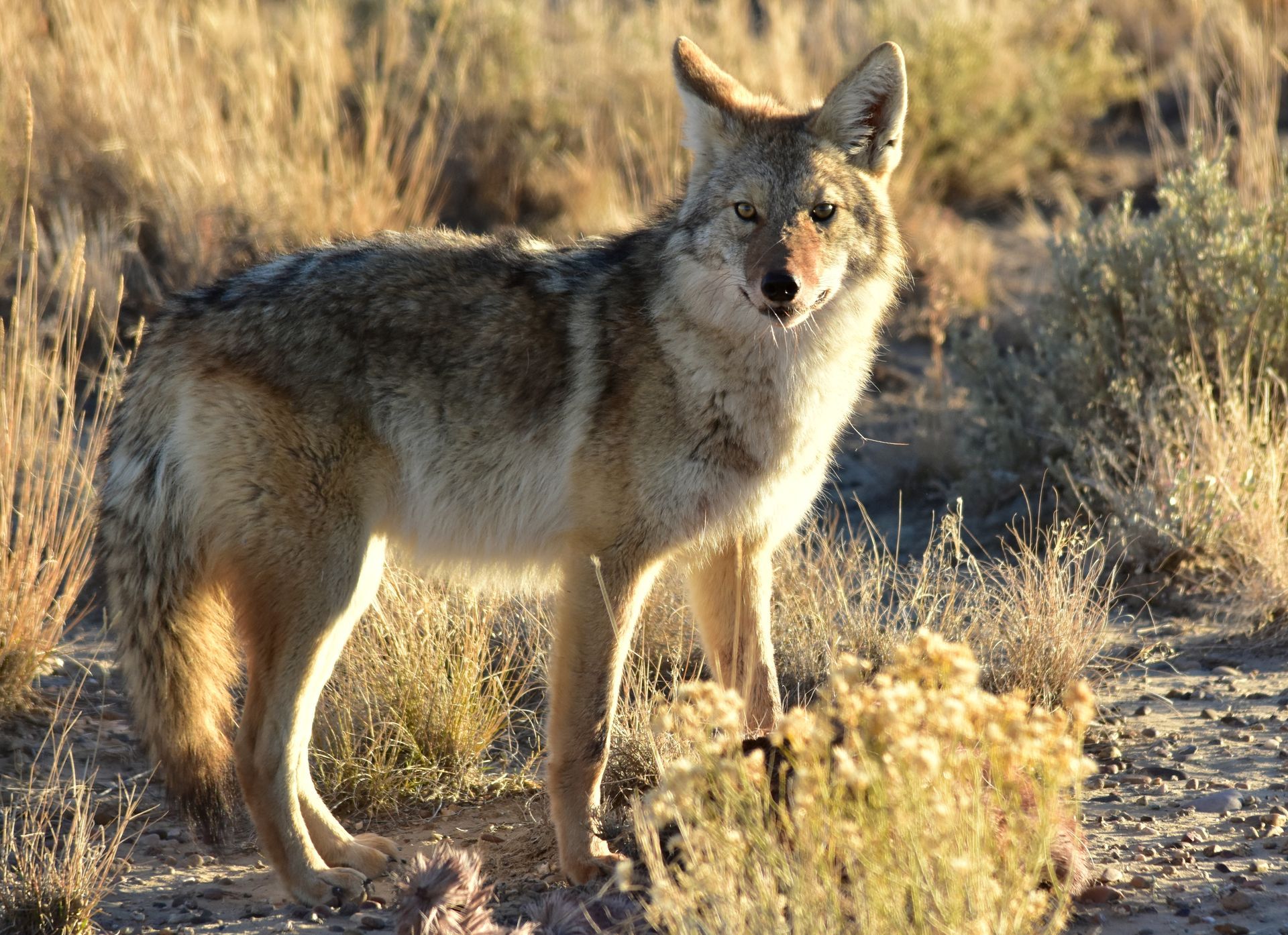
Coyotes are adaptable to many habitats, historically navigating prairie and desert landscapes but now also seen traversing everywhere from complex urban landscapes to rural farm communities. They primarily eat small rodents, fruit, and other small prey with occasional shifts to larger prey like rabbits and deer. Coyotes tend to be nocturnal especially when living near human settlements, as this behavior helps them avoid contact with humans while hunting.
Raccoons
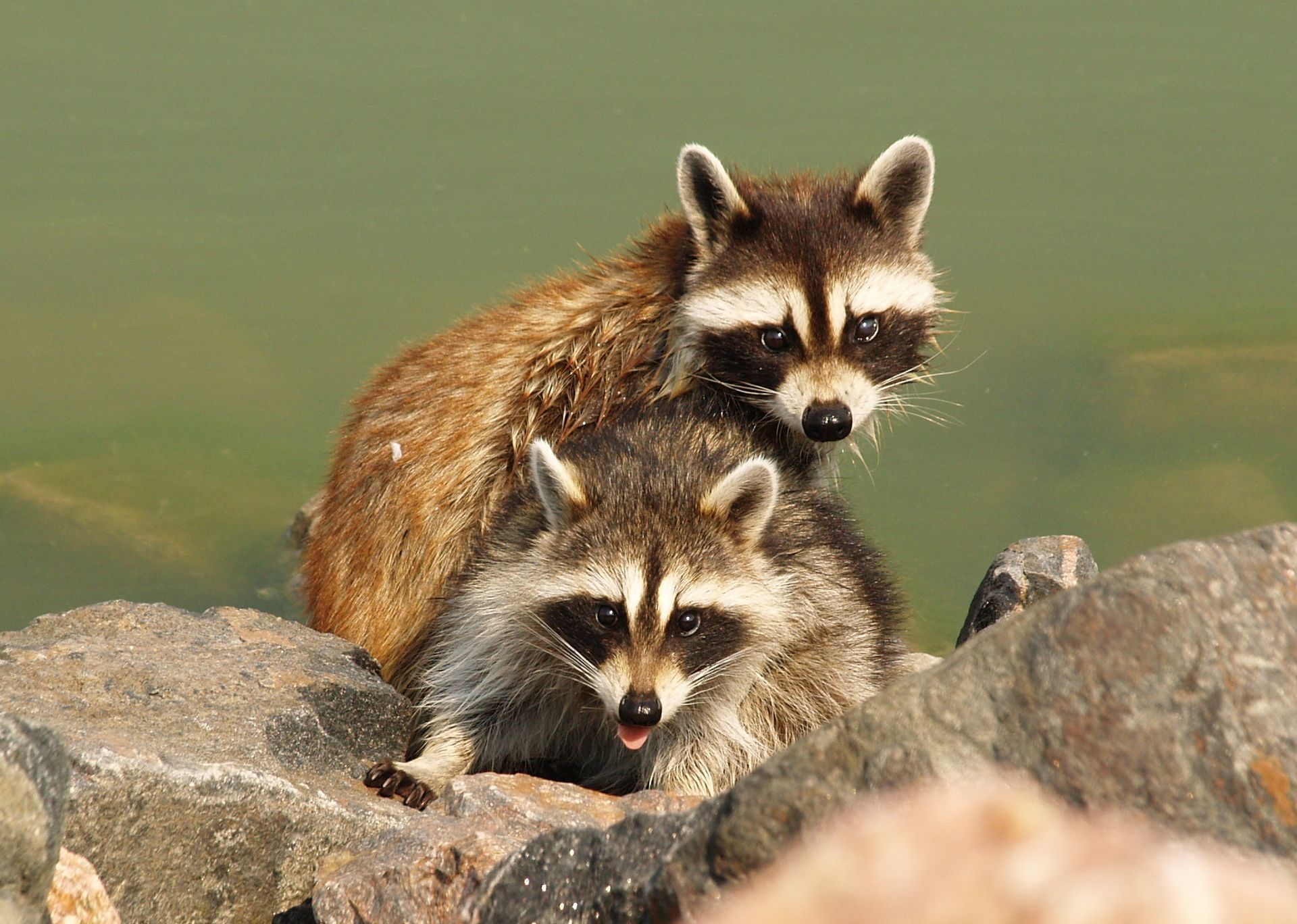
Raccoons are closely related to bears and dogs, and their bodies can grow anywhere between 16-28 inches with a 12 inch tail. Although raccoons don’t fully hibernate during winter, they primarily spend time in their dens with the onset of colder months. Their dens can be found in a variety of places, from logs to burrows to barns. Raccoons' nocturnal behavior is supported by their naturally higher body temperature, awareness of moon cycles, and strong senses of sight and hearing.
Bats
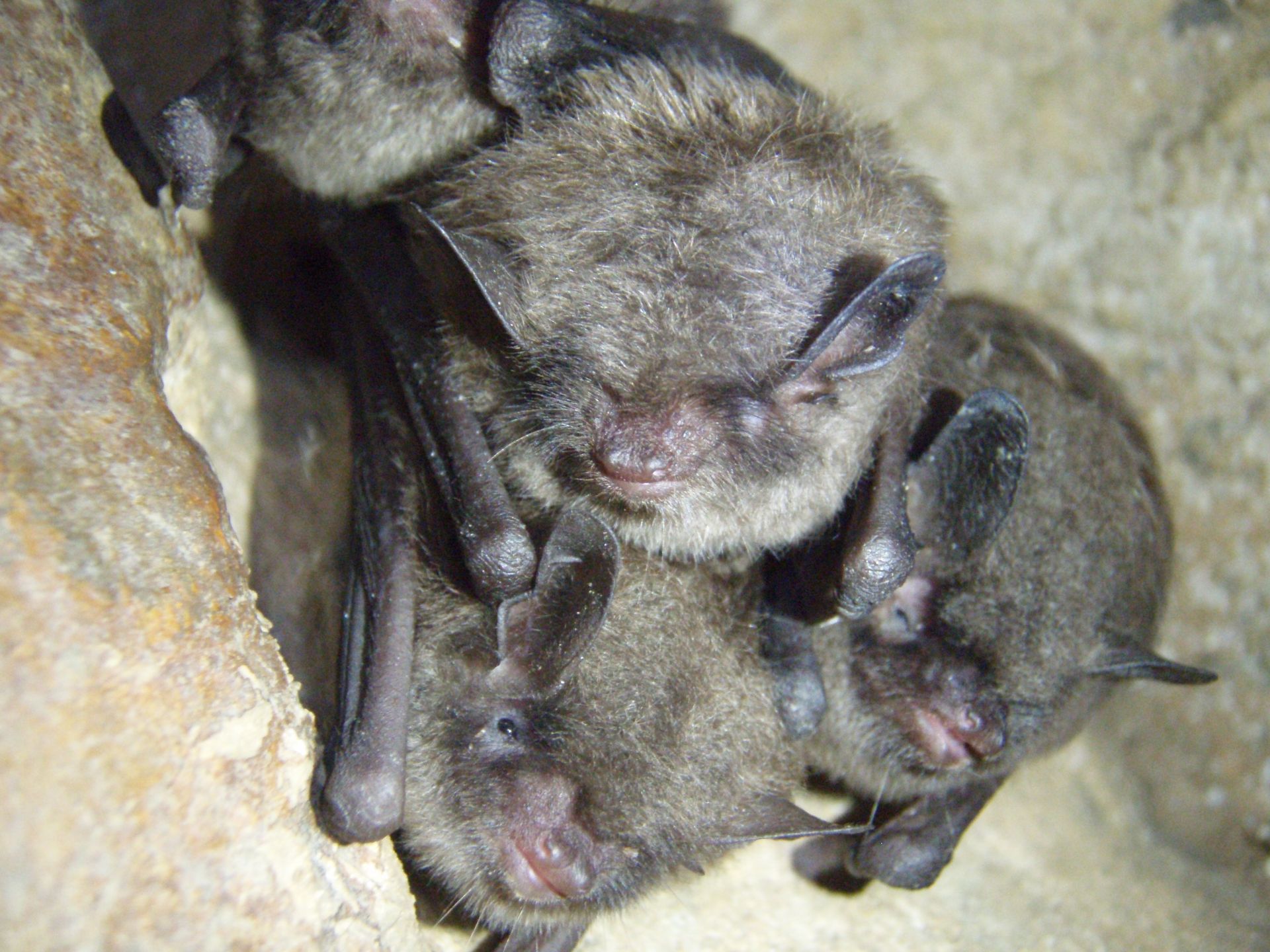
Bats are the only flying mammals, and can be found all over the world in a vast range of ecosystems. Their latin name, Chiroptera, means hand-wing, for the way that their wings appear like webbed hands. The largest bat in the world is the flying fox, with a wing span that can reach six feet, and the world’s smallest bat is the bumblebee bat, who is smaller than your finger. Nocturnal foraging and hunting behavior helps bats enjoy plants that may only open their flowers at night, and they are specially adapted to maneuver their environment at night because of their use of echolocation.
Owls
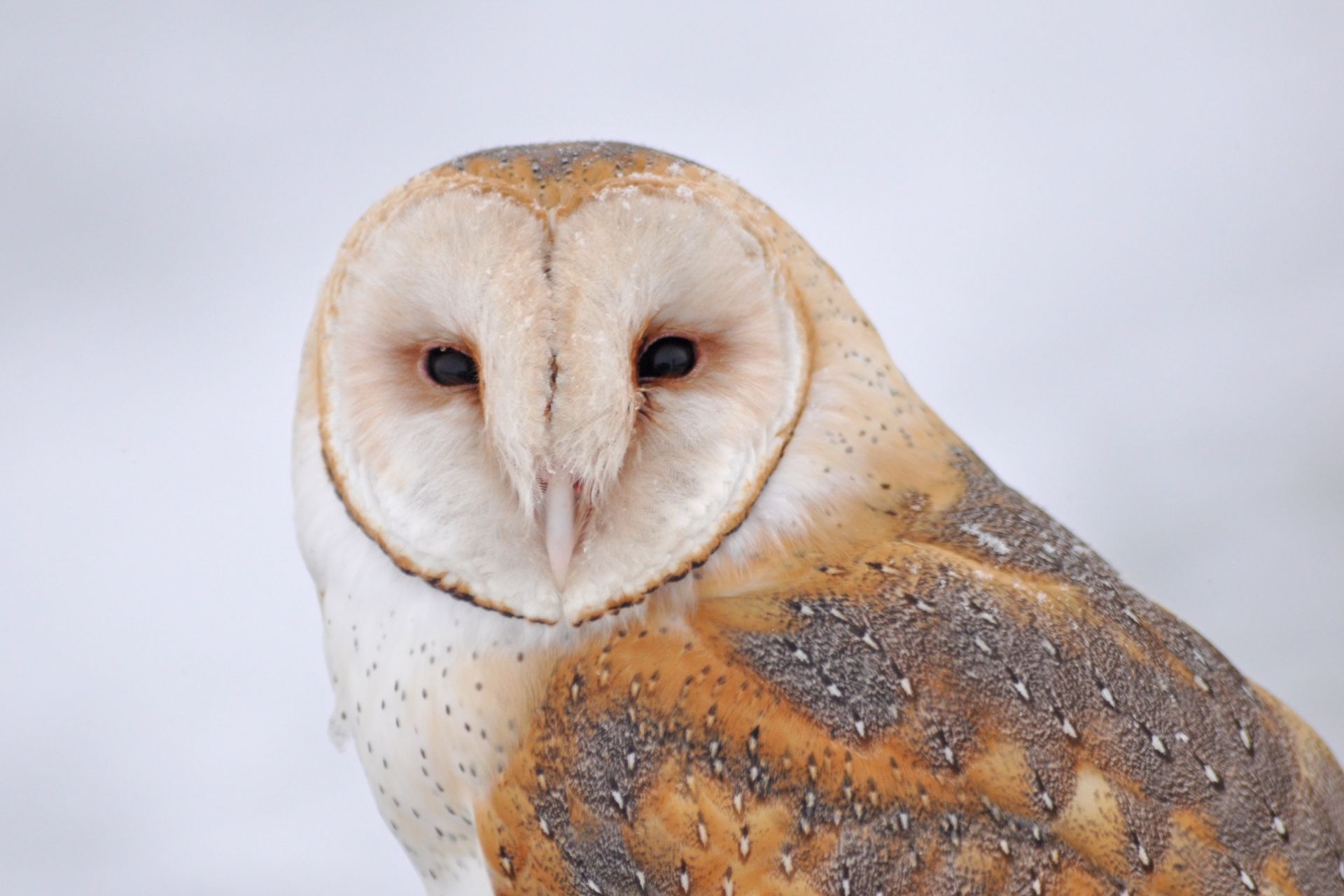
Owls have sharp talons and curved bills that they use for hunting, which means they are considered birds of prey. Owls like to spend their time hunting for small live prey, roosting aka resting, or nesting and raising young. Some owls like to roost alone, and some like to roost with others, which provides important benefits like the ability to share hunting information, mate, and stay warm during colder months. Like other animals, owls benefit from the safety of hunting under cover of darkness, especially because they have large, rod-filled eyes which give them a very strong ability to pick up on the subtle lighting variations of nighttime landscapes.
Spiders
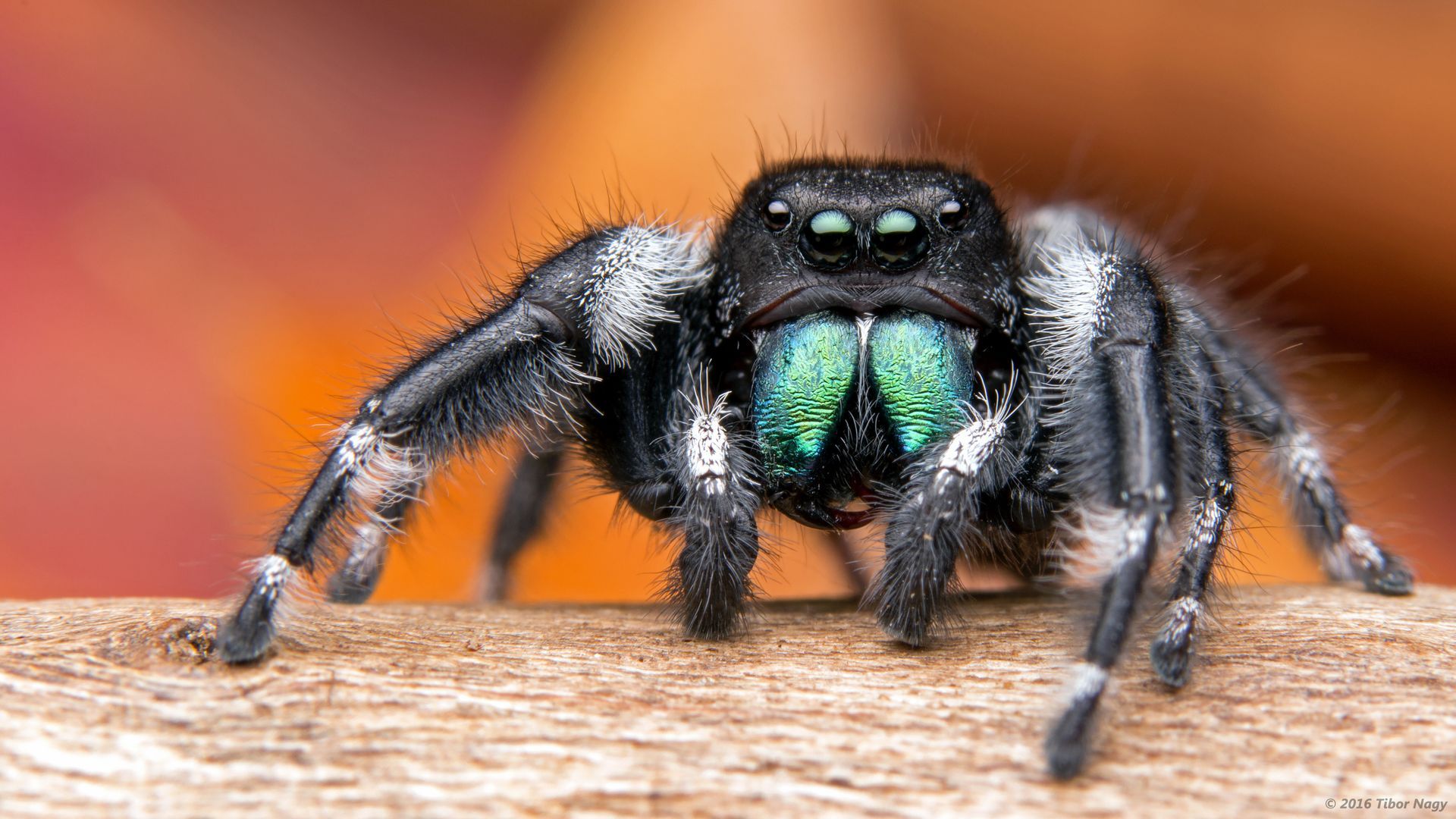
It is thought that there are some 51,500 plus species of arachnids, or spiders, found across the world. These eight-legged creatures hunt their prey, primarily insects, in a variety of ways, with some spinning the beautiful webs we can see around us. Notably, the Orb Weaver spider’s beautifully rounded webs can be easily seen at Severson from late summer into this time of year.
Skunks
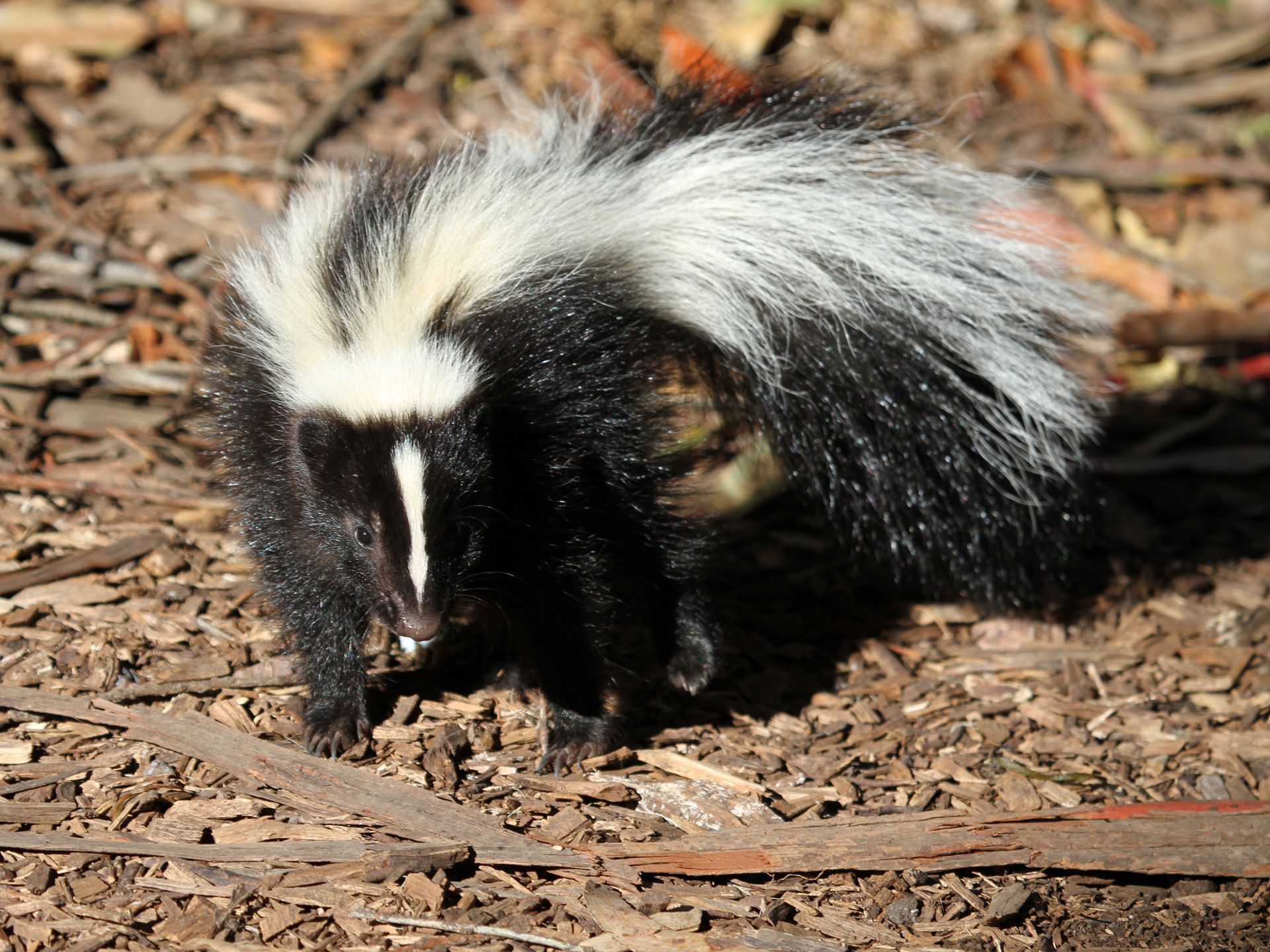
Skunks are famed for their unique ability to emit a pungent substance called thiol, which gives them their trademark smell. Although they are known for this ability, skunks usually only use this response to a perceived threat when it’s their lost option. Skunks dig long burrows themselves, but they often prefer to take over a burrow previously made by another animal such as a fox. Skunks forage for their food, things such as insects, rodents, etc. They actually can even eat poisonous snakes because they are immune to their venom. Their nocturnal behavior helps skunks locate their preferred prey and stay cool while they hunt.
Opossums
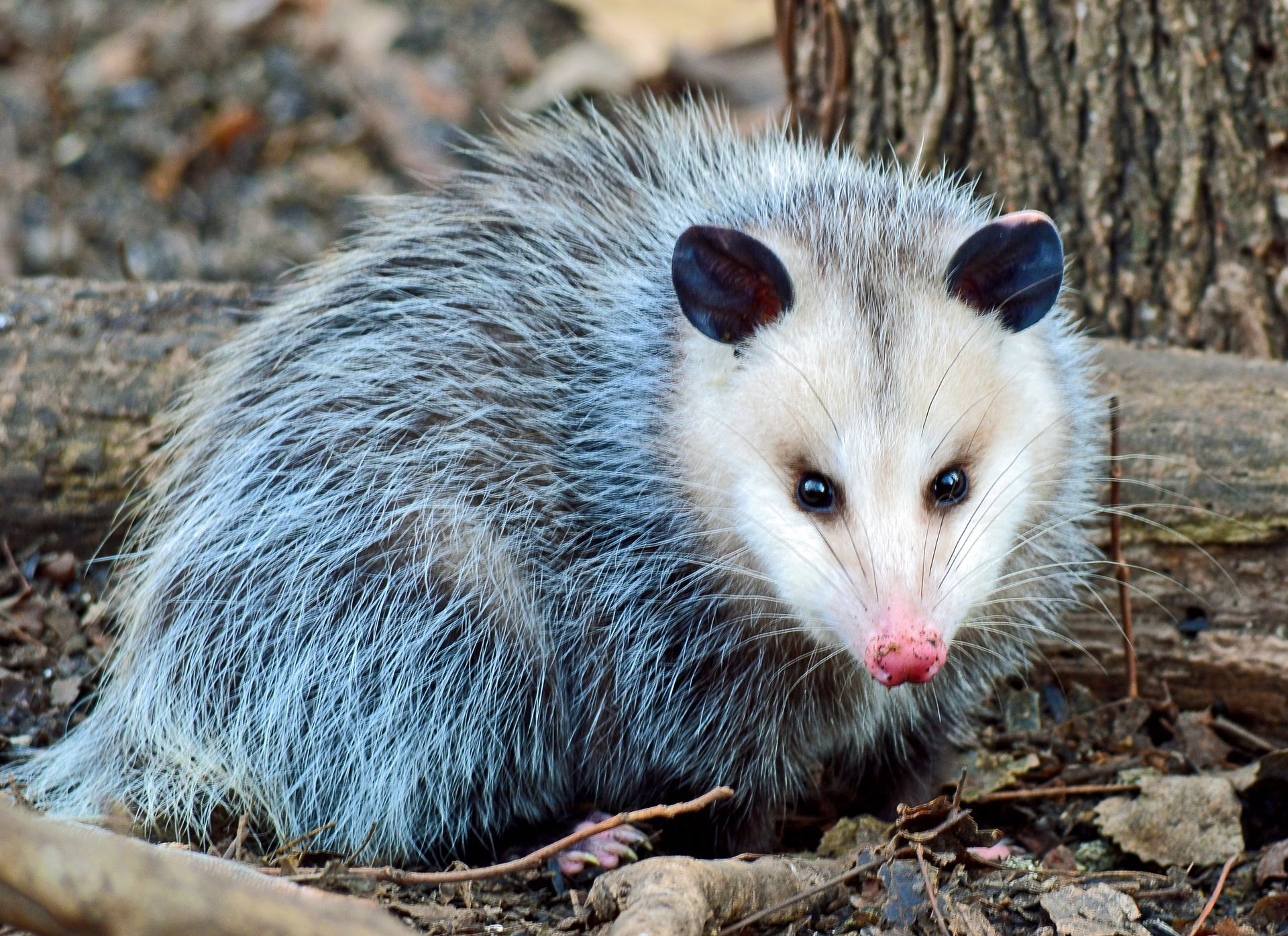
Opossums are North America’s only marsupial(animals with a pouch). They are known for “playing dead” or “playing possum”, which they do when predators or other perceived threats fail to be intimidated by their hissing sounds. Opossums are primarily nocturnal as a way to avoid predators and conserve energy.
To learn more about these animals and even meet a few, join us at
Spook the Dells on October 18th from 6:00pm-7:30pm.

RECENT ARTICLES