FIELD NOTES BLOG
A Beginner’s Guide to Foraging in Northern Illinois
Disclaimer: Severson Dells Nature Center is not a medical provider and is not giving medical advice in the following article. Please consult a licensed medical professional for any questions regarding your personal health.
What is foraging?
Foraging: the act of searching for and collecting wild, edible plants, mushrooms, and other resources from the natural environment.
Foraging is a fundamental human practice that has provided our species with food, medicine, and materials for thousands of years. Though food is now something we think of as coming from the grocery store, foraging is a salient and critical reminder that food, in fact, comes from the ground. Today, foraging is experiencing a resurgence as more people look to reconnect with where their food comes from, eat seasonally, and engage in sustainable food practices. In Northern Illinois, the diverse landscape of forests, prairies, and wetlands offers a wealth of edible and medicinal plants right at our feet. Whether you're looking to supplement your diet with wild foods or connect with nature, foraging is a rewarding activity. However, responsible foraging requires knowledge and care to ensure both personal safety and ecological sustainability.
Foraging is Good for Your Health?
Maintaining a healthy diet is the simplest way to maintain a healthy microbiome, and wild foods are a great way to start. Foraging ensures that you eat locally, and this practice has a plethora of related health benefits. Consuming foods–and in turn, their related bacteria–that we share in our local environment introduces our bodies to beneficial bacteria and microorganisms that support gut health and can even strengthen our immune system! Additionally, because foraged foods don’t require long-distance transportation like much of the food in grocery stores, they retain more of their natural nutrients. Because they grow wild, they are less likely to be treated with pesticides. As a result, foraged foods are often more nutritious than their cultivated counterparts, containing higher levels of vitamins, minerals, and antioxidants, all which are important to a healthy diet.
Foraging is not without Environmental Impact
While foraging is a rewarding and sustainable way to connect with nature, it’s essential to approach it with care and responsibility. Overharvesting can threaten plant populations and disrupt delicate ecosystems, particularly for slow-growing or highly sought-after species. In the Chicago region, wild ramps (Allium tricoccum) have been overharvested due to their popularity, leading to
declines in some local populations. Because ramps take 7 years to mature from seed and reproduce slowly, harvesting entire plants can be detrimental. To forage sustainably, take only what you need, follow ethical harvesting practices—such as cutting a single leaf rather than pulling the entire bulb, taking only a small fraction of what you see, and be mindful of where you walk—and respect regulations that protect vulnerable species. By foraging mindfully, we can enjoy wild foods while ensuring they remain abundant for future generations.
Foraging Best Practices and Guidelines:
Before you start foraging, it’s important to follow some essential best practices to ensure both personal safety and environmental sustainability:
- Always positively identify a plant or mushroom before consuming it. Some toxic species closely resemble edible ones.
- Forage sustainably. Only take what you need and avoid overharvesting, especially for slow-growing plants and fungi. Once a species is decimated, it may not come back.
- Follow local regulations. Some areas, such as state parks, may have restrictions on foraging. Always check guidelines before collecting.
- Be mindful of pollution. Avoid areas near roadsides, industrial sites, or lawns treated with pesticides.
- Respect private property. Always seek permission if foraging on private land.
Local Foraging Guidelines:
Forest Preserves of Winnebago County:
There are 44 preserves owned by the Forest Preserves of Winnebago County, including Severson Dells Forest Preserve! The regulations for foraging are as follows:
“No person shall upon or in connection with any property of the Forest Preserves: Pick or gather any seed of any tree or other plant without written permission of the Executive Director, except that mushrooms, fruits, and nuts can be picked and gathered for noncommercial purposes.”
Simply put, you are free to forage mushrooms, fruits, and nuts from Severson Dells and any other forest preserve of Winnebago County!
Nature at the Confluence:
Nature at the Confluence is located on City of South Beloit property, where the code of ordinances does not explicitly mention foraging. However, it does address agricultural, horticultural, and forestry activities, requiring them to be conducted in accordance with good practice to avoid becoming a nuisance.
In short, foraging for edible mushrooms and plants is allowed at Nature at the Confluence—as long as it’s done responsibly!
Additionally, the site features a learning garden where visitors are welcome to taste, harvest, and take home fresh produce. If foraging isn’t your style but you’re still looking for a way to connect with your food and eat local, the garden offers a great alternative!
Illinois State Parks:
Foraging for
mushrooms, berries, and nuts is allowed in Illinois State Parks.
Some state parks near us include: Rock Cut State Park, Lowden State Park, Castle Rock State Park, and White Pines Forest State Park.
Illinois Nature Preserves:
Illinois Nature Preserves can be found within Forest Preserves and also within State Parks, so it is important to be mindful of where you are foraging within those areas. Illinois Nature Preserves has the following regulations:
“Nature Preserves are protected primarily to preserve nature. Only nature-compatible recreation is allowed. Removal of plant material and animals is prohibited as is such recreation as hunting, fishing, foraging, off-roading, flower-gathering, dog-walking, etc.”
Simply put: no foraging is allowed.
Some local INP sites include: Harlem Hills Nature Preserve, Burr Oak Valley Nature Preserve, Colored Sands Bluff Nature Preserve, Kinnikinnick Creek Nature Preserve, Searls Park Prairie Nature Preserve, Lost Flora Fen, Howard B. Coleman dells Nature Preserve, and Severson Dells Nature Preserve.
What to Forage:
Northern Illinois offers a variety of edible wild foods throughout the seasons. Here are a few safe and beginner-friendly options:
Please note: This blog should not be used as a field guide to ID species for foraging. This list is not all-encompassing. Be sure to positively ID anything before you consume it, and seek out local resources like workshops and regional field guides!
Invasives:
Foraging can actually help the environment when it targets invasive species. Many invasive plants are edible, and removing them for consumption is not just good for you, but also for native species! A few invasives worth foraging include:
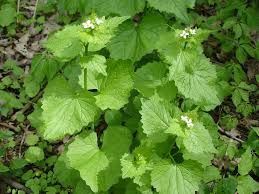
- Garlic mustard (Alliaria petiolata) – A highly invasive plant with edible leaves that taste similar to garlic. Great for pestos and sautés!
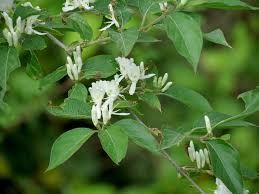
- Amur honeysuckle (Lonicera maackii) – While the berries are not edible, the flowers and young leaves can be used for teas.
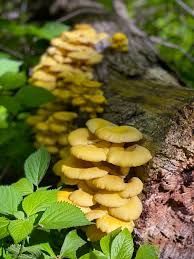
- Golden oyster mushroom (Pleurotus citrinopileatus) – While naturalized in many areas of the United States, this species is rapidly outcompeting our native decomposers. My favorite way to have these mushrooms is fried or sauteed!
Fungi:
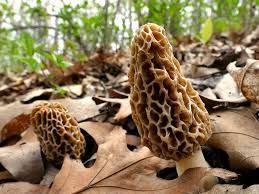
- Morel mushrooms (Morchella esculenta)– A forager’s favorite, these honeycomb-textured mushrooms are prized for their rich, nutty flavor.
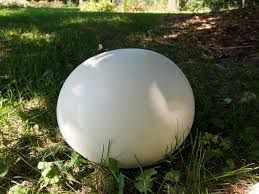
- Giant Puffball (Calvatia gigantea) – Large, white, and edible when young; has a mild, earthy flavor.
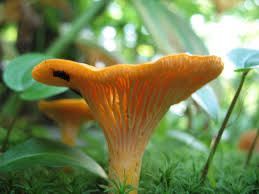
- Chanterelles (Cantharellus spp.) – Golden, trumpet-shaped mushrooms with a fruity aroma and rich taste.
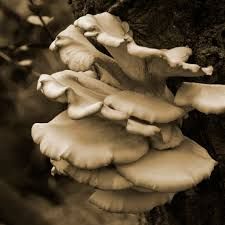
- Oyster Mushrooms (Pleurotus ostreatus) – Delicate, fan-shaped mushrooms that grow on decaying wood, with a mild, savory flavor and velvety texture.
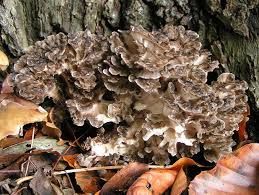
- Hen of the Woods (Grifola frondosa) – A clustered, frilly mushroom found at the base of trees, known for its rich, earthy taste and meaty texture.
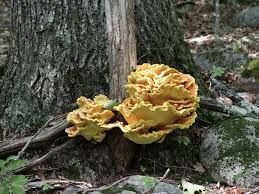
- Chicken of the Woods (Laetiporus spp.) – Bright orange, shelf-like mushrooms with a firm texture and flavor reminiscent of chicken.
Plants:
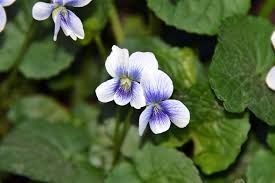
- Violets (Viola spp.) – Edible flowers and leaves that can be used in salads or made into syrups.
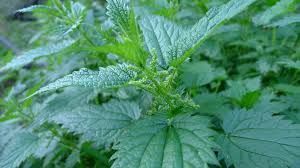
- Nettles (Urtica dioica) – High in vitamins and minerals, best cooked to remove the sting.
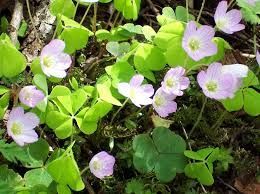
- Wood Sorrel (Oxalis spp.) – A lemony-flavored plant with heart-shaped leaves, great for garnishing dishes.
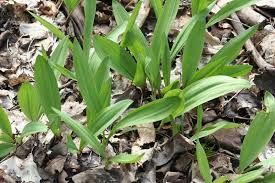
- Wild ramps (Allium tricoccum) – A native wild onion with a garlicky taste. Harvest responsibly to avoid overharvesting.
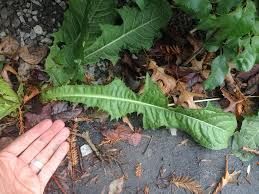
- Dandelion greens (Taraxacum officinale) – Nutritious and slightly bitter, great for salads and teas.
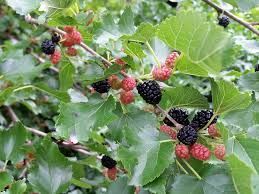
- Mulberries (Morus spp.) – Sweet berries that grow abundantly on trees.
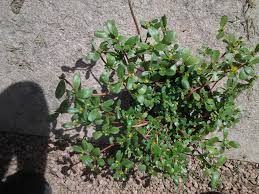
- Purslane (Portulaca oleracea) – A succulent green high in omega-3s, great in salads.
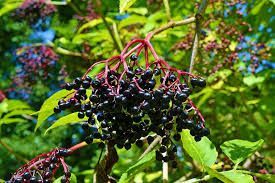
- Elderflowers (Sambucus canadensis) – Fragrant flowers used in syrups and teas.
Things to Avoid:
While foraging is rewarding, it’s crucial to be aware of toxic species that can be dangerous if consumed. Some key ones to watch out for include:
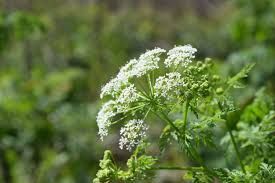
- Poison hemlock (Conium maculatum) – Highly toxic and often mistaken for edible wild carrot or Queen Anne’s lace.
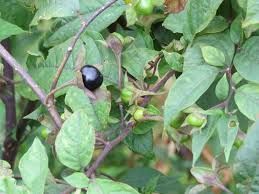
- Deadly nightshade (Atropa belladonna) – A plant with dark berries that can be fatal if ingested.
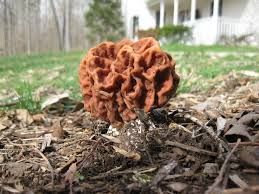
- False morels (Gyromitra spp.) – Look similar to true morels but contain toxins that can cause severe illness.
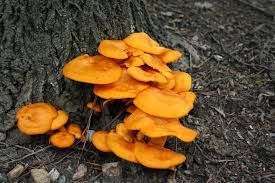
- Jack-o’-lantern mushrooms (Omphalotus illudens) – Bright orange and often confused with chanterelles, but toxic.
Foraging is more than just a way to find food—it’s an opportunity to slow down, observe the natural world, and develop a deeper appreciation for where our food comes from. Whether you’re collecting wild greens for a salad or harvesting nuts for the winter, foraging connects you to the rhythms of nature and the land around you. By foraging responsibly, you can enjoy the health benefits of wild foods while also contributing to environmental conservation. So grab a basket, head to the woods, and start discovering the incredible abundance nature has to offer!
Sources:
Foraging Wild Edibles: Dietary Diversity in Expanded Food Systems- National Library of Medicine
The Microbiome Connecting Thread: From Farm to Food to Human Health- The University of Illinois Institute for Sustainability, Energy, and Environment
Plant poachers damage Cook County forest preserves as demand for ramps and morels makes foraging more profitable- The Chicago Tribune
Code Of The Forest Preserves of Winnebago County Article V. General Use Regulations

RECENT ARTICLES