FIELD NOTES BLOG

All About Nuts

Emma Zimmerman
October 24, 2024

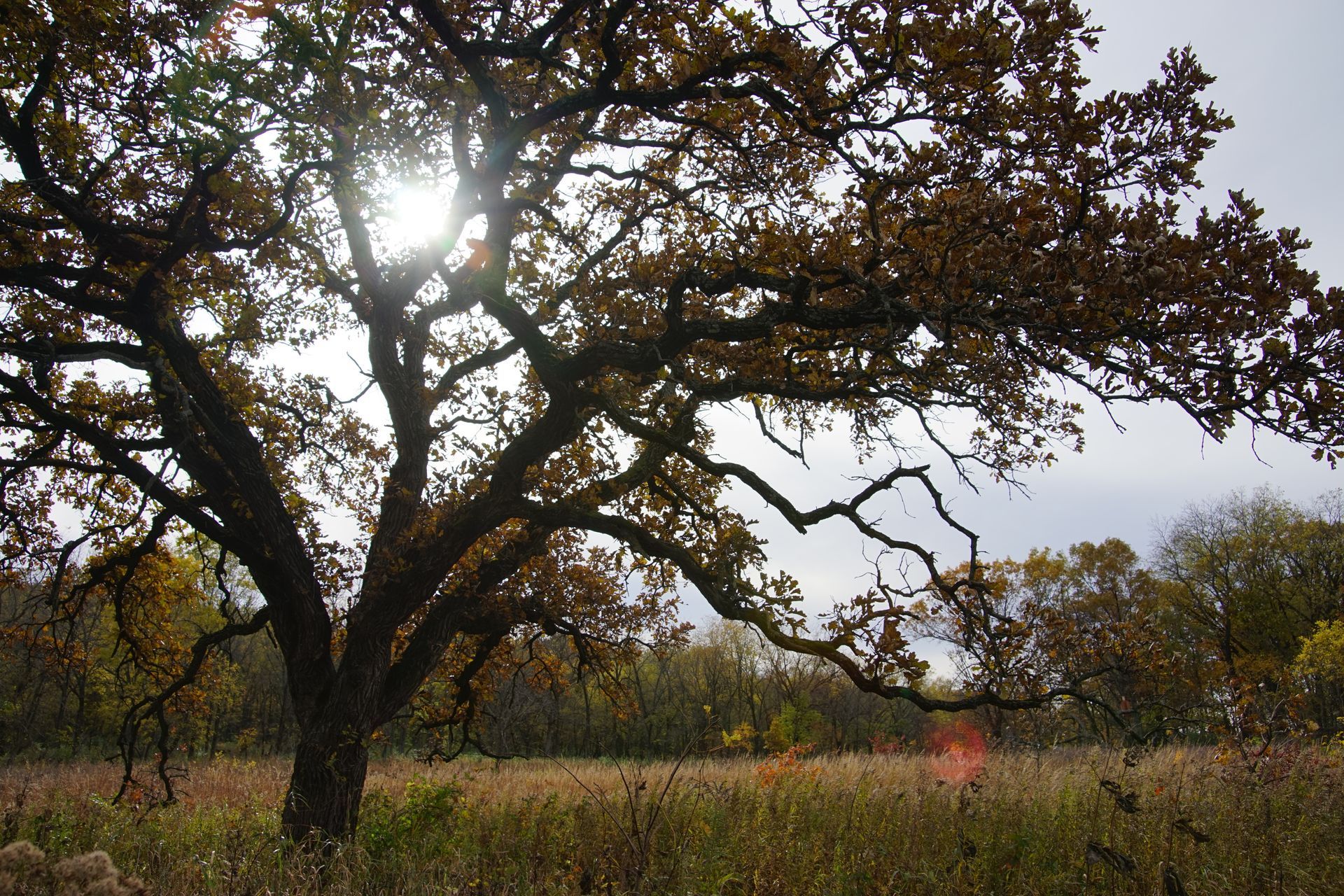
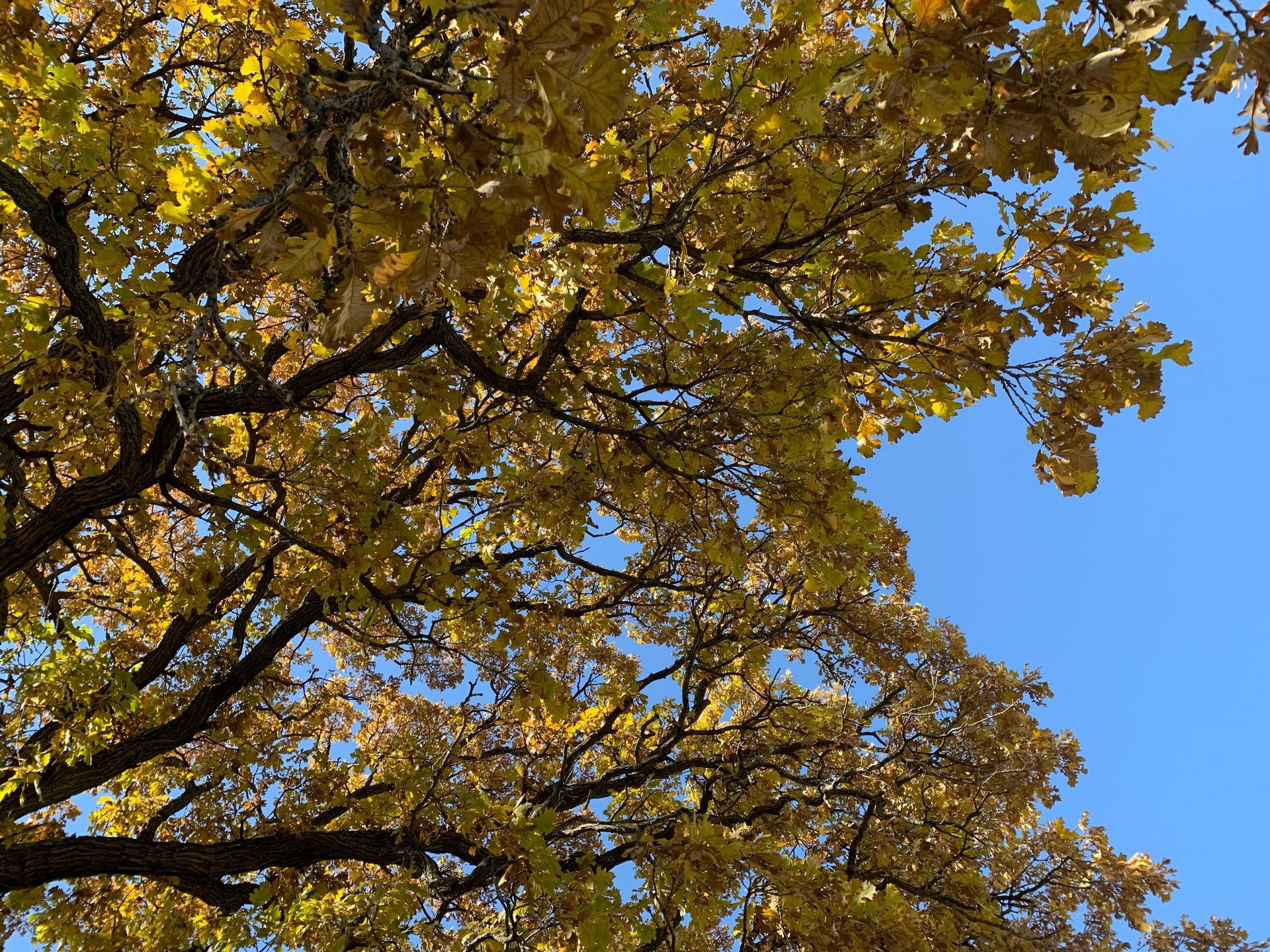
Fall is a season of change. Changing colors, changing weather, changing days. And though it’s a time where the world seems to slow down, nature is in full transition at rampant speed, getting ready for the cold, harsh months ahead. Trees shed their leaves, conserving energy for the long winter, while animals gather food and shelters, preparing for the cold. Every species is instinctively preparing for survival. And in the midst of all these preparations, one small yet vital element takes center stage: the nut.


Colloquially, we often refer to any dried seed or hard fruit as a "nut." Botanically, however, the term "nut" refers to a particular kind of dry fruit that has a single seed, a hard shell, and a protective husk.  Pecans, hickory nuts, acorns, and walnuts all fall under this strict botanical definition, whereas commonly labeled "nuts" such as peanuts (legumes) and almonds (drupes) don’t meet the criteria. Whether or not one is concerned with these taxonomic distinctions or not, one fact remains: nut season has arrived here in Northern Illinois. 


Trees like hickories, walnuts, and oaks produce various kinds of nuts, which are the trees' mast. “Mast” is the botanical term for the food that trees and shrubs produce, which is stored and eaten by wildlife. While trees produce mast annually, certain years, known as "mast years," see an exceptional abundance of nuts. These mast years occur irregularly, around every 2–5 years, and the forest floor becomes carpeted with nuts. This overproduction plays a vital role in forest regeneration. By overwhelming the animals that feed on these nuts, trees ensure that some nuts escape consumption, allowing them to germinate into new saplings. If trees produced only a small number of nuts each year, most would be consumed, leaving no seeds to develop into the next generation of trees. However, this event does not come without cost. Producing nuts in such large quantities requires significant energy, so trees have to conserve their resources, saving up for these occasional mast years.

What’s most fascinating about mast years is their synchrony. Even though each tree is an individual being, with individual  energy reserves, they all mast at the same time. To quote Robin Wall Kimmerer, “If one tree fruits, they all fruit—there are no soloists. Not one tree in a grove, but the whole grove; not one grove in the forest, but every grove; all across the county and all across the state. The trees act not as individuals, but somehow as a collective.” In Northern Illinois, our most recent mast year was 2023, meaning that this year we can expect fewer nuts compared to last.

Something I admire about nuts is their subtle presence in nature. Unlike the vibrant colors and fragrant aromas of summer fruits, nuts don't demand our attention. Instead, they remain patiently in the background, protected by tough shells and husks, patiently waiting for their time to come. They're prepared for the season ahead, and are designed to endure winter conditions—they store well and are packed with protein and fats, essential nutrients when resources are scarce. They're a lifesource for many animals in our region, and have been one for people, too. Nuts have significant importance both biologically and culturally, and to honor that, we are going to do a deep dive into three nuts that you’re probably beginning to see around: the hickory, the walnut, and, of course, the acorn. 

Walnut :

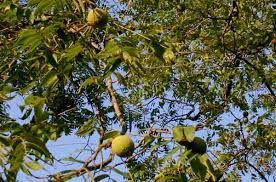
Black Walnut Tree, courtesy of Wikimedia Commons

Black walnut trees (Juglans nigra) hold deep ethnobotanical significance in North America, where Indigenous peoples and early settlers utilized nearly every part of the tree for food, medicine, and practical uses. The nuts are exceptionally nutritious, rich in protein, and healthy fats—black walnuts, in fact, contain more protein than any other nut. Indigenous groups, including the Cherokee, Delaware, and Meskwaki, ground the nuts into meal or pressed them for oil, making them an important source of sustenance, particularly during the harsh winter months when other food sources were limited. Today, black walnuts have shiften from a culinary staple item to more of a topping or high protien snack. 


Beyond their culinary value, black walnuts played an important role in traditional medicine. Many indigenous peoples used the bark of the black walnut tree for its medicinal properties. Teas made from the bark served as cathartics or emetics, while the bark itself was chewed or applied to aid ailments such as toothaches, snake bites, and headaches. The natural tannins in the walnut's hulls were also used as a natural dye, which creates a rich, earthy tone for textiles and basketry. This dye is so strong that it will often dye your skin- you might be familiar with this if youve ever picked up an unhusked walnut!

In addition to food and medicine, black walnut wood is highly sought after for its strength and durability. The dense, sturdy wood has been, and continues to be  used to craft tools, build furniture, and even construct homes. 


Adaptations: One of the black walnut’s unique adaptations is its allelopathic nature. The tree produces a chemical called juglone, a natural toxin that inhibits the growth of many other plant species around it. This chemical defense mechanism helps the tree reduce competition for sunlight, water, and nutrients- elements that are vital for survival. Juglone, found in the highest concentrations in the tree's roots, buds, and nut hulls, interferes with the energy production needed for photosynthesis in sensitive plants, causing them to yellow, wilt, and eventually die. This toxic effect makes it challenging to grow certain plants near a black walnut tree, so gardeners need to be cautious when planting around these trees!


Hickory:

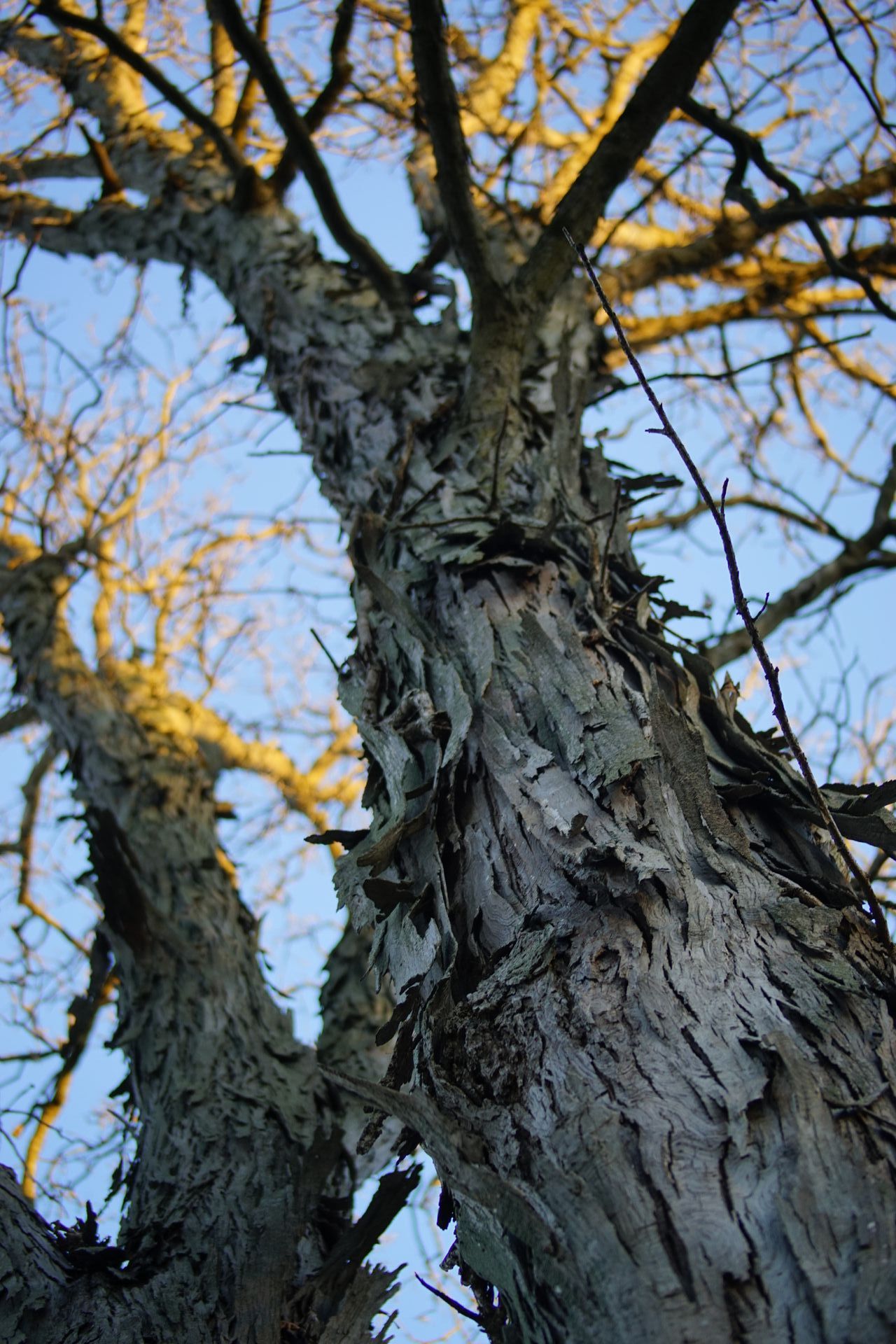
The term “hickory” comes from the Virginia Algonquian word pawcohiccora, referring to the nut meat or a milky beverage made from hickory nuts. Shagbark hickory trees (Carya ovata) were an essential resource for Indigenous peoples, who relied on their nuts for both food and drink. Hickory nut milk, rich and flavorful, was incorporated into various dishes such as corn cakes, kanuchi (a type of hickory nut soup), and hominy. Even today, hickory nuts serve as a substitute for pecans in colder climates like Northern Illinois, playing a similar culinary role in pies, baked goods, and savory dishes. Hickory trees are not just a food source for people but also for wildlife. Red and gray squirrels, raccoons, chipmunks, and mice all rely on hickory nuts for sustenance, especially as they prepare for the winter months. 


Beyond their edible value, hickory trees were highly valued for their practical uses. The flexible bark was ideal for crafting bows, a critical tool for hunting among many Indigenous groups. The wood, known for its toughness and resilience, was used to create blowgun darts, arrow shafts, tool handles, barrel hoops, and even corn beaters. Today, hickory wood is prized for its excellent burning qualities, making it a top choice for firewood. Shagbark hickory, in particular, became famous for its role in smoking meat, as it imparted a distinct, rich flavor to food.


Acorn:

Oak trees, and their mast, acorns, have been an important and iconic symbol of the landscape for thousands of years. During this time, acorns have been a reliable and essential food source for humans. Though they contain tannins—bitter compounds that are inedible in their raw state—Indigenous peoples developed techniques to remove these tannins through leaching or toasting. Once the tannins were removed, acorns could be ground into flour and used to make breads, cakes, or porridges. Acorn flour, often stored in underground pits, provided a nutritious and long-lasting food supply throughout the winter months.


Oak trees, however, provide more than just acorns. The bark of oak trees had medicinal applications, valued for its astringent properties to treat wounds, burns, and digestive ailments. The wood, known for its strength and durability, is utilized for constructing homes, tools, and furniture. Oak leaves were even used in food preparation, often serving as natural wrappers for dough when baking bread.


Oak trees were also central to land management practices. Many oak species are fire-tolerant, and their acorns readily sprout after fire or grazing. Indigenous communities practiced prescribed burns to clear underbrush and promote the growth of oak trees, ensuring a steady supply of acorns and timber. These controlled burns helped maintain healthy oak stands, which were integral to both human life and the surrounding ecosystems. To learn more about oaks, check out Elly's Oak-tober blog!


In each of these trees—black walnut, hickory, and oak—we see not only valuable food sources but also the foundation for tools, medicine, and land management practices that sustained Indigenous communities for generations. These trees, and the mast the produce, are a testament to the deep connection between people and nature, offering lessons in resilience, adaptation, and balance within the natural world.


Sources:

Braiding Sweetgrass by Robin Wall Kimmerer

USDA Plant Database: https://plants.usda.gov/home


RECENT ARTICLES

By Holly Hansen July 9, 2026
While many of you may already know me, allow me to introduce myself! I’m Holly and I’m the new community engagement manager here at Wild Roots Nature Center . While I am new to this role, I am not new to Wild Roots. I got my start at Wild Roots way back in 2019 as an environmental education AmeriCorps Volunteer. During my time, I was able to help connect people to nature and foster stewardship of our lands at all age levels. Even when COVID-19 hit, that didn’t stop us from planning for the future and coming up with ideas for how to engage people in our natural world. From there, I completed two more terms of service with AmeriCorps, one in Florida and one back here at Wild Roots with 815 Outside. (You’ll start to notice a pattern here.) As I finished my undergraduate degree in environmental studies and my master’s degree in higher education and student affairs, I remained a volunteer with Wild Roots, joining in on the fun of Science Saturdays, signature events like Luminaria, and canoe convoys. I simply never left this community. My most recent role as assistant director of campus sustainability at Northern Illinois University has prepared me for my return to Wild Roots. I’ve learned so much over the years about connecting with people of all different backgrounds, bridging the gap between nature and community. I look forward to continuing these conversations as the community engagement manager at Wild Roots Nature Center! Other fun facts: When I’m not in nature, you can find me among a circle of friends, crafting and laughing, making stained glass art, and immersing myself in a good book or tv show. I’m always happy to be a listening ear and I am fiercely loyal. Plus, I’ll never say no to a new adventure!
By Brandy Korth July 2, 2026
If there’s one thing you should know about me, it’s that I genuinely love people, organized chaos and finding joy in the little things. So, when the opportunity came to join the team at Wild Roots, it felt like everything came together in the best way. Professionally, I’ve spent more years than I’d like to admit in finance, bookkeeping and office management. I actually enjoy spreadsheets, balancing budgets, and making sure all of the behind-the-scenes pieces fit together (yes…I’m one of those people!). But my energetic and bubbly personality doesn’t always fit the type for an accounting aficionado. Before building my career in finance, I earned a degree in Elementary Education. Looking back, it makes perfect sense because teaching and finance have one thing in common – you need patience, flexibility, quick on your feet, and a good sense of humor! I absolutely love the fact that Wild Roots is so committed to outdoor education, and it is one of the biggest reasons I wanted to root myself here as well. Perfect blend of both of my worlds. Outside of work, I’m a proud mom to three wonderful (and very energetic!) boys. They keep me on my toes, whether we’re at a ball field, exploring a new park, or simply enjoying time together. Being their mom has taught me that the best adventures don’t have to be big – they’re usually found in the simple moments, especially when you’re outside exploring together! That’s one of the reasons Wild Roots already feels like the perfect place. I believe nature has an incredible way of bringing people together, slowing us down, and reminding us to appreciate the world around us. Knowing that I get to support an organization that helps families, students and our community experience that every day is something I am truly excited about.  I’m incredibly grateful to be here and can’t wait to be part of everything that makes this place so special. Here’s to new beginnings, new connections, and plenty of time spent enjoying the beauty of nature together!
By Becca Rankins June 25, 2026
This article has been adapted from it's original publication in "Notes From the Dells" Vol 47 No. 1