Frogs extensively use vocalizations to find partners. Male frogs start their advertisement calls in the early spring and serve a few purposes to communicate a large amount of information with potential partners. In one pond there may be many types of frogs, but individual frog species have evolved to each have their own unique call so other frogs outside the pond can recognize the call of their species. Once two frogs of the same species find each other, the female assesses the quality of the male’s call. Within close range, the call tells the female the size, hormone levels, and overall fitness of the male suitor. To hear some frog music and how small frogs make themselves heard in a chorus of voices, take a look at the video by clicking the button below.
FIELD NOTES BLOG
Animal Courtship Ceremonies
Courtship Ceremonies
We at Severson Dells are centered around connecting people to nature but we recognize that people seek out all sorts of connections. It’s in our nature to look for romantic, friend, or familial connections! We give and experience love in all different ways to connect with others, with endearing words, spending time together, giving gifts, comforting touch, and lending a helping hand. However, you may not have heard of animals also using these connection points to seek out partners. Animals express and experience these in the form of animal courtship ceremonies through behaviors such as physical displays, vocalizations, and even death. In honor of Valentine's Day being the perfect opportunity to celebrate our connections with others, this is how some animals find love:
Vocalizations
Spending Time Together
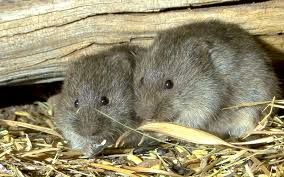
Prairie voles form strong social bonds within one day of meeting their partner and they usually mate for life. Once bonded, both equally defend their territory, raise young, store food, and share a nest. Prairie voles exhibit something similar to empathy in that one vole may feel stressed when their partner is stressed, so they cuddle to comfort one another. The monogamous pair-bonding nature of prairie voles has made them subject to research into the hormones that are active when forming strong social connections. To learn more about this bonding research, check out an article from Scientific American below. Needless to say, pair bonded prairie voles value their time together!
Giving Gifts
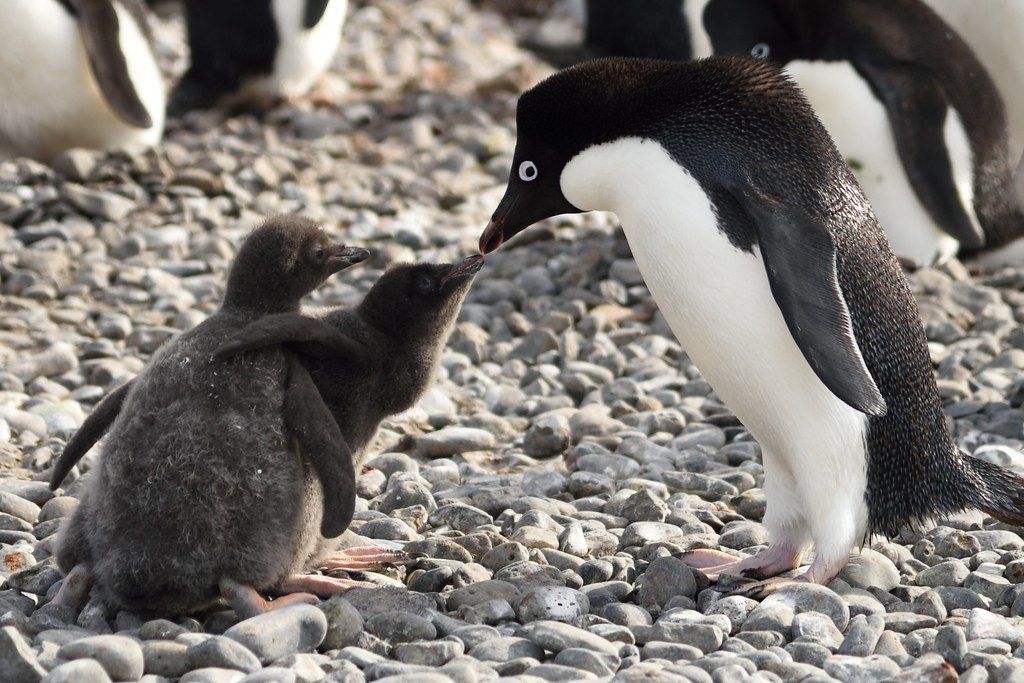
You may have heard of penguins gifting potential partners a pebble, but Adélie penguins take this a step further. Adélie penguins seek out the smoothest pebbles they can find and build a nest to attract and gift to their future partner. Only the biggest and best nests will be successful in attracting a mate. If the stones are small enough they can pick them up with their beaks, but any bigger pebbles will need to be rolled back with their beaks. The Adélies may even steal rocks from other nests if they think their nest needs a little something extra. To see this nest building and stealing in action, click the button below.
A Helping Hand (or fin)
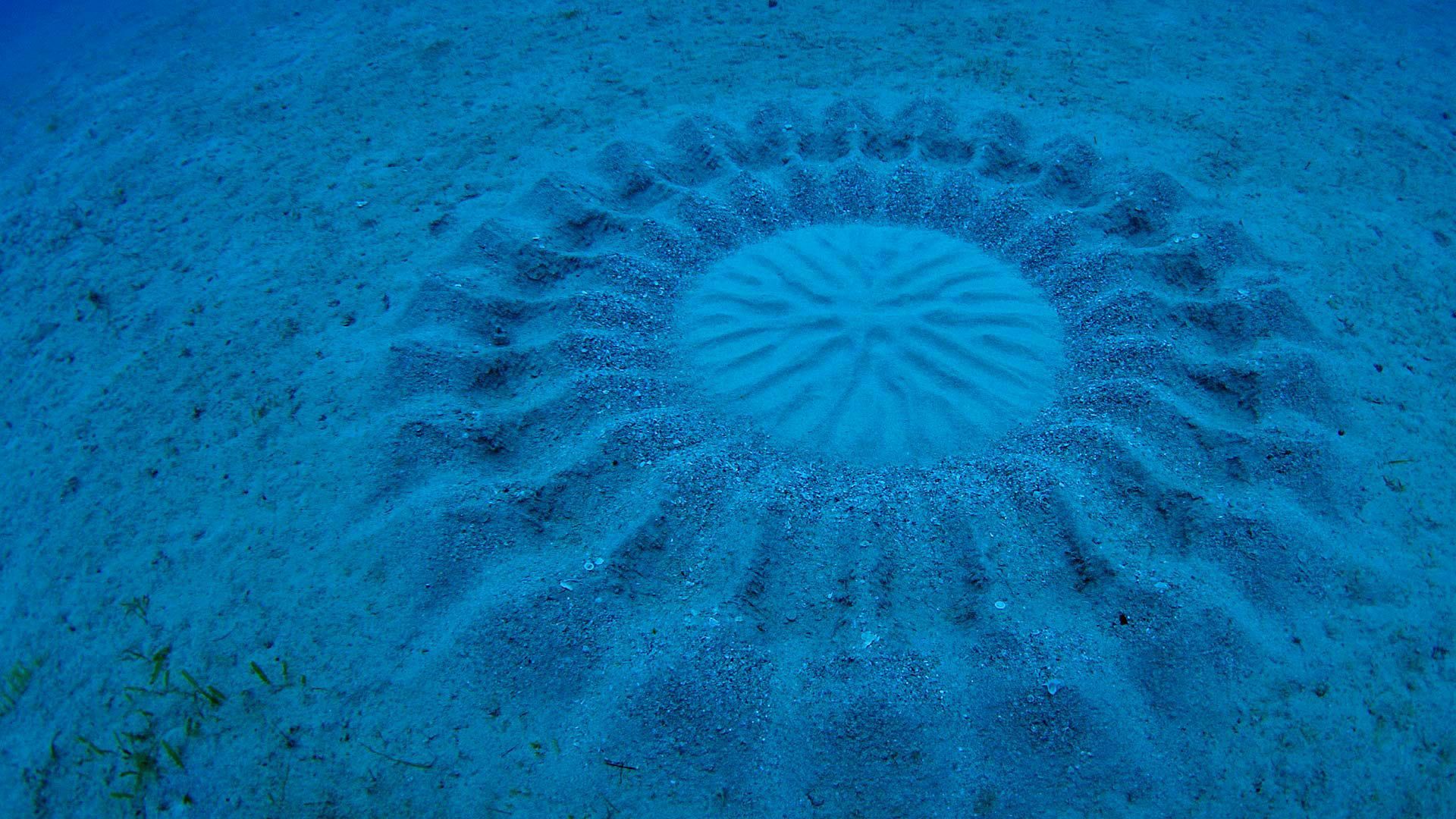
Male white spotted puffer fish create intricate, beautiful artwork out of sand and shells on the seafloor of the Amani Oshima region of Japan to attract a mate. This fish is only 3 inches long but it manages to create sand ridges circles that reach 6 feet in diameter that take 1 week to make. The puffer swims through the sand to create valleys and stir up the finer sand particles to bring them to the center of the circle. The male puffer then decorates his creation with shells that stabilize the top of the ridges and keep debris off of his work. These designs don’t last long with the sweeping current, but they do manage to slow down the sea bed current within the circle by 25%. This is important because after attracting a mate, the center of circular design serves as a nest for the eggs and he protects them until they hatch. To see this incredible process for yourself, click the link below.
Comforting Touch
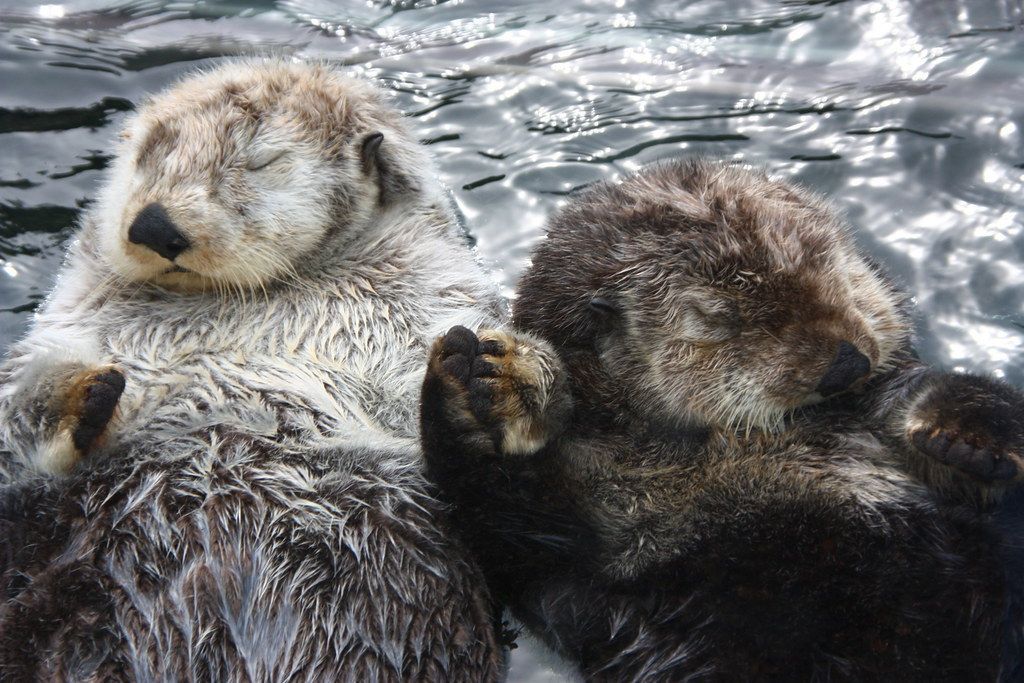
While sea otter courtship can be seen as an aggressive act with competition between male otters, their match is much sweeter after courting each other. Sea otters have been known to cuddle and hold paws with their partner while sleeping so they don’t drift away from one another. They are playful and social creatures that may also stay in large groups. These big groups of otters stay together when resting by wrapping themselves in the kelp or seagrass available to them forming a raft-type tether. To see these cute creatures stay together, check out the video linked below.
Dancing and ornamentation
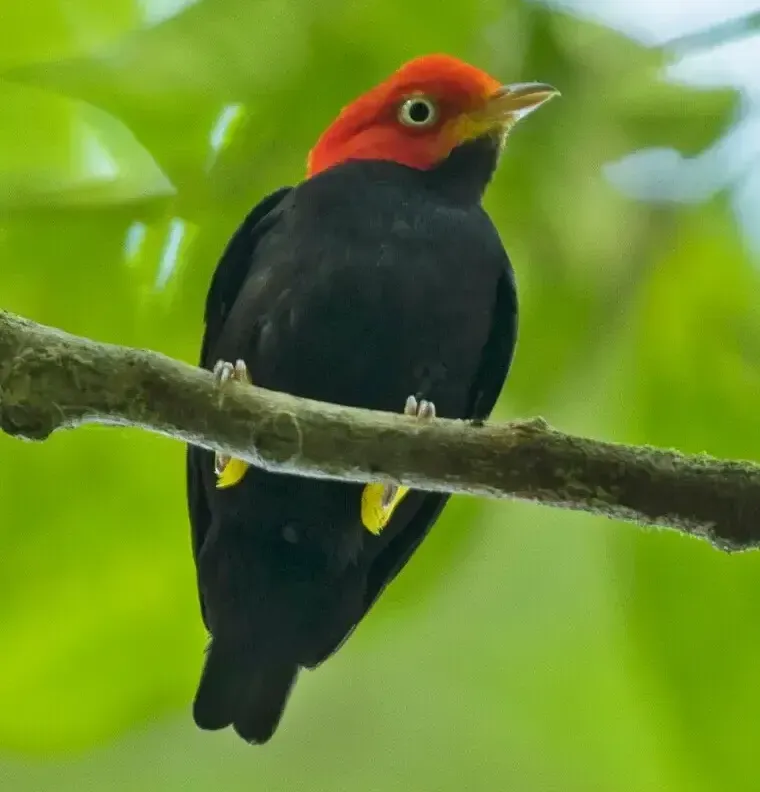
With this showy bird’s red hat, black coat, and yellow pants the Red-Capped Manakin is dressed to impress, but his efforts don’t stop there because he also knows how to dance! A branch serves as the dance floor where he slides across and showcases his fancy footwork while making snapping noises. If an onlooking lady is impressed he may win her over. Bird species such as the Red Capped Manakin as well as some fish and insect species have evolved to have bright ornamentation and dancing rituals because access to females is reliant on female choice. As a result, males evolved characteristics that may be more impressive when attracting a partner and pass those characteristics on to offspring. To see this bird’s fancy footwork for yourself, click below.
Fighting
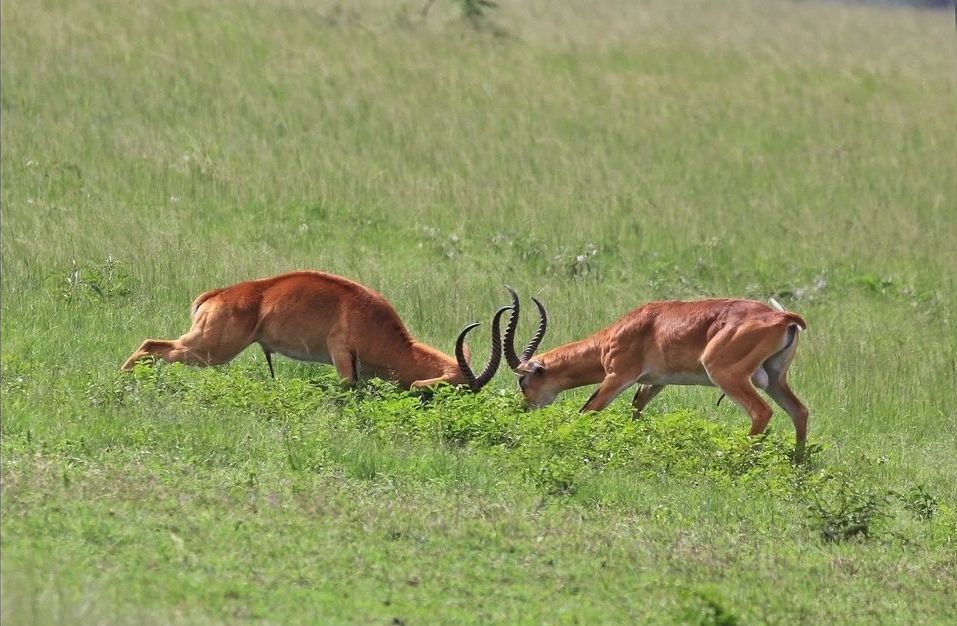
Kobs are an antelope that live across central Africa and travel many miles north to their designated mating ground for this dangerous mating ritual. Males challenge and fight each other by hitting their horns against their opponent and sometimes locking horns. They fight to assert dominance over other males as well as show their strength and overall fitness to the females. The most victorious suitor will stand in the middle of the mating ground for a mate to choose them. To watch two kobs fight for dominance, visit the video using the button below. Animals like Kobs, which include elephant seals, baboons, and even local animals like white-tailed deer, also exhibit physical characteristics that make them stronger when they must fight to demonstrate their genetic fitness to partners. White-tailed deer establish dominance to attract mates by combining their antler-fighting ritual with spreading their scent by scraping their antlers on trees and the ground to expose the bare dirt.
Death
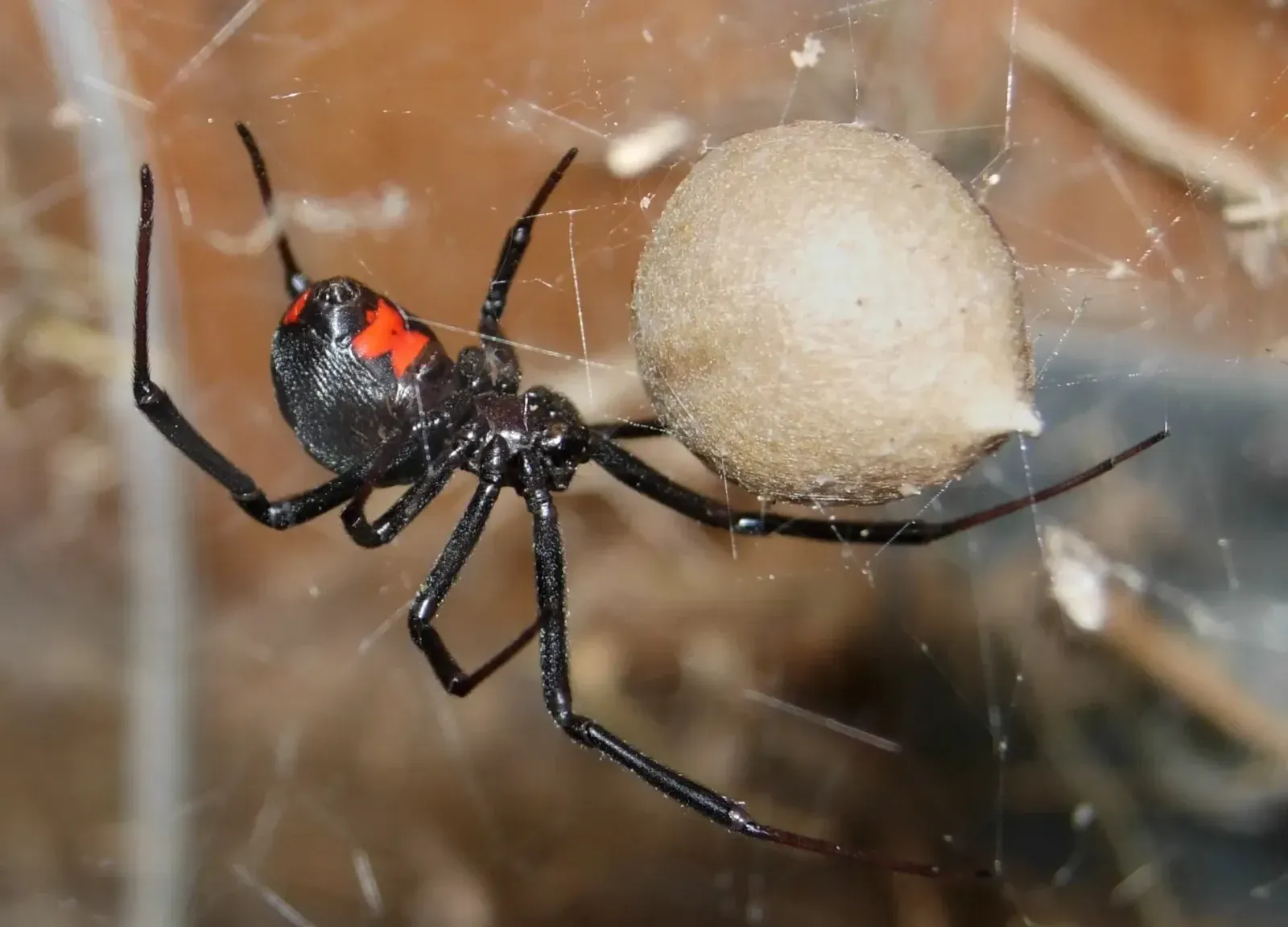
Australian Redback spiders have an odd courtship ceremony that may not be the first one you think of when thinking about love stories, and that's because their ritual can end in death. The ritual starts with a male finding a female spider’s web that gives off pheromones to let spiders in the area know she is ready to find a match. Once found, he performs a courtship web dance that vibrates the web, encapsulates the web with his silk to mask the pheromones, and drums on her abdomen. If this ritual lasts for less than 100 minutes, the female begins consuming the male without becoming a pair. However, if this risky courtship is completed successfully, the male may be able to mate with the female and make it out alive. To witness this ritual, watch the video linked below.
Happy Valentine's Day!
Animals engage in various courtship rituals, ranging from sweet to aggressive. However, they all result in a crucial bond between two individuals of the same species if the process is successful which, in the case of the prairie voles, can last a lifetime. Each of these ceremonies has been carefully perfected over generations and is passed on to the young through instinct, genetics, or taught social behaviors to find connection and love. All of us on the Severson Dells team wish you a lovely Valentine’s Day full of forging connections to others and nature!
Sources
San Diego Natural History Museum - Frog Calls: What Are They Really Saying?
BBC Earth - Frog's Incredible Mating Technique | Earth's Tropical Islands
Scientific American - Monogamous Prairie Voles Reveal the Neurobiology of Love
WWF - 10 facts about Adélie penguins
BBC One Frozen Planet - Criminal Penguins
PBS - A Pufferfish's Masterpiece | Big Pacific: Mysterious
Oceana - Sea Creatures Keep The ‘Love’ Alive with Romantic Gestures
BBC Earth - Sea Otters Hold Hands To Survive The Dangers Of The Open Ocean
Nat Geo Animals - Birds "Moonwalk" to Impress the Ladies | World's Weirdest
BBC Earth - Kob Mating Ritual | The Great Rift: Africa's Wild Heart
National Park Service - White-Tailed Deer Mating
NBC News - Deadly spider requires long courtship — or else
Discovery News - Spider mating is dangerous for some

RECENT ARTICLES