FIELD NOTES BLOG
50 Years of Severson Dells Nature Center
This article has been adapted from it's original publication in "Notes From the Dells" Vol 47 No. 1
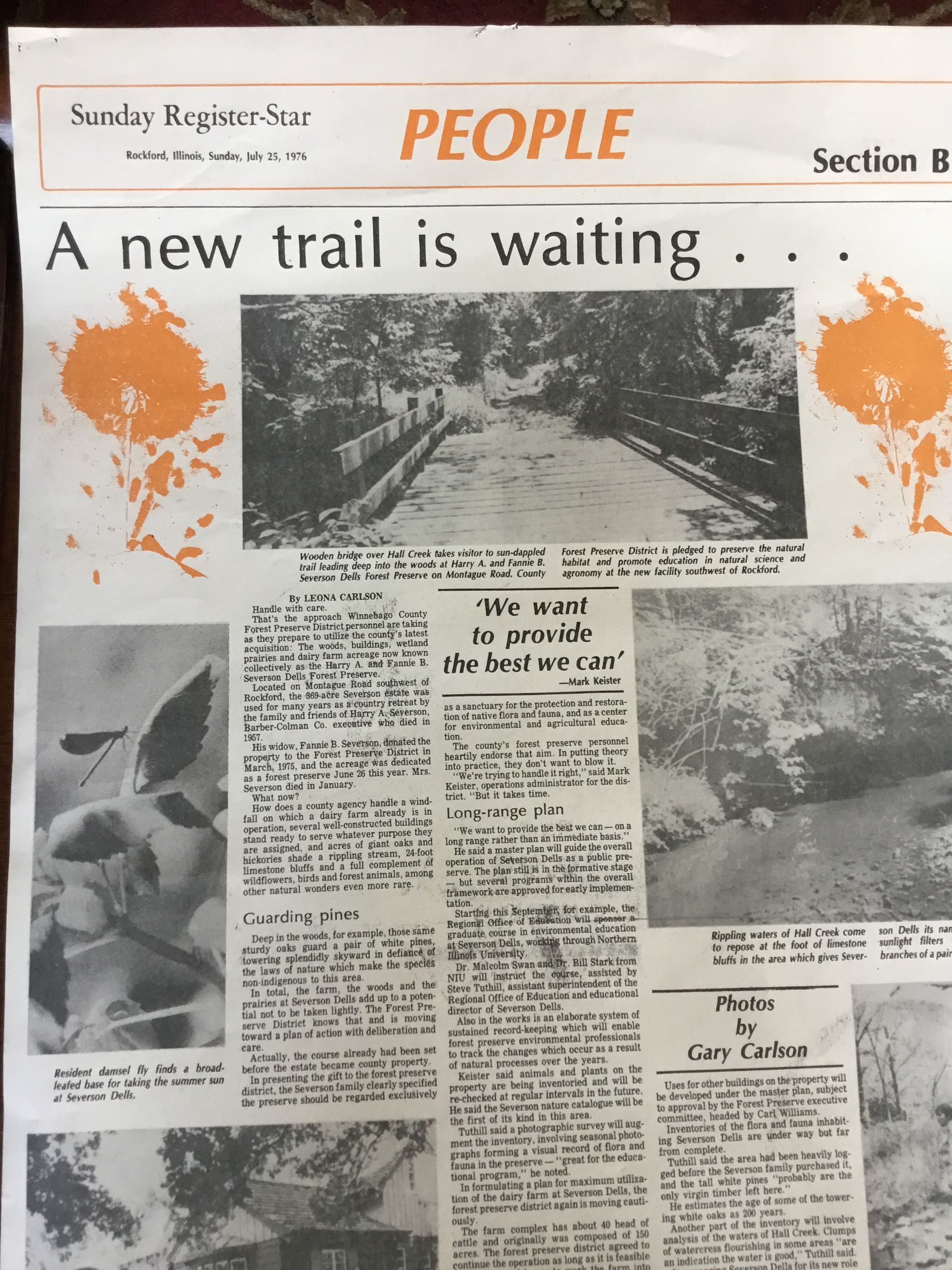
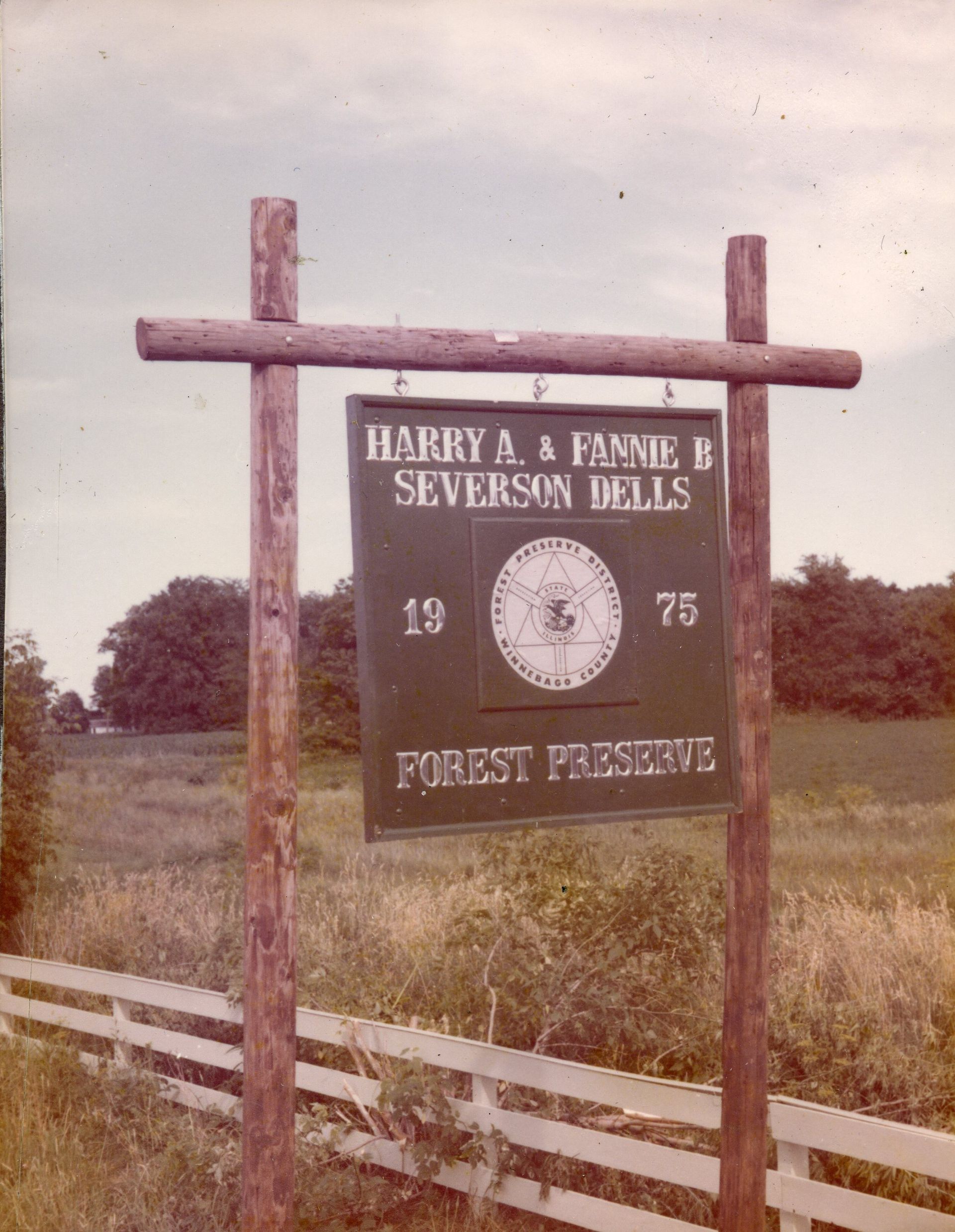
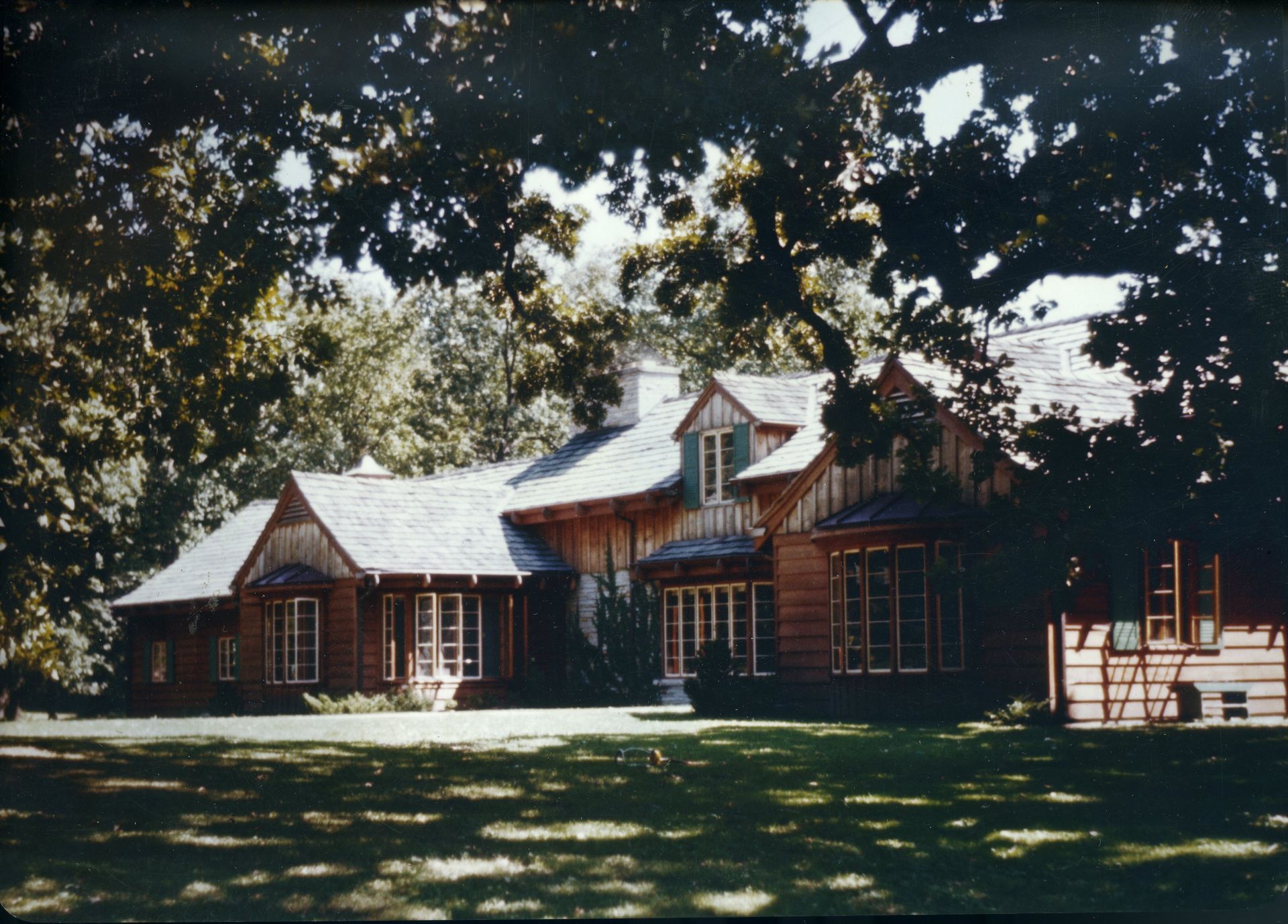
Here. Ten minutes outside the expanding cityscape of Rockford and against the backdrop of midwest prairies and sparse oak savannas is where you’ll find here: an oasis for flourishing biodiversity and opportunity for planting seeds into growing minds. When Fannie Severson donated her 369 acre property and deer lodge to the Forest Preserves of Winnebago County in 1975, she knew just how special here really was. But it was the years that followed that brought life into what here would become.
Over the past 50 years,
here
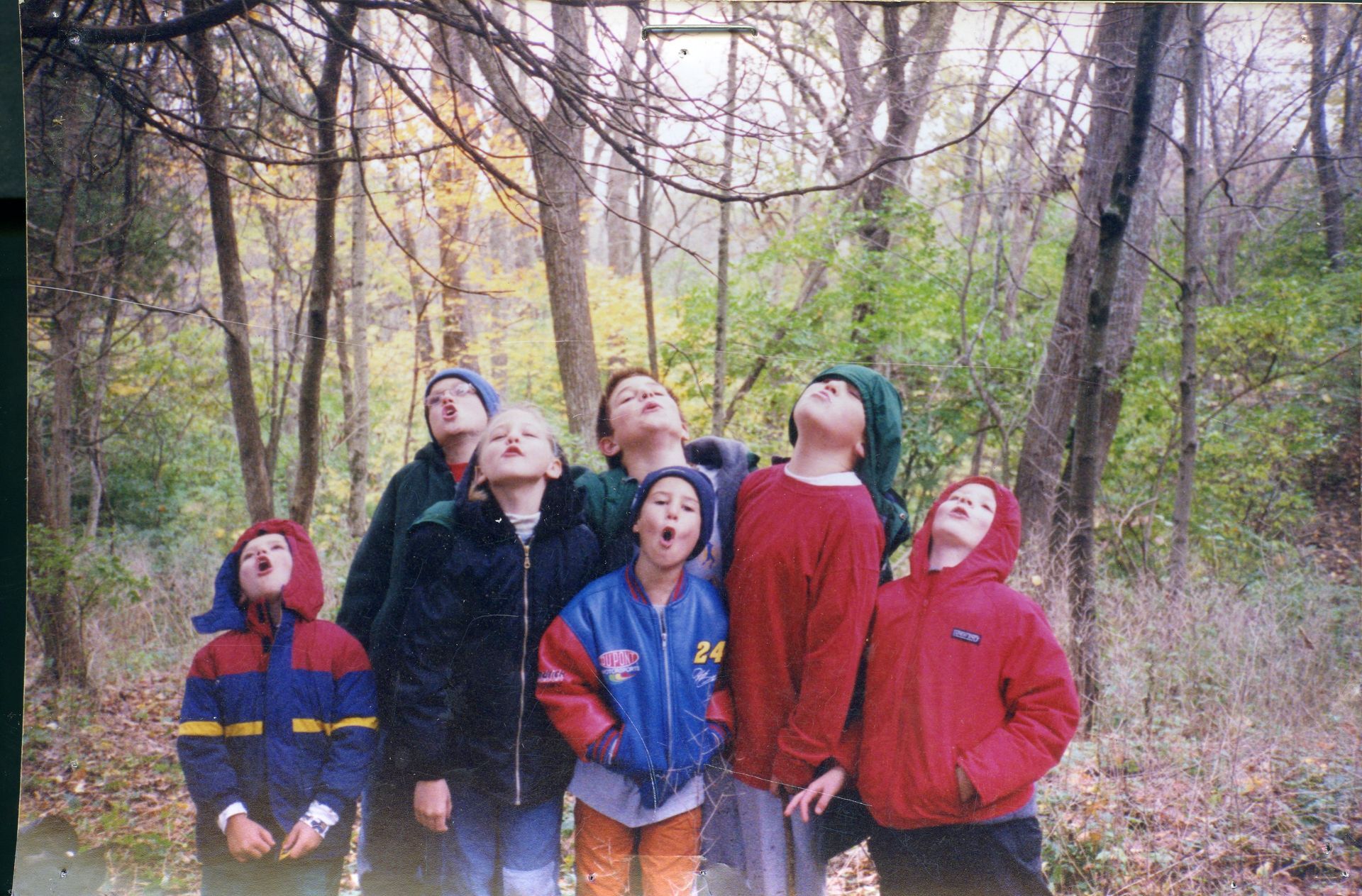
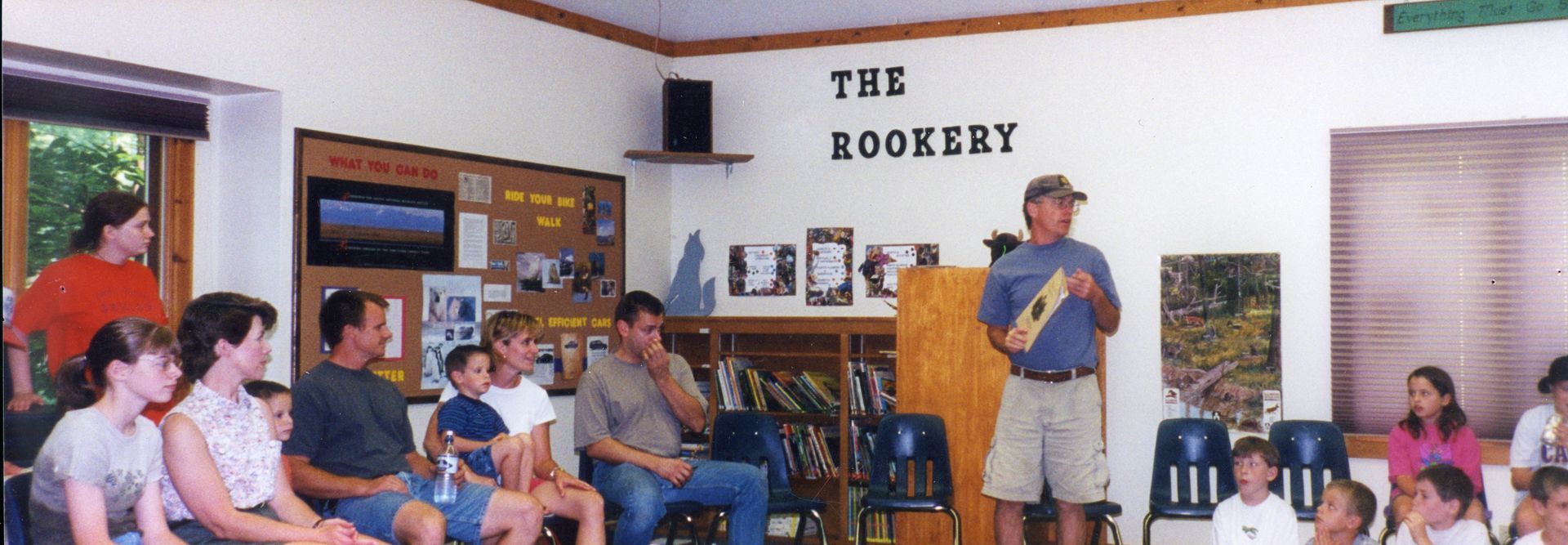
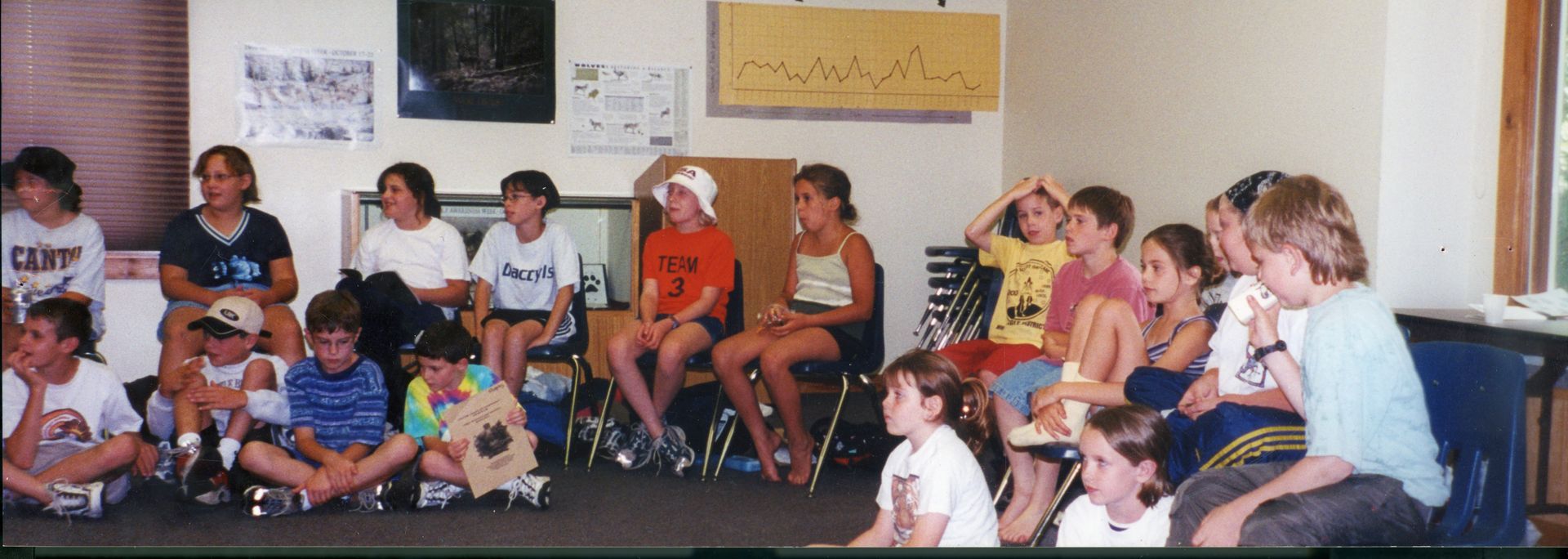
has become equal parts place and community. The vibrant wildflowers have been complimented by laughter of excited children joining us for a field trip. The trees have become friends with eager hikers during Full Moon Hikes. Thousands upon thousands have entered into nature’s classroom and created a community more in tune with the natural world.
Inherently, we are connected to nature. We all coexist and compliment one another in the exchange of energy. It has been our mission to ensure that transfer of energy is a positive one where we can all thrive together. We’re thankful that our community has transferred their energy to Severson Dells and has helped us thrive for the past 50 years.
Take a journey with us back in time. Here are 50 of our favorite moments over the past 50-ish years.
- April 30, 1975. Fannie Severson donated the property now known as Severson Dells Forest Preserves.
- June 26, 1976. Severson Dells Forest Preserves opens to the public.
- 1977. Severson Dells hired their first Naturalist, helping to connect humankind to nature.
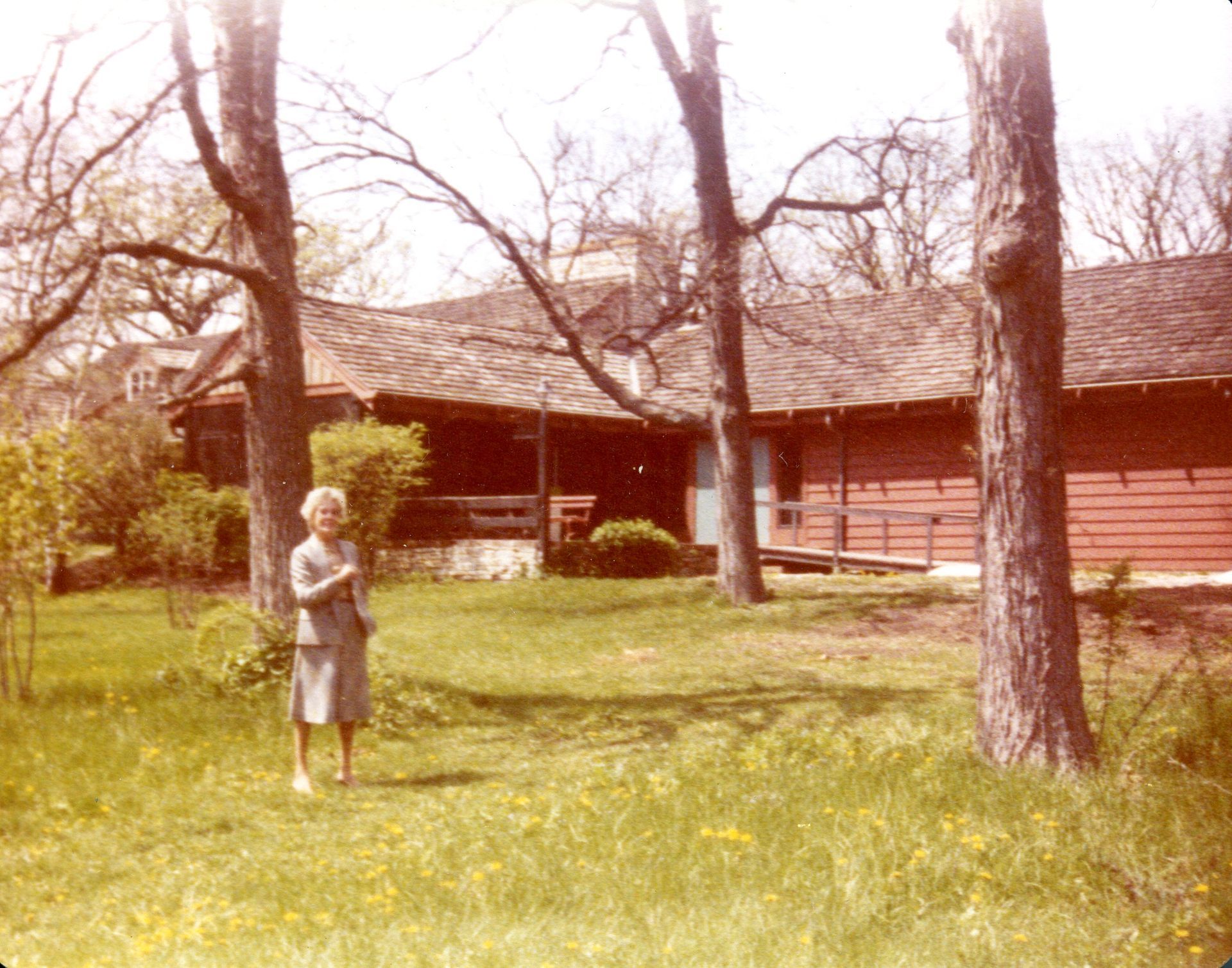
- 1980. The old Deer Lodge, shortly after known as the Education Center, is opened to the public after renovations.
- August 1980. Notes from the Dells newsletter is established by John Alesandrini, Coordinator & Naturalist with Severson Dells.
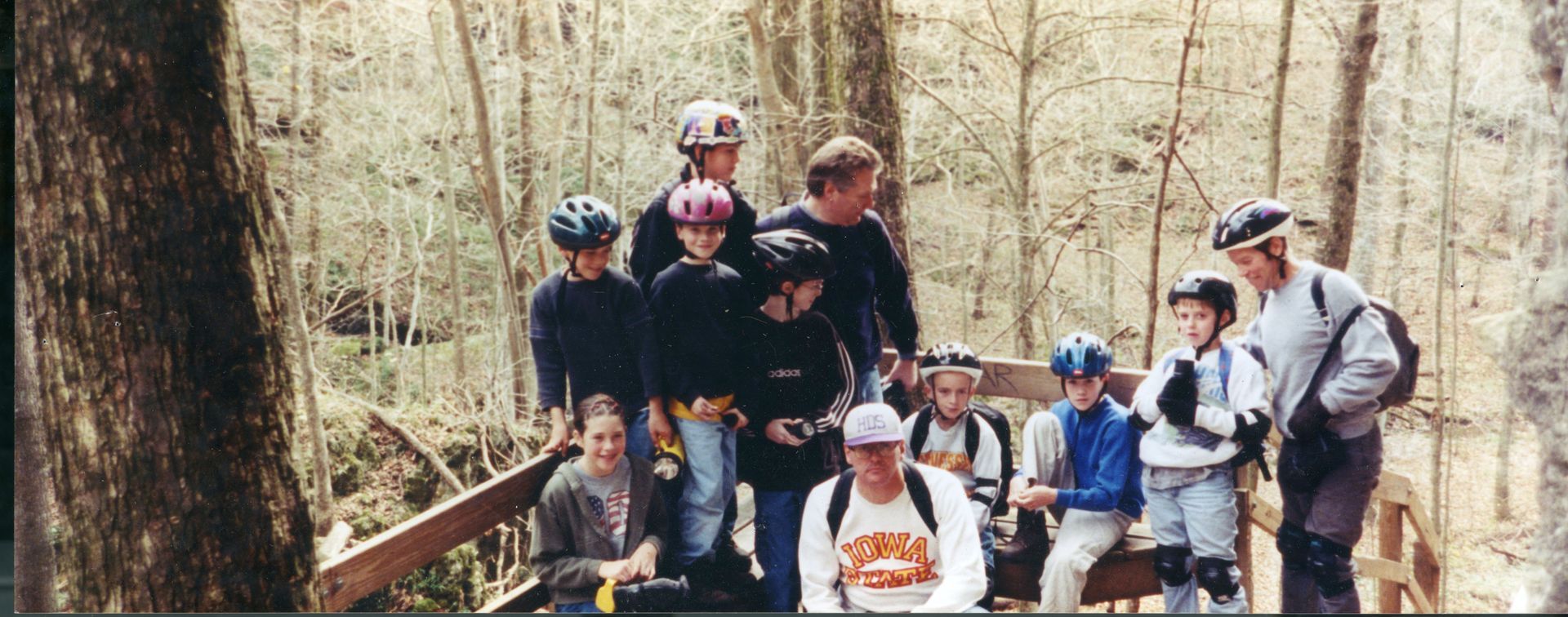
- Beginning in the 1980s. Ranger Rick’s Nature Club is formed as a program for kids introducing them to natural resources and natural areas in north-central Illinois.
- Summer 1981. “Back to the Land” program is established as a mix between workshops and engaging articles aiming to further educate the community on the environment.
- September 11, 1981. The Rockford Chapter of DAR dedicated a plaque at the old Severson Dells farm house indicating that the “Elijah Holt House” is the oldest residence in Winnebago township.
- 1982. Severson Dells begins hosting a Wildlife Art Show highlighting the talent and the nature from our region.
- September 1982. Part of the property is designated as an Illinois State Nature Preserve.
- Fall 1984. Severson Dells developed a new agricultural resources program at the old Severson Dells Dairy Farm, and established a spin-off of Ranger Ricks called Farmer Freds.
- April 26, 1985. John Severson and Jo Severson Haag, children of Harry & Fannie Severson, are awarded the Seth B. Atwood Memorial Park & Conservation Award for their continuation of their parents' dedication to conservation.
- 1986. Severson Dells celebrates 10 years. In a ‘Notes from the Dells’ issue, the Foundation had 3 employees and 35 volunteers helping to bring environmental education to this community.
- 1988. The paved loop trail was completed.
- Spring 1988. The Severson Dells library had a recorded 495 catalogued volumes.
- October 29, 1989. The beginning of the annual Halloween event as ‘Eco-Halloween Hike’, now known as ‘Spook the Dells.’
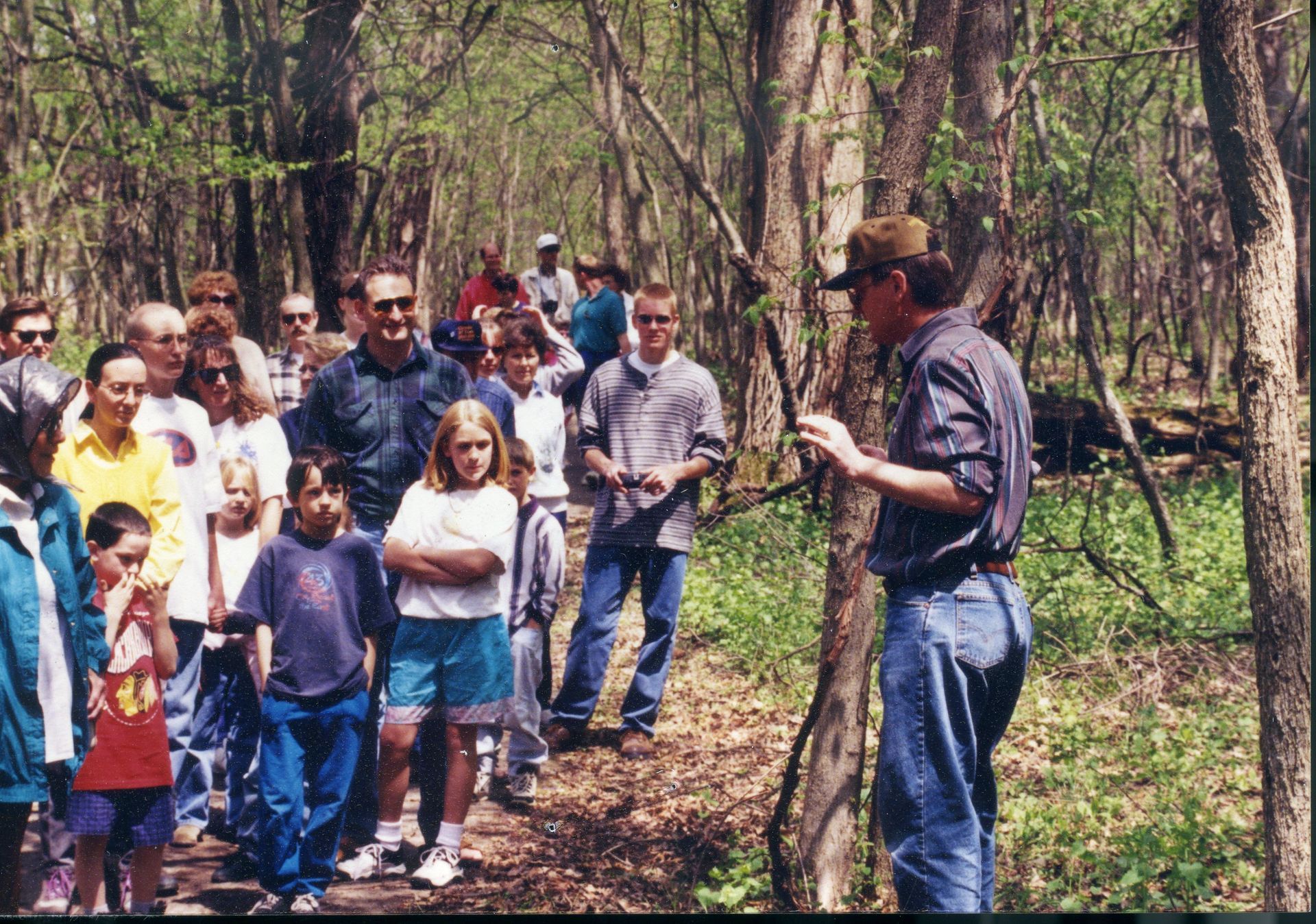
- 1992. Guided school field trips and experiences begun, helping to establish our legacy as the leaders of experiential nature education in Rockford.
- December 7, 1991. An early version of Luminaria is established as ‘Luminary Walk’ and features the description: “Come out and enjoy Severson Dells Forest Preserve’s ⅔ of a mile hard surfaced trail while it is lit up with hundreds of glowing luminaries. After your stroll, warm-up by the fireside, and have some hot chocolate and popcorn. Seasonal music will be provided by The Rock River Friends of Folk Music. An enjoyable evening for people of all ages. No fee!”
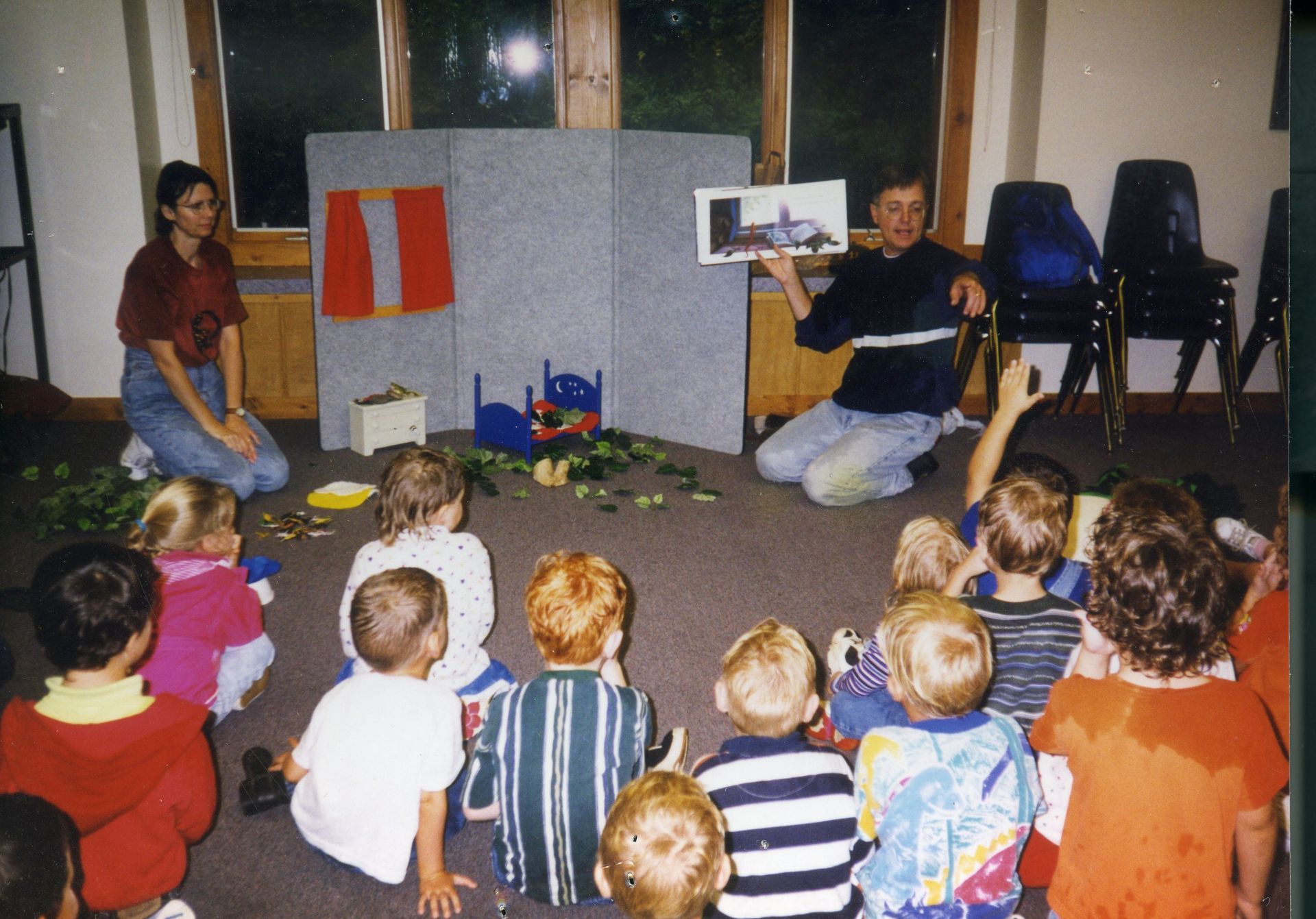
- 1993. An early look into in-school field trips included Sally Salamander, Owl Moon, Treasurers of the Deep, Prairie Promises, The Five R’s, and Whitetails.
- 1994. The classroom space was added to the nature center as an addition.
- 1995. The Severson Dells Education Foundation endowment fund reached $1,000,000 helping to stabilize the organization’s financials.
- June 10, 1995. The butterfly garden is planted including 56 plots. Most of which was planted by generous volunteers.
- 1997. The bird log (now located in the Exhibit Hall at Severson) noted 120 different species of birds.
- Summer 1998. An early record of Severson Dells summer camp was themed ‘The Why, Where, and How of Animals at Severson Dells’
- August 12, 1998. The Perseids meteor shower was gazed upon at ‘Family Star Gazing Night’ at Severson. Now, we offer this program as ‘Pastries & Perseids’!
- October 1998. Don Miller, former coordinator of the nature center, was awarded the Illinois Environmental Educator of the year during the Midwest Environmental Education Conference.
- 2000. School field trip programs begin to include the “Low Waste Lunch” program to help students connect everyday choices to their impact on the environment.
- Spring 2000. Music from the Dells is established to blend nature and the arts.
- Fall 2000. Intern Courtney Clark includes a story with an impactful quote on the power of experiential education: “Learning about wild places, exploring them, and having fun while doing all of this is what leads to a personal understanding of and connectedness to the natural world. You can tell a kid (or an adult) a hundred times that insects are fascinating or wildflowers are beautiful, but unless he sees and experiences these things for himself, he’ll never really know…or care.”
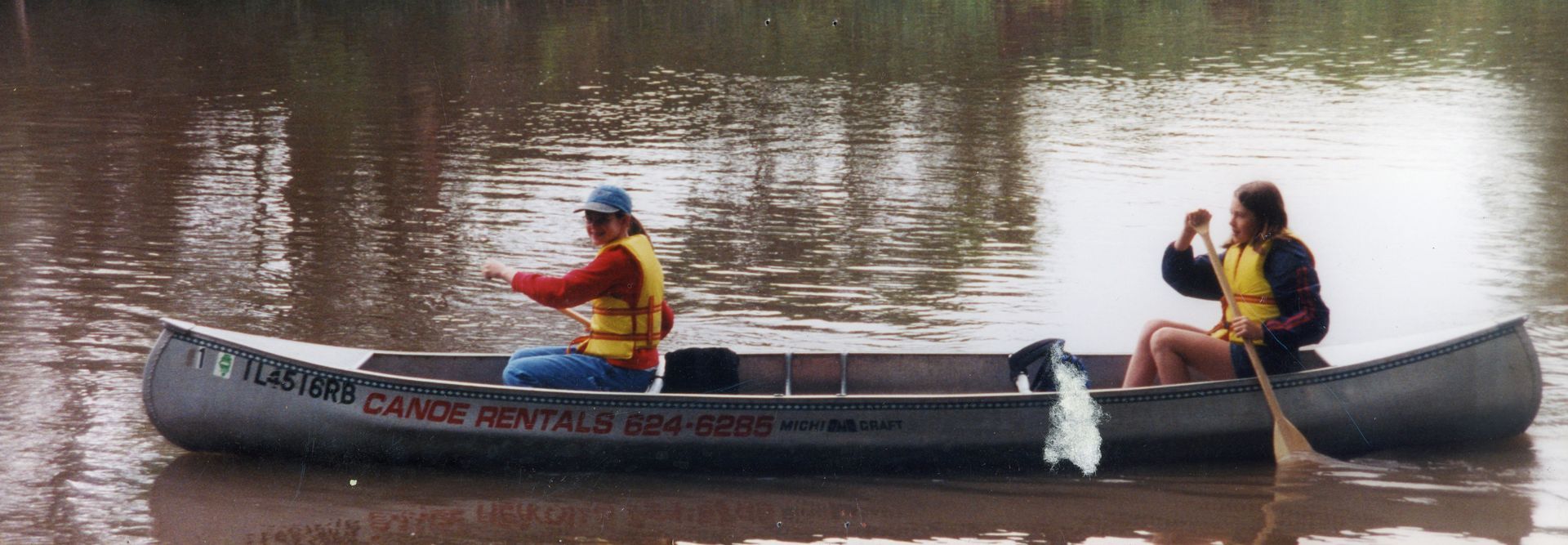
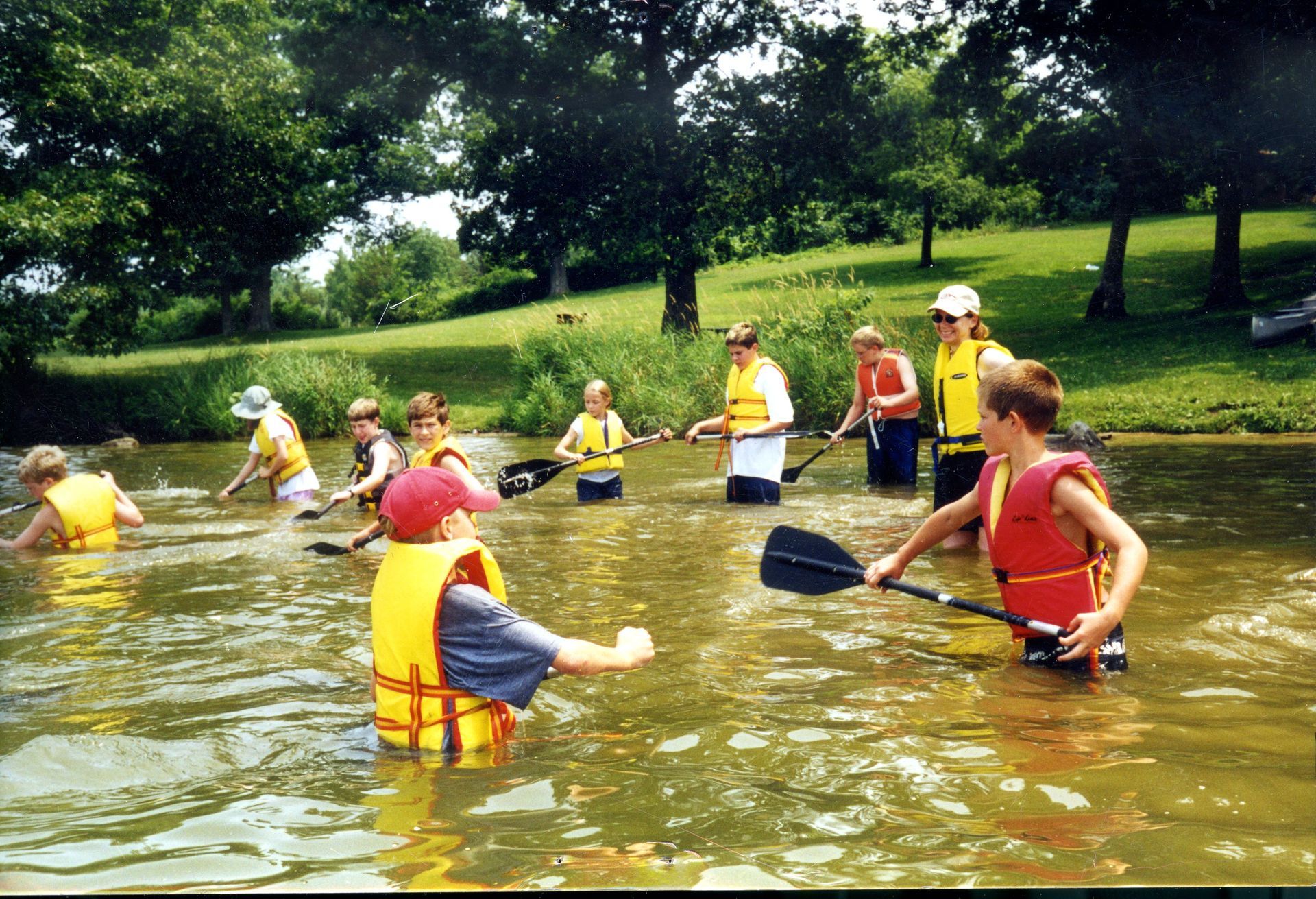
- June 18-22, 2001. Blazing Paddles is offered for the first time. Next year will mark 25 years of connecting youth to nature through waterways.
- March 7, 2002. Severson Dells Education Foundation celebrated the organization’s 25 year anniversary with speaker Bill Walton, former NBA Playoffs MVP from 1977.
- 2005. This Historic Bird Display, now found in the Exhibit Hall, was donated to Severson Dells. If you haven’t seen this display, stop in and see a preserved passenger pigeon, which has been extinct since the beginning of the century.
- October 6-9 2005. The Nature Center hosts The Wonders and Experience of Nature weekend featuring hikes, workshops, and guest authors. Featured was Robin Kimmerer, amongst others.
- June 19-21, 2006. Peek-into-Creek is offered as a three-day camp at Severson Dells and Seward Bluffs. Now, the camp is a 5 day experience for kids in Hall Creek located at Severson Dells.
- November 2006. The 30th Anniversary of Severson Dells was marked with the singing of “Happy Birthday Severson Dells” by Jackson School in Rockford.
- 2009. The patio in front of Severson Dells is installed, including memorial paver bricks.
- 2013. A branding transition is made to utilize the blue and green circle logo with the head and neck of a heron in the shape of an ‘S’.
- Fall 2013. James Marshall begins bringing undergraduate students from Rockford University to Severson Dells to study birds. Dr. Marshall still returns each year with students.
- August 9, 2014. The Grove Nature Playscape is opened to the public.
- 2016. Severson Dells celebrates 40 years with a weekend of hands-on nature activities for all to enjoy.
- 2018. Dance at the Dells began hosting performances, linking nature and dance.
- 2019. Ann Wasser, current Executive Director, is awarded the Outstanding New Leader Award by Association of Nature Center Administrators, helping to continue on Severson Dells’ legacy.
- Fall 2019. Severson Dells begins partnering with the AmeriCorps program to expand staffing capacity and deliver more programs.
- Spring 2020. We joined 1% for the Planet, continuing on our dedication to global environmentalism.
- Spring 2020. Severson Dells began coordinating the Rock River Valley team for City Nature Challenge, helping to further our worldwide impact in nature research.
- September 25, 2021. Severson Dells celebrates 45 years by establishing Golden Hour in the Grove.
- 2023. Severson Dells establishes a partnership with City of Rockford Water Management Division and Four Rivers Sanitation Authority to provide water management education to Rockford students.
- September 20, 2024. Severson Dells Education Foundation purchases the former Elliot Golf Course.
- Spring 2025. The Rich Toppe Memorial Scholarship program was created to help students and children attend field trips and camp programs at Severson Dells.
- Summer 2026. As Severson Dells Nature Center celebrates its 50th year of providing nature education across our community, we are excited to announce our new name. Beginning July 1st, 2026, the name Wild Roots Nature Center will define our mission of inspiring stewardship and conservation of our natural world and connecting people to place. This new name will be used to identify our work on both sides of Winnebago County and serves as a symbol of our growth and success for the next 50 years and counting.
We hope that in these next 50 years (and many more) that you’ll join us
here. This community has brought vibrancy to the original vision Fannie Severson included in her donation: to establish land preservation and establish nature education. I do not think she would be disappointed.
RECENT ARTICLES